Hengshan Hanging Temple: History, Facts, and Travel Guide

Hengshan Hanging Temple


Latest Update on April 20, 2026:

Please note that Hengshan Mountain and the Hanging Temple will remain temporarily closed from April 21 to April 30, 2026.

According to the official notice, the closure has been extended to ensure visitor safety and to address potential rockfall and other mountain safety risks.

If you were planning to visit during this period, it is best to adjust your itinerary in advance. We understand this may affect travel plans and sincerely appreciate your understanding.

Experience the Awe-Inspiring Hengshan Hanging Temple

Clinging to the side of Cuiping Peak near Jinlong Gorge, the Hanging Temple in Hengshan is an awe-inspiring sight! Here’s what makes it so special:

  • Jaw-Dropping Location: Located 56km from Datong, this temple is perched on a cliff in Shanxi’s Hengshan mountain range—one of the most stunning natural backdrops you’ll ever see.
  • Unique Name & Origins: Originally called Xuankong Pavilion, the name combines Taoism’s “Xuan” and Buddhism’s “Kong”, later renamed to “Hanging Temple” for its seemingly suspended position.
  • Play on Words: The name’s clever twist—”Xuan” (玄) and “Xuan” (悬)—sound the same in Chinese, adding a layer of cultural depth to this temple’s identity.
Hengshan Hanging Temple


Hanging Temple History

The Hanging Temple isn’t just an architectural wonder—it’s a historic gem that’s withstood the test of time for over 1,500 years! Here’s why it’s a must-see on your adventure:

  • Ancient Origins: Built in 491 AD during the Northern Wei Dynasty, the Hanging Temple blends Buddhism, Taoism, and Confucianism in one incredible place.
  • Daring Location: Perched on a cliff, it’s said to be “halfway to the sky, held up by three horsehair ropes.” This jaw-dropping position makes it one of the most breathtaking temples in the world.
  • Global Recognition: Named one of the top ten most endangered buildings by Time magazine in 2010, the Hanging Temple is an essential site to visit before it’s too late.

Pro Tip: This living piece of history is both awe-inspiring and fragile, so don’t miss your chance to explore it firsthand!

Hengshan Hanging Temple


Architectural Layout

The Hanging Temple has a cool “one courtyard, two pavilions” layout. It stretches about 32 meters long and has 40 rooms, pavilions, and halls.

The highest point is the Three Religions Hall, which is more than 50 meters above the valley floor—wow!

The Hanging Temple is a marvel of ancient engineering, perched on a cliffside like something out of a fantasy. Let’s dive into what makes this place so special and why it’s stood the test of time.

Master Builder Shout-Out

  • Check out the inscription on the cliff that reads “Gongshu Tianqiao.”
  • This tribute praises the temple’s builders, comparing them to the legendary craftsman Lu Ban, also known as Gongshu.
  • Their craftsmanship is celebrated for its brilliance and skill.
Hengshan Hanging Temple


Thrilling Walkway Adventure

  • Don’t miss the aerial walkway that links the south and north pavilions.
  • This walkway, with its wooden top and stone base, perfectly captures the essence of the temple’s “hanging” design.
  • As you walk, look up to see the carvings of the three Buddhas—Dharmakaya, Sambhogakaya, and Nirmanakaya.
  • These carvings are some of the oldest and most treasured sculptures in the temple.

Nature’s Protection

  • The temple’s design takes full advantage of the cliff’s natural shape.
  • Overhanging rocks provide a natural shield, while the stone walls on the sides guard against the elements.
  • This smart construction keeps the temple safe from rain and wind damage, preserving it for centuries.

Built to Last

  • The Hanging Temple is held together with wooden joints called mortise and tenon, rather than relying on pillars.
  • Horizontal beams are embedded deep into the rock wall, creating a strong frame that’s kept the temple standing for over a thousand years.
  • This clever design is the secret to its incredible endurance, making it a true wonder of the ancient world.
Hengshan Hanging Temple


What to See

The Hanging Temple is full of fascinating details that make it a must-see destination. Here’s a quick guide to some of its most intriguing features, packed with practical advice for your visit.

Sunlight Shield

  • The temple gets less than three hours of sunlight a day.
  • This limited exposure helps protect it from weathering.
  • It’s a testament to the careful planning of the ancient builders, who designed it with preservation in mind.

Religious Statues

  • In the Three Religions Hall, you’ll find statues of Sakyamuni, Confucius, and Laozi.
  • This is a rare sight in Chinese temples, where these three religious figures are honored together.
  • It’s a powerful symbol of harmony among different beliefs.
Hengshan Hanging Temple


Hall Treasures

  • The Mahavira Hall houses three statues from the Ming Dynasty.
  • These statues were created using a special dry lacquer technique.
  • They are considered true treasures of the temple and a highlight of any visit.

Clay Sculptures

  • The Three Officials Hall is the largest in the temple.
  • It’s filled with precious clay sculptures from the Ming Dynasty.
  • These artworks are a must-see for anyone interested in historical art.

Highest Hall

  • The Thunder Sound Hall is the highest point in the temple.
  • Inside, you’ll find impressive clay sculptures, reliefs, and paintings.
  • The hall is dedicated to Sakyamuni and is worth exploring.
Hengshan Hanging Temple


Beautiful Sculptures

  • In the Three Saints Hall, you’ll discover colorful sculptures of Guanyin, Heavenly Maidens, and Wei Tuo.
  • These are some of the most beautiful divine statues in all of China.
  • The vibrant colors and intricate details make them a highlight of the temple.

Lotus Stairs

  • The wooden stairs of the Hanging Temple are decorated with lotus patterns.
  • These patterns symbolize “step by step to the lotus, auspicious and as you wish.”
  • They add a special, meaningful touch to the ancient temple experience.

Historic Stele

  • Don’t miss the stele embedded in the south wall of the temple’s gate.
  • It’s titled “Record of the Reconstruction of the Hanging Temple Gate.”
  • This stele provides a detailed account of the gate’s history and is a valuable piece of research.
  • It’s a fascinating glimpse into the temple’s past and the efforts to preserve it for future generations.
Hengshan Hanging Temple


Visiting Hours

Get ready for an exciting adventure at the Hanging Temple, open from 8:00 AM to 6:00 PM!

Whether you’re a morning bird or an afternoon explorer, we’ve got tips to make your visit unforgettable.

  • Early Bird Advantage: The gates open at 8:00 AM, and that’s the perfect time to visit. Enjoy the best lighting for photos and beat the crowds.
  • Flexible Timing: Can’t make it in the morning? No worries! Consider visiting around noon or at 4:00 PM for a quieter experience.
  • Holiday Planning: Remember, holidays mean more visitors. Arrive early to dodge the long lines and start your adventure without delay.

Tickets

Whether you want a glimpse from afar or an up-close experience, here’s everything you need to know to plan your visit.

  • Entrance Ticket – 15 RMB. This ticket grants access to the scenic area for a distant view of the Hanging Temple. Book up to 7 days in advance, with tickets released at 7:30 AM daily, or simply buy it on the spot.
  • Temple Entry Ticket – 100 RMB. Ready to step inside the temple? This is your ticket to an unforgettable experience! The temple’s limited space allows only a small number of visitors each day, making this ticket highly sought after. Reserve your ticket 2 days in advance, with releases at 7:30 AM daily.
  • Last-Minute Opportunity. Did you miss out online? No problem! Try your luck in person; you might just snag one of the 80 daily spots available for an inside visit.
Hengshan Hanging Temple


Best Time to Visit: May to October!

Shanxi’s weather is perfect for outdoor adventures, making it the ideal time to explore! Here’s why:

  • Perfect Climate: Enjoy warm, comfortable weather ideal for outdoor sightseeing and walks.
  • Stunning Photos: Clear skies and vibrant colors create the best conditions for photography at the Hanging Temple.
  • Stay Protected: Pack sunscreen, sunglasses, and a hat to keep cool while soaking in the history and views.

Pack your bags and prepare for a vibrant journey filled with history and breathtaking sights at the Hanging Temple!

Hengshan Hanging Temple


How to get to Hanging Temple from Datong

Discover the best ways to journey from Datong to the iconic Hanging Temple, ensuring a smooth and memorable trip to this architectural marvel.

Hop on the Bus:
  1. Start Early with Hunyuan 901-1: Grab a ticket for just 15 RMB and head out early! Summer days are busy, so catch your ride from the main station to snag a seat. It’s a wallet-friendly option, though the main station is a bit of a trek. The bus leaves at 6:00 AM and gets you to Hunyuan Bus Station in about 1 hour and 40 minutes.
  2. Convenient Taxi Rides: Once you arrive, taxis are ready and waiting, costing only about 10 RMB per person. They’re super handy and will find you as soon as you step off the bus.
  3. Smart Tip: Save your phone number for a hassle-free ride back to the bus station after your temple adventure!
Zoom Direct with the Tourist Bus:

Hop on the Direct Tourist Bus for a quick and affordable trip to the Yungang Grottoes! Here’s why it’s the best choice:

  • Easy Pick-Up: Catch the bus at Yangmen Square, East Gate of Datong Ancient City. It’s easy to spot and leaves at 7:30 AM sharp!
  • Affordable Ride: For just 39 RMB, you get a round-trip ticket to one of the area’s top attractions.
  • Fast & Convenient: In just 90 minutes, you’ll be dropped off at the Hanging Temple’s second parking lot, ready to explore with a quick stroll to the temple gates.

Pro Tip: It’s an affordable and stress-free way to start your adventure!

Hiring a Personal Driver

Hiring a personal driver is the perfect way to make the most of your trip! Here’s why:

  • Affordable & Flexible: Enjoy a customized itinerary that suits your pace without breaking the bank.
  • Stress-Free Travel: Skip the hassle of public transport and enjoy direct, comfortable access to all the top sites.
  • Maximize Your Day: With a personal driver, you can fit in more temple visits and truly explore the Yungang Grottoes at your own leisure.

Pro Tip: This is the best way to make your trip both relaxing and adventurous!

Hengshan Hanging Temple


Nearby Attractions

Explore the rich tapestry of culture and history with these captivating attractions near the Hanging Temple, perfect for enhancing your visit to this historic region.

  1. Yungang Grottoes – Marvel at these ancient Buddhist temple grottoes, featuring intricate statues and carvings that date back to the 5th and 6th centuries.
  2. Datong City Wall – Explore the historic fortifications of Datong, offering scenic views and a glimpse into the city’s past.
  3. Shanhua Monastery – Visit this well-preserved Buddhist temple complex from the Tang Dynasty, known for its ancient architecture and tranquil gardens.
  4. Nine Dragon Screen – Don’t miss this stunning glazed tile screen in Datong, one of the largest and oldest in China, depicting vibrant dragons.
  5. Huayan Temple – This temple complex consists of upper and lower sections, featuring impressive statues and a grand hall filled with ancient Buddhist texts.
  6. Wooden Pagoda in Ying County – Take a short drive to see the oldest fully wooden pagoda in China, known for its architectural beauty and historical significance.

These attractions provide a rich tapestry of cultural, historical, and architectural experiences near the Hanging Temple.

Hengshan Hanging Temple


Top Hotels to Stay in Datong

Why Choose the Old City? Stay in the old city of Datong for ultimate convenience and proximity to major attractions. Opt for accommodations on major streets like Yongtai Street for better taxi access and easier luggage management. Note that moving through pedestrian zones with heavy bags might be challenging.

Top-End Accommodation:  

Datong Yungang Hotel –Indulge in the epitome of luxury at Datong Yungang Hotel. This hotel epitomizes elegance and comfort, providing an ideal sanctuary to unwind after exploring the city. Each evening promises a blissful escape to a personal paradise. (500RMB-800RMB/night)

Mid-Range Choices:
  1. Pipa Old Inn – Experience a seamless blend of old-world charm and contemporary flair at this inn, located in the vibrant heart of the city. A stay here offers a unique, immersive experience. (300RMB-500RMB/night)
  2. Hanting Hotel (Datong Railway Station Ancient City Wuding) – Perfectly situated for both leisure and convenience, this hotel combines modern amenities with Datong’s historic charm. (250RMB-500RMB/night)
  3. Datong Dongxin Plaza Atour Hotel – Stylish and well-placed, this hotel ensures a comfortable stay with easy access to the city’s main attractions, adding a dash of luxury to your visit. (300RMB-500RMB/night)
Economical Options:
  1. Fangtang Hotel (Fangte store of Datong South Railway Station) – This budget-friendly hotel is centrally located, ideal for longer stays with all essential amenities at your fingertips. (200RMB-250RMB/night)250RMB/night)
  2. Zhifang Gucheng Li Siheyuan Hotel (Gulou East Street, Gucheng Wall, Datong) – Step into the local culture of Datong affordably. This snug, inviting hotel is right where all the action happens. (150RMB-250RMB/night)

FAQs

Q: Why was the Hanging Temple built?

A: The Hanging Temple was built to serve as a place of worship and meditation, combining elements of Buddhism, Taoism, and Confucianism.

Its unique location on the cliffside was chosen for its seclusion, providing a peaceful environment away from the distractions of the world below.

Q: Where is the Hanging Temple?

A: The Hanging Temple is located on the side of Cuiping Peak, next to Jinlong Gorge in Hengshan, Hunyuan County, Datong City, Shanxi Province, China. It’s about 56 kilometers away from the city of Datong.

Q: Who built the Hanging Temple?

A: The Hanging Temple was originally built during the late Northern Wei Dynasty in 491 AD.

While the specific individuals responsible for its construction remain unknown, it is believed to have been built by monks and skilled craftsmen who sought to create a sacred space in harmony with nature.

Q: What religions are in the Hanging Temple?

A: The Hanging Temple is unique in that it incorporates three major Chinese religions: Buddhism, Taoism, and Confucianism.

Statues and symbols from all three religions can be found within the temple, reflecting a harmonious blend of spiritual traditions.

Q:  What is the Chinese name for the Hanging Temple?

A: The Chinese name for the Hanging Temple is “Xuankong Si” (悬空寺). The name reflects the temple’s dramatic location, as “Xuankong” means “hanging in the air” and “Si” means “temple.”

Best Shanxi Attractions

If you’re arranging a trip to Shanxi province, these articles on city activities and sights might prove useful for your visit:


Journey to Gubei Water Town: Easy Beijing Bus Tips

The Ultimate Guide to Reaching Gubei Water Town from Beijing by Public Transport

The Ultimate Guide to Reaching Gubei Water Town from Beijing by Public Transport
Beijing to Gubei: Uncover the Hidden Commute!

Greetings, adventure seekers!

Ready for a fun trip to Gubei Water Town?

It’s a cool place only 120 kilometers from Beijing in the Miyun District.

Getting there is easy, with lots of travel choices to help you out.

Our blog post is like your friendly travel buddy, giving you all the tips and tricks for a smooth ride using public transport.

You’ll have no trouble finding your way.

So, let’s go discover all the awesome things in Gubei Water Town.

It’s going to be an amazing journey you won’t forget!

The Ultimate Guide to Reaching Gubei Water Town from Beijing by Public Transport

Gubei Water Town Map

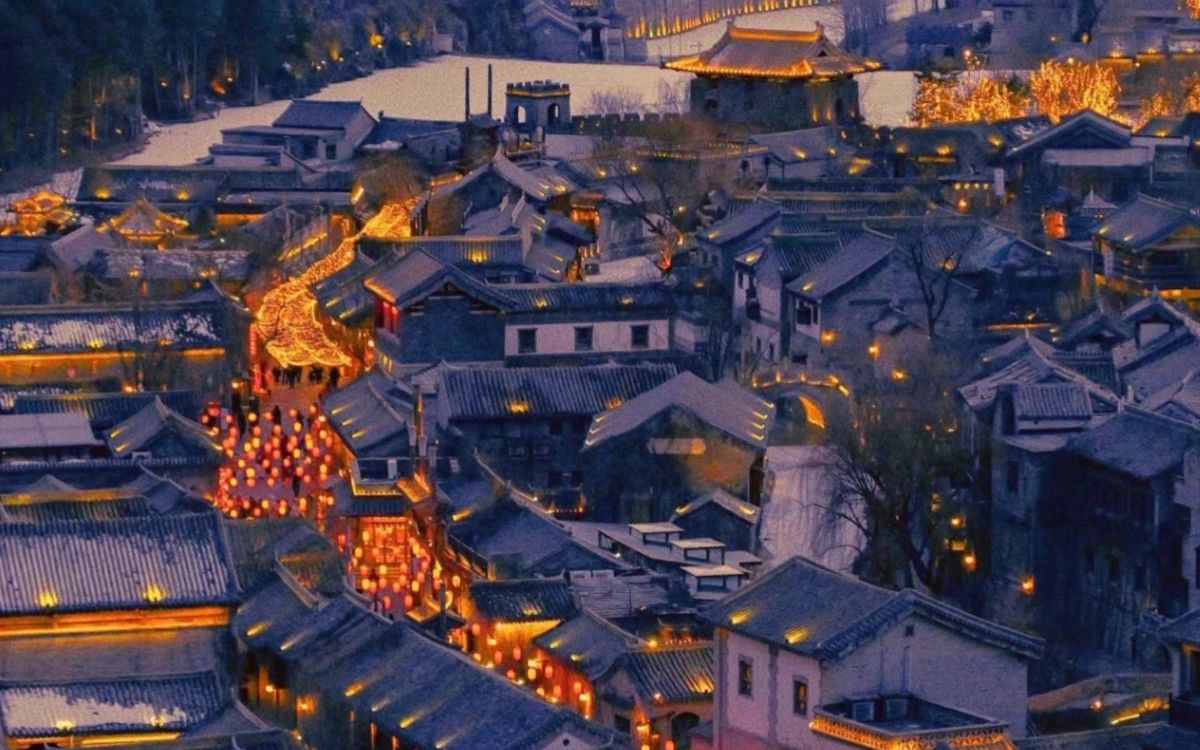
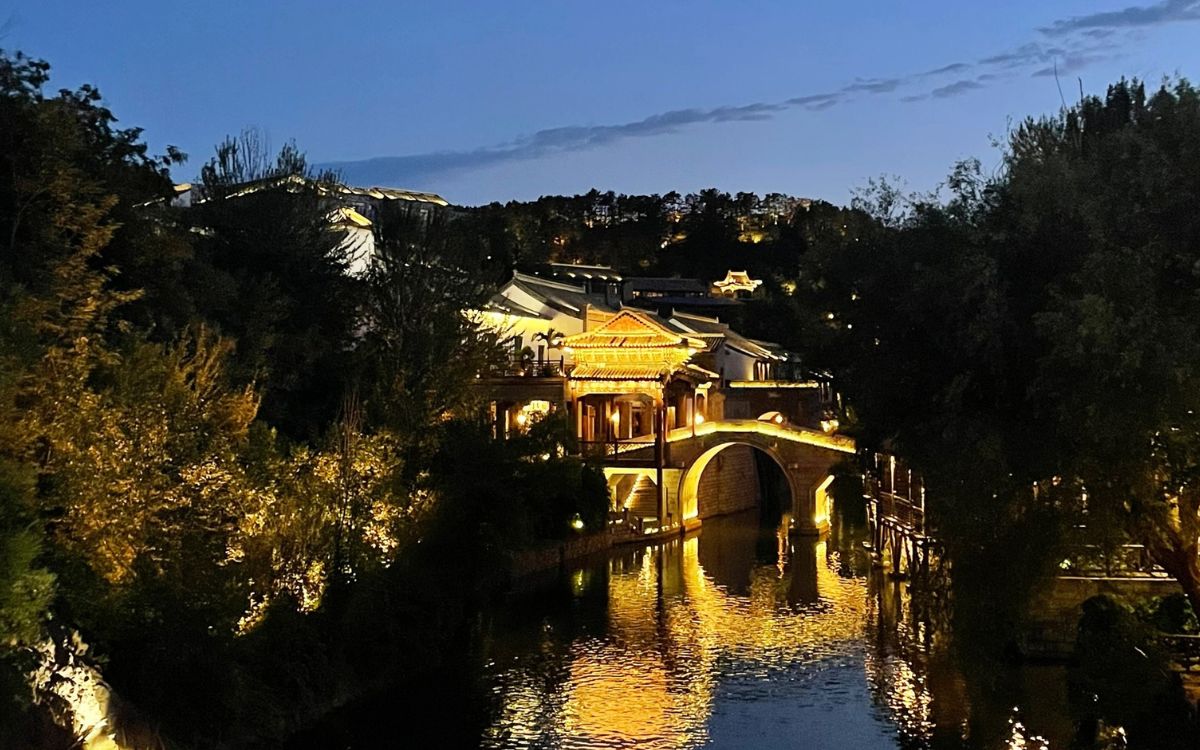
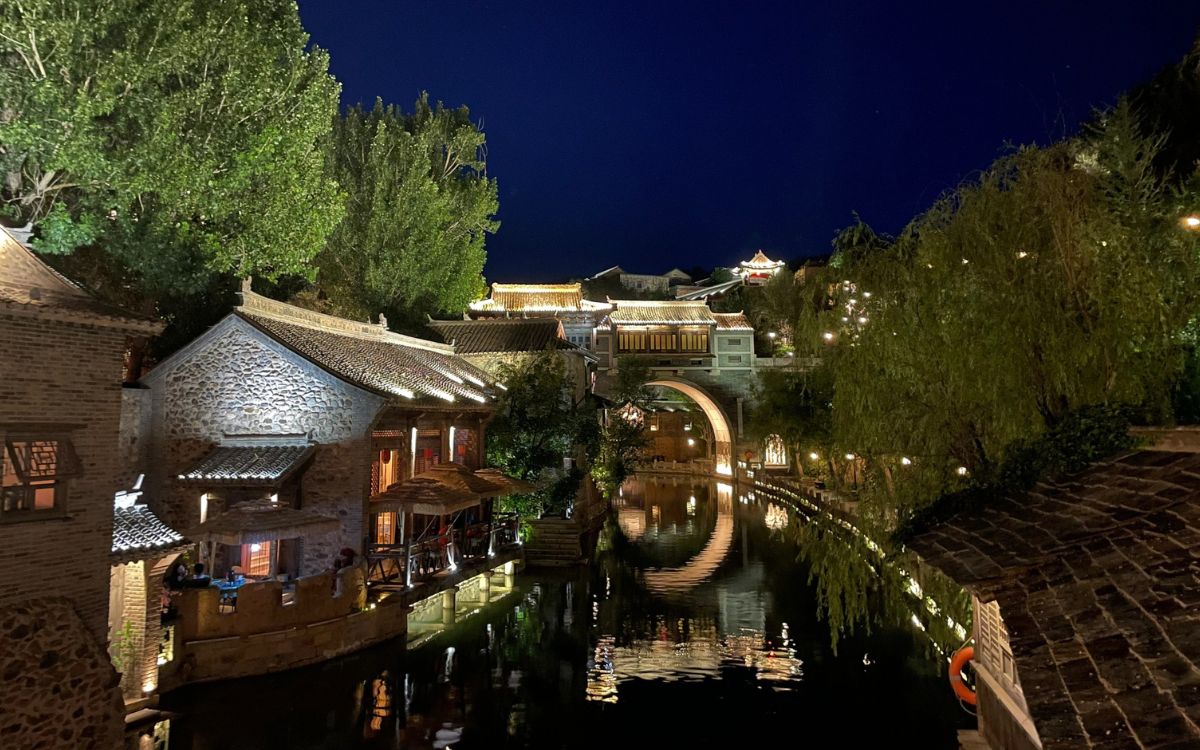
Discover the charm of Gubei Water Town, a picturesque village nestled at the foot of the Simatai Great Wall.

Use this map to explore ancient streets, peaceful canals, and cultural landmarks with ease.

Gubei water town tourist Map


Getting to Gubei Water Town from Beijing Made Easy

This picturesque town spans across 9 square kilometers and was newly constructed in 2010.

Prepare to be enthralled by the meticulously planned “Six Quarters and Three Valleys” concept, encompassing distinct areas such as

  • the Old Camp Quarter,
  • Republican Street Quarter,
  • Water Street Cultural Quarter,
  • Wolongbao Folk Culture Quarter,
  • Tanghe Ancient Village Quarter,
  • and Homestay Dining Quarter.

As you wander through this idyllic landscape, you’ll encounter 430,000 square meters of Ming and Qing Dynasty-style, as well as Republican-style, mountain courtyard buildings.

With 7 theme hotels, 10 boutique hotels, 28 cozy homestays, over 30 independent restaurants, and more than 50 delightful shops, you’ll find yourself spoilt for choice.

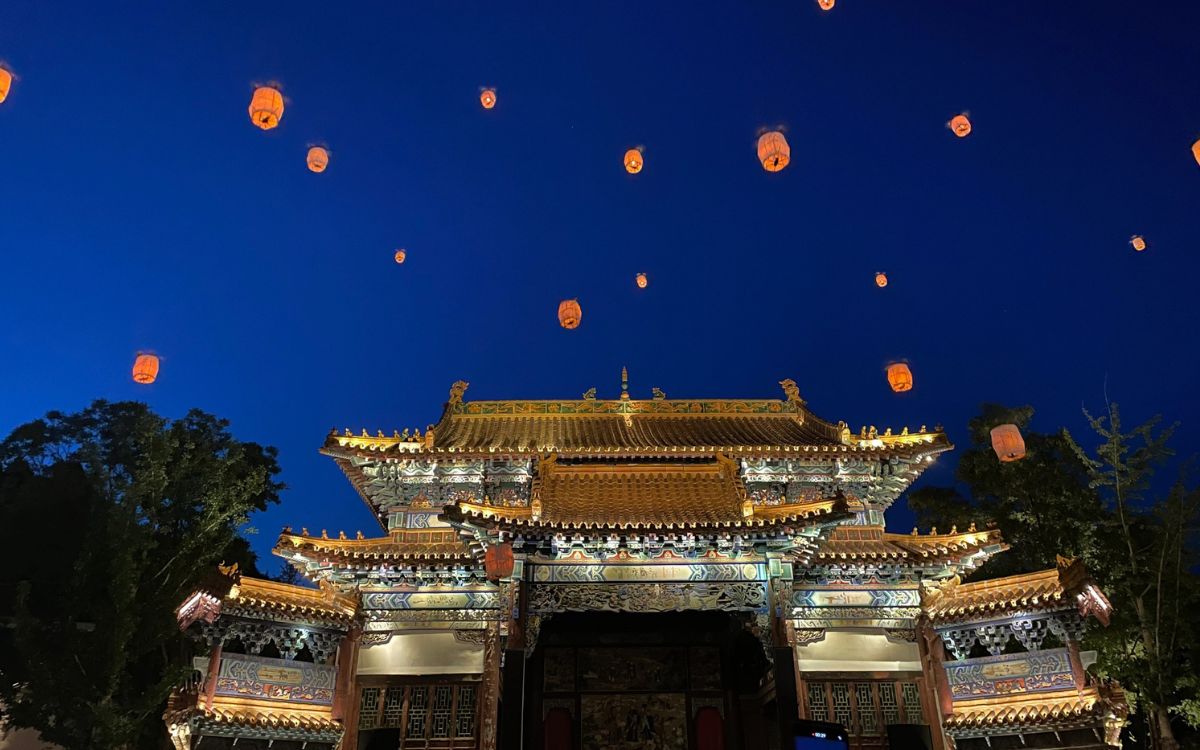
Immerse yourself in the rich cultural tapestry through traditional performances, workshops, and culinary delights, all while being surrounded by breathtaking ancient architecture, stone-paved streets, and serene waterways.

Make sure to explore the magnificent Simatai Great Wall nearby, and get ready for an unforgettable journey into the wonders of Gubei Water Town.

The Ultimate Guide to Reaching Gubei Water Town from Beijing by Public Transport

Bus Schedule & Fare to Gubei Water Town

Planning a trip to Gubei Water Town?

Here’s the schedule and fare information for the convenient tourist shuttle service departing from Dongzhimen Outer Bus Station:

Category Details
Schedule Departure: Daily at 9:00 AM and 1:00 PM from Dongzhimen Outer Bus Station.
  Return: Daily at 12:00 PM and 5:00 PM from Gubei Water Town (Parking Lot No. 2).
Bus Fare One-way ticket: 48 RMB per person.
  Does not include entrance tickets or additional fees.
Payment Methods – Cash (on-site only)
  – Beijing Yikatong Card
  – Mobile Beijing Yikatong App (WeChat Pay, Alipay)
  Tickets: Can be purchased on-site or reserved in advance via WeChat mini-program (recommended).
Travel Duration Approx. 2 hours (direct, high-speed service).
Schedule Adjustments Shuttle schedules may change due to seasonal weather. Check for updates before traveling.
Contact Information Phone: 010-81009999 (Gubei Water Town).
The Ultimate Guide to Reaching Gubei Water Town from Beijing by Public Transport

The Ultimate Guide to Reaching Gubei Water Town from Beijing by Public Transport

Booking Your Bus via WeChat

Step Action
1 Open your WeChat app.
2 In the search bar, type “旅服优选” to find the mini-program.
3 Select the mini-program from the search results.
4 Choose “市区至古北水镇单程直通车”.
5 Click on “立即购买” (Buy Now).
6 Select your desired date and indicate the number of guests.
7 Click “下一步” (Next Step).
8 Fill in your personal information as required.
9 Proceed to make the payment through your preferred method.

Finding the Bus Stop for Gubei Water Town

Indulge in a hassle-free journey as you step onto the tourist bus, specially designed to cater to visitors embarking on an unforgettable adventure to Gubei Water Town from Dongzhimen Outer Bus Station.

How to Get to Jinshanling Great Wall From Beijng By Bus No. 8

The Ultimate Guide to Reaching Gubei Water Town from Beijing by Public Transport

With its convenience and reliability, this dedicated shuttle service ensures a smooth and comfortable ride, allowing travelers to relax and immerse themselves in the charm and beauty of Gubei Water Town.

How To reach the Boarding Location:

Follow these simple steps to easily reach the boarding location for the Gubei Water Town tourism bus, ensuring a smooth start to your adventure:

How to Get to Jinshanling Great Wall From Beijng By Bus No. 8

The Ultimate Guide to Reaching Gubei Water Town from Beijing by Public Transport

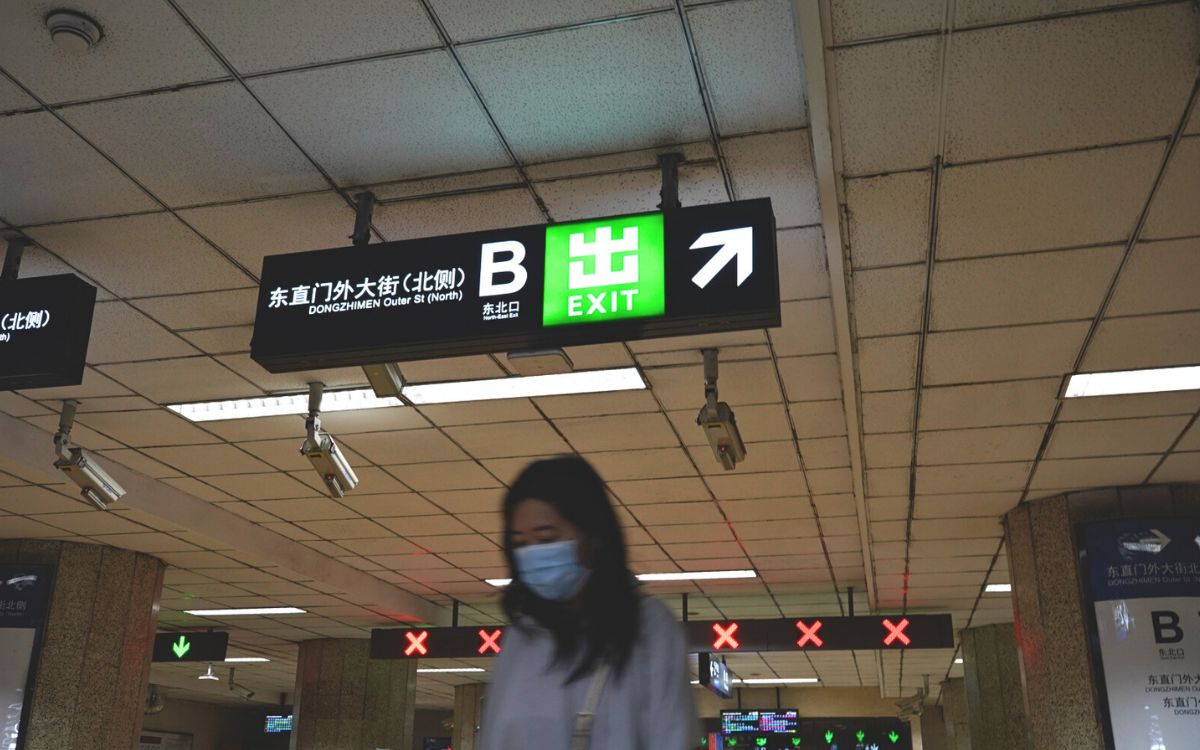
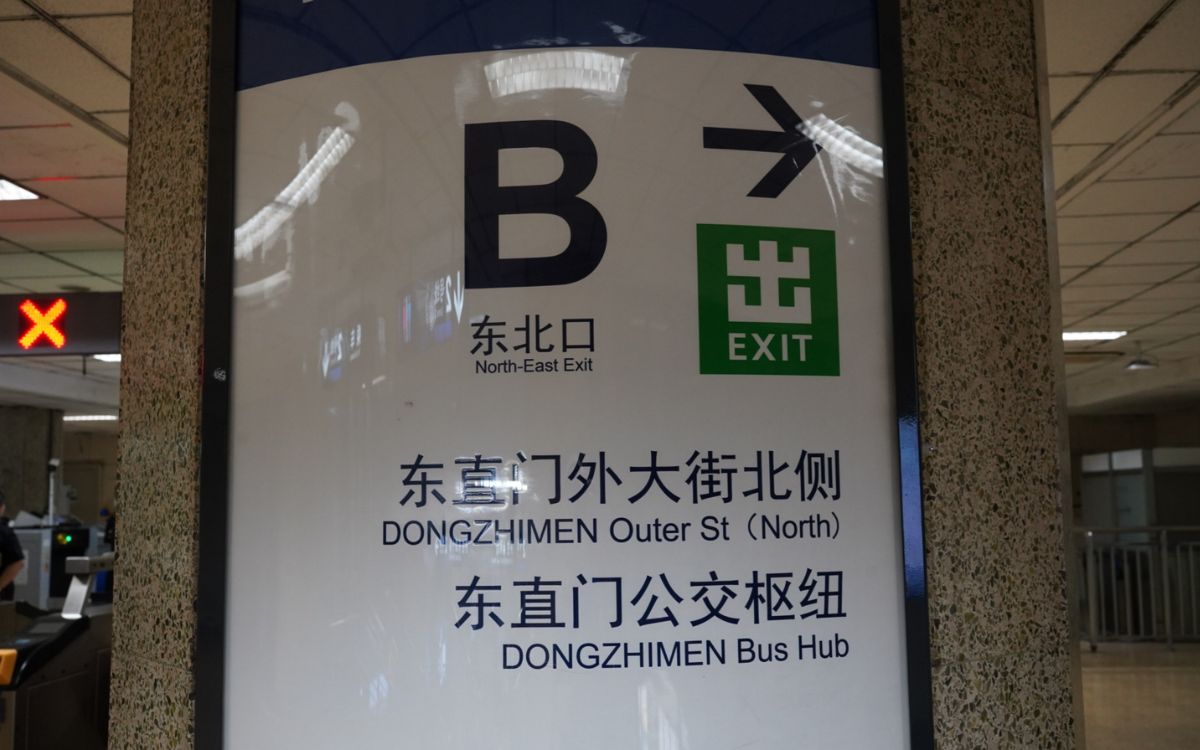
Step 1: Take Beijing Subway Line 2 and exit at Exit B of Dongzhimen Station.

How to Get to Jinshanling Great Wall From Beijng By Bus No. 8

The Ultimate Guide to Reaching Gubei Water Town from Beijing by Public Transport

Step 2: To get out of the subway, follow the clear signs directing you towards “Exit B.”

How to Get to Jinshanling Great Wall From Beijng By Bus No. 8

The Ultimate Guide to Reaching Gubei Water Town from Beijing by Public Transport

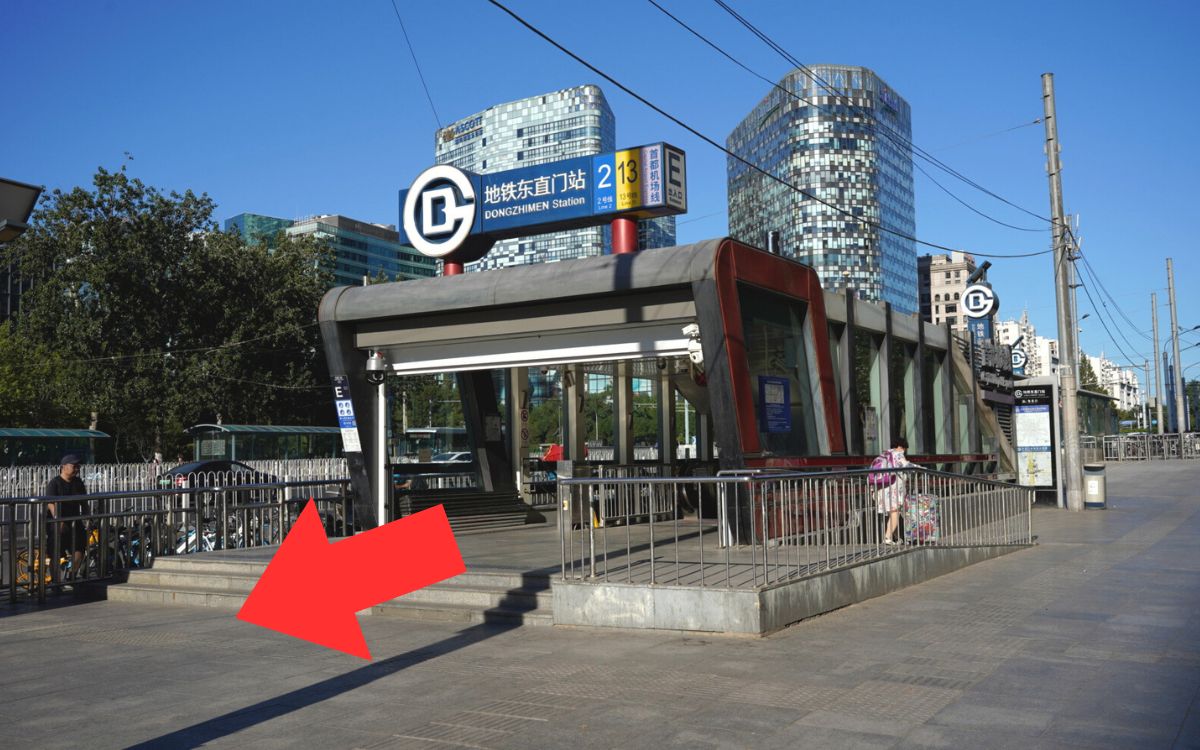
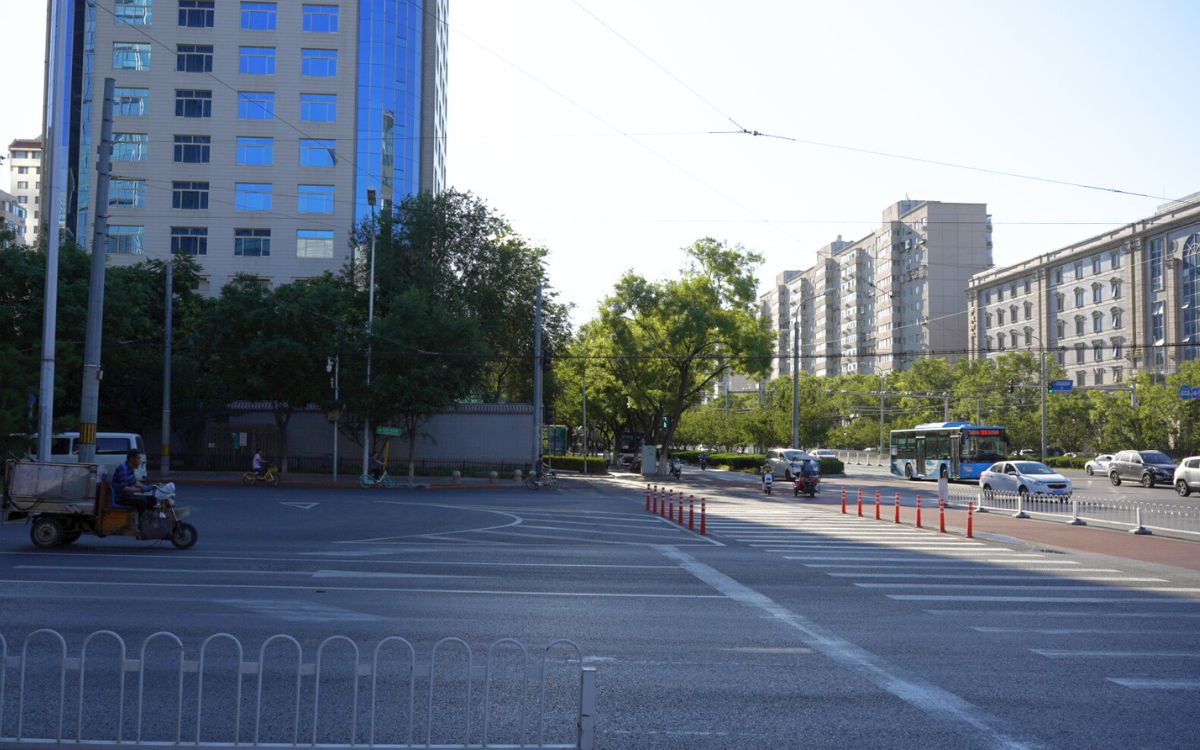
Step 3: After leaving the subway station, continue walking eastward for around 300 meters.

How to Get to Jinshanling Great Wall From Beijng By Bus No. 8

The Ultimate Guide to Reaching Gubei Water Town from Beijing by Public Transport

Step 4: Keep walking along the street.

How to Get to Jinshanling Great Wall From Beijng By Bus No. 8

The Ultimate Guide to Reaching Gubei Water Town from Beijing by Public Transport

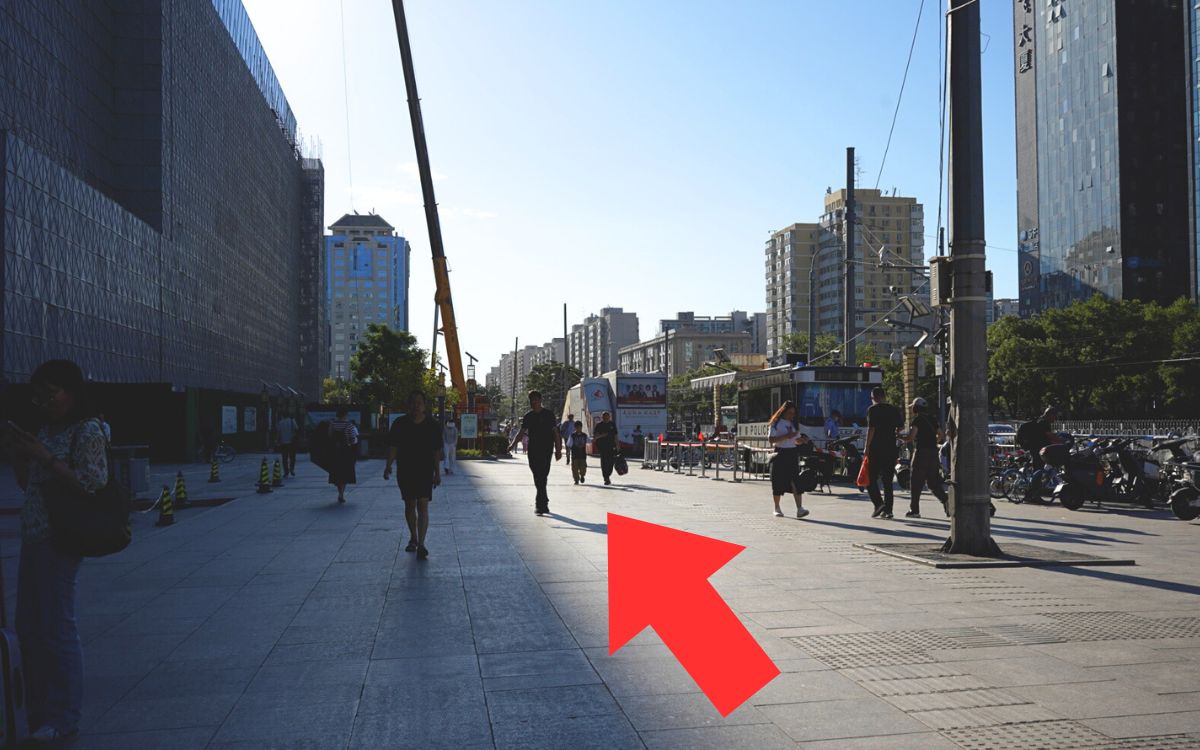
Step 5: Upon reaching the intersection (the first traffic light), do not cross the road. Instead, make a left turn.

How to Get to Jinshanling Great Wall From Beijng By Bus No. 8

The Ultimate Guide to Reaching Gubei Water Town from Beijing by Public Transport

Step 6: Continue your exciting adventure by walking a mere 300 meters along this street.

How to Get to Jinshanling Great Wall From Beijng By Bus No. 8

The Ultimate Guide to Reaching Gubei Water Town from Beijing by Public Transport

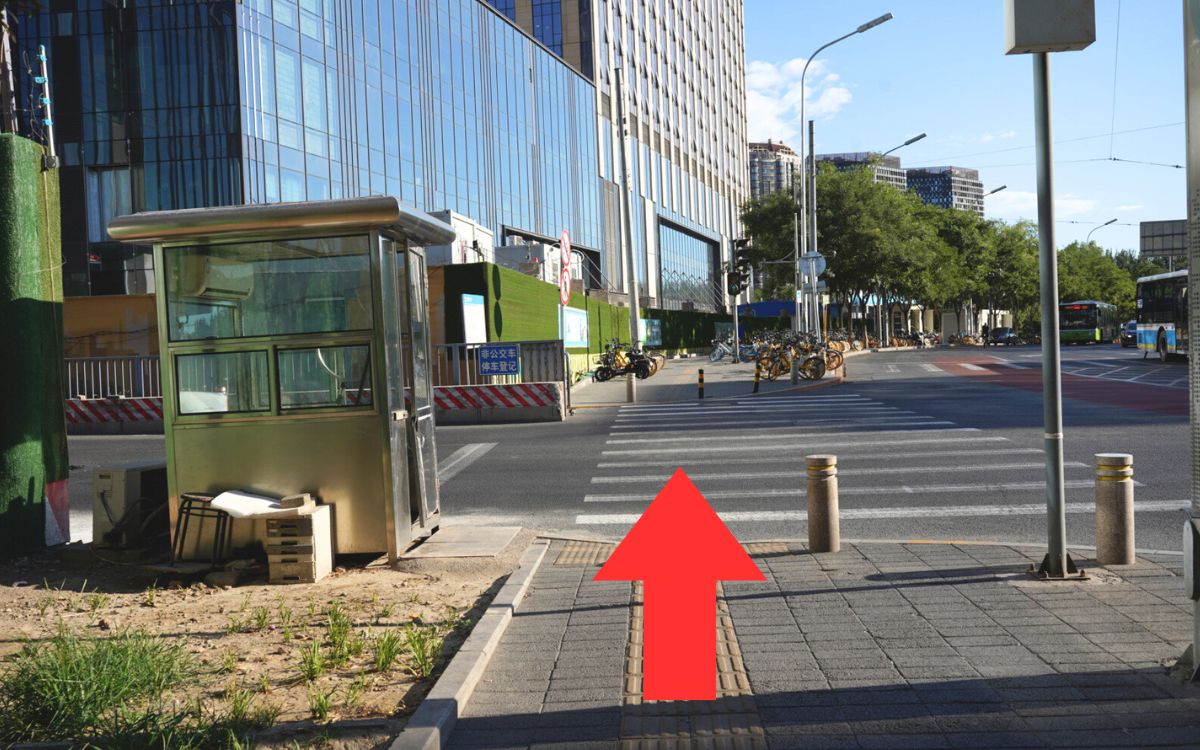
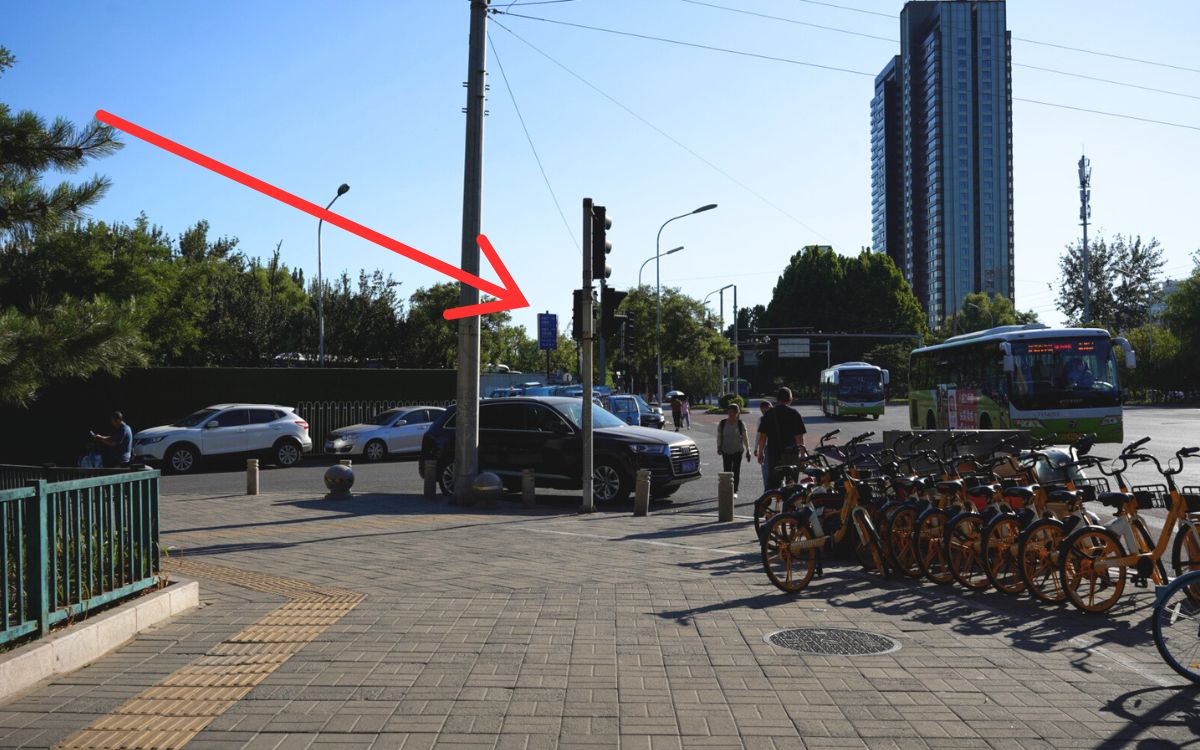
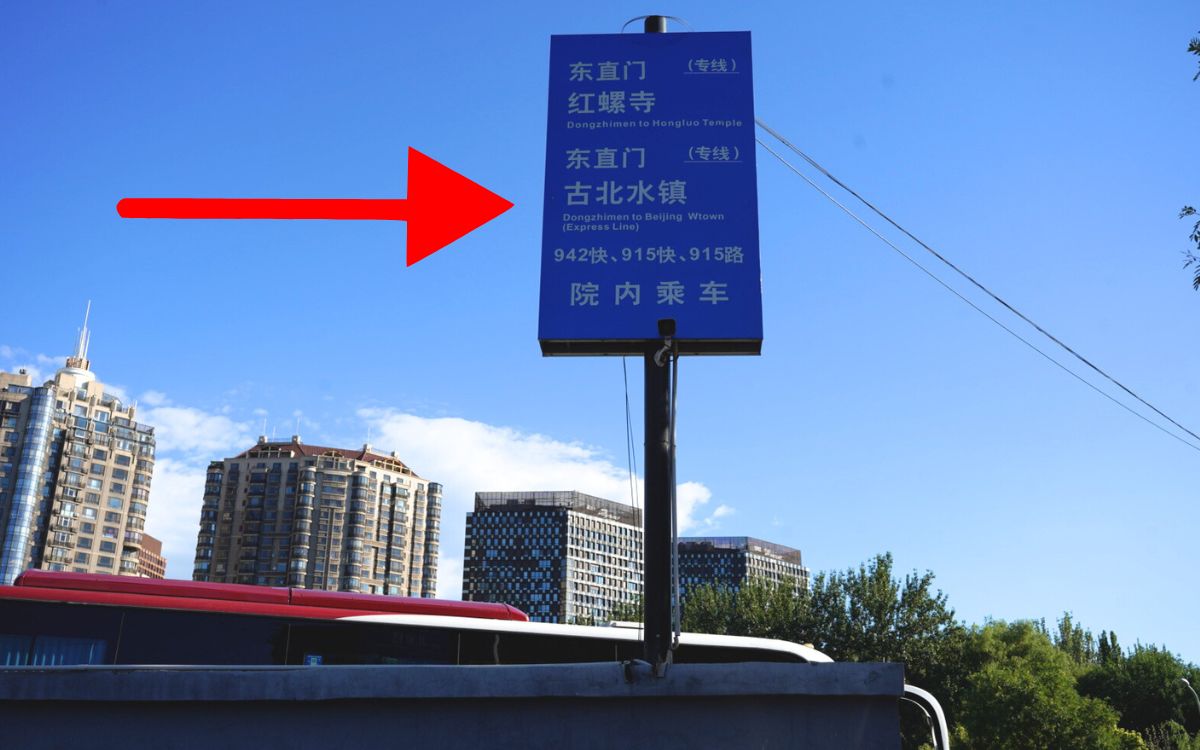
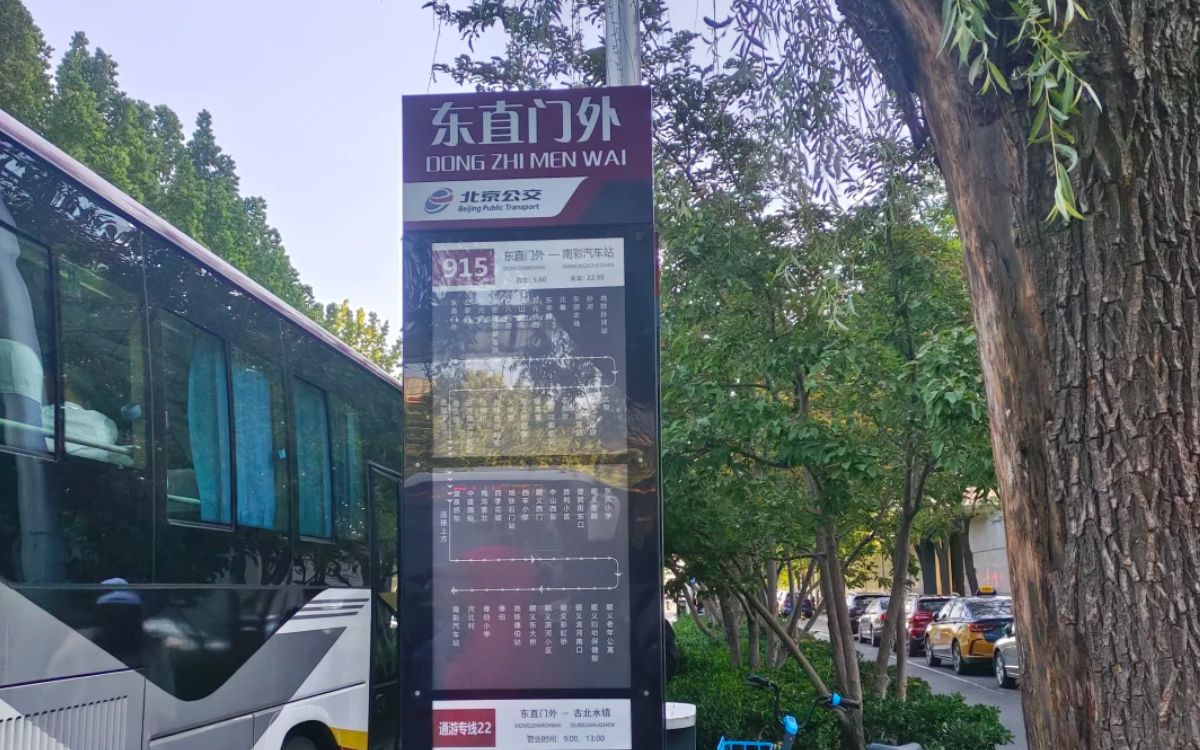
Step 7: Upon reaching this intersection, if you look ahead, you’ll notice a blue sign.

How to Get to Jinshanling Great Wall From Beijng By Bus No. 8


Step 8: Continue walking until you reach the area near the blue sign. 

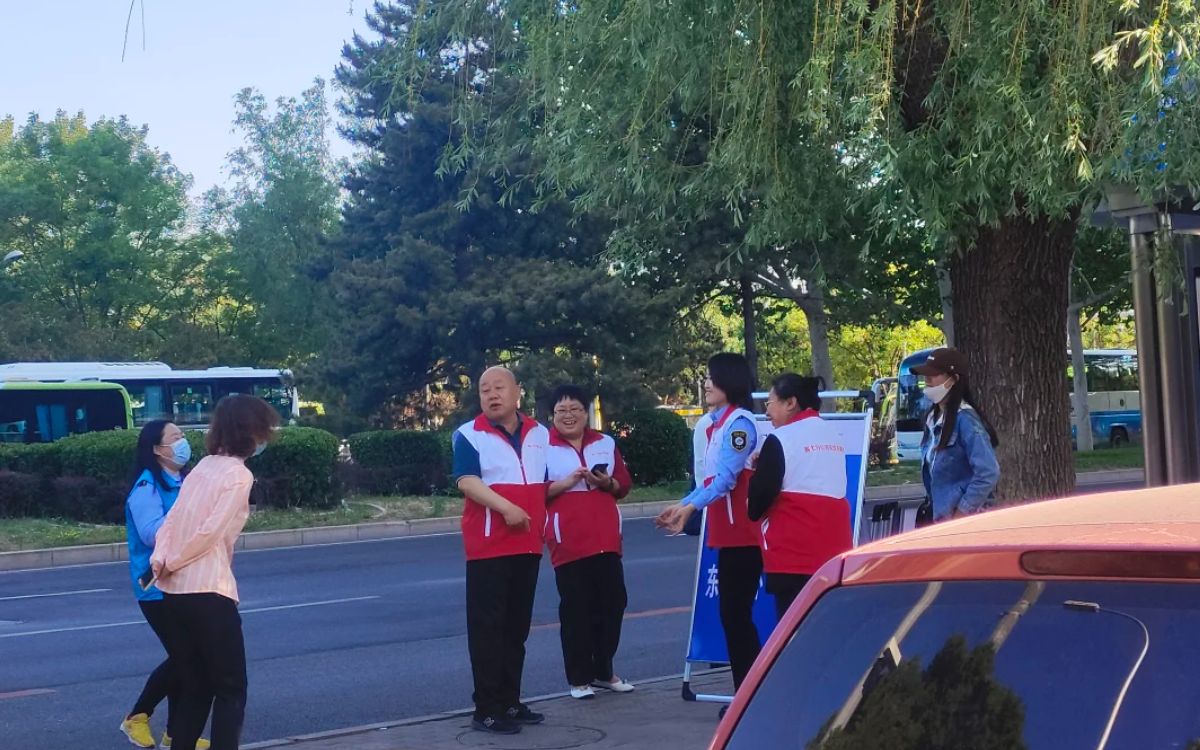
Step 9: At that point, you’ll also notice a group of volunteers directing people to cross the street and turn left — the shuttle bus pickup is located under the building. You’ll see what’s shown in Photos below. Just line up and wait — the shuttle buses run twice daily, at 9:00 AM and 1:00 PM.The Ultimate Guide to Reaching Gubei Water Town from Beijing by Public Transport


Journey to Gubei Water Town


Journey to Gubei Water Town


With these step-by-step instructions, you’ll have no trouble finding the boarding location and commencing your Gubei Water Town exploration.

Arriving at Gubei Water Town

Arriving at Gubei Water Town is a thrilling experience.

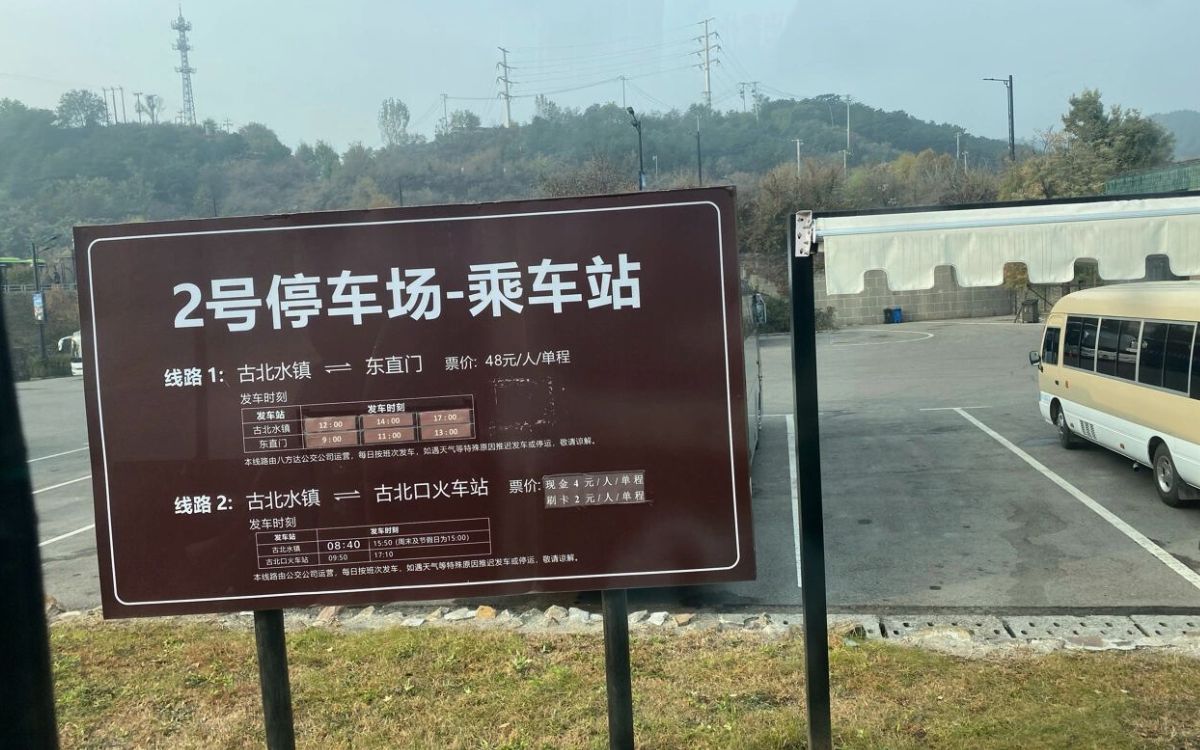
After a comfortable bus journey, you will be dropped off at the designated No. 2 parking lot located just outside the town.

The Ultimate Guide to Reaching Gubei Water Town from Beijing by Public Transport
No. 2 parking lot

Upon entering Gubei Water Town, you will notice six parking lots available.

For convenience, Parking Lot 1 and Parking Lot 6 are the closest to the entrance.

These parking lots provide shuttle bus services to the Tourist Service Center at a fare of ¥10 per person per trip.

Therefore, at Parking Lot 2, you can take the shuttle bus to the town.

It’s worth noting that guests who are staying within Gubei Water Town are entitled to a complimentary ride on the shuttle buses.

Below is the shuttle bus route between the parking lot and the Tourist Service Center:

  • Shuttle Bus Route: No. 2 Parking Lot to Tourist Service Center
  • Pick-up Point: No. 2 Parking Lot
  • Drop-off Point: Tourist Service Center
The Ultimate Guide to Reaching Gubei Water Town from Beijing by Public Transport

The Ultimate Guide to Reaching Gubei Water Town from Beijing by Public Transport

Things to Do at Gubei Water Town

For first-time visitors, the exploration begins with a leisurely stroll along its ancient, cobblestone lanes.

The town’s architecture, reminiscent of the Qing Dynasty, sets the scene for a picturesque exploration.

With over 430 local courtyard houses, numerous bridges and the impressive backdrop of the Northern Chinese mountains, photography enthusiasts will have a field day.

After immersing in the architectural beauty, visit the numerous quaint shops and restaurants scattered throughout the town.

Local delicacies are a must-try, from flavorful hot pots to the sweet crispness of hawthorn candy.

For history enthusiasts, the Yongshun Dye House is a must-visit for its vivid display of traditional dyeing techniques.

Afterward, consider taking a relaxing boat ride along the town’s waterways to appreciate the serenity of this ancient town.

As the night falls, the allure of Gubei Water Town magnifies.

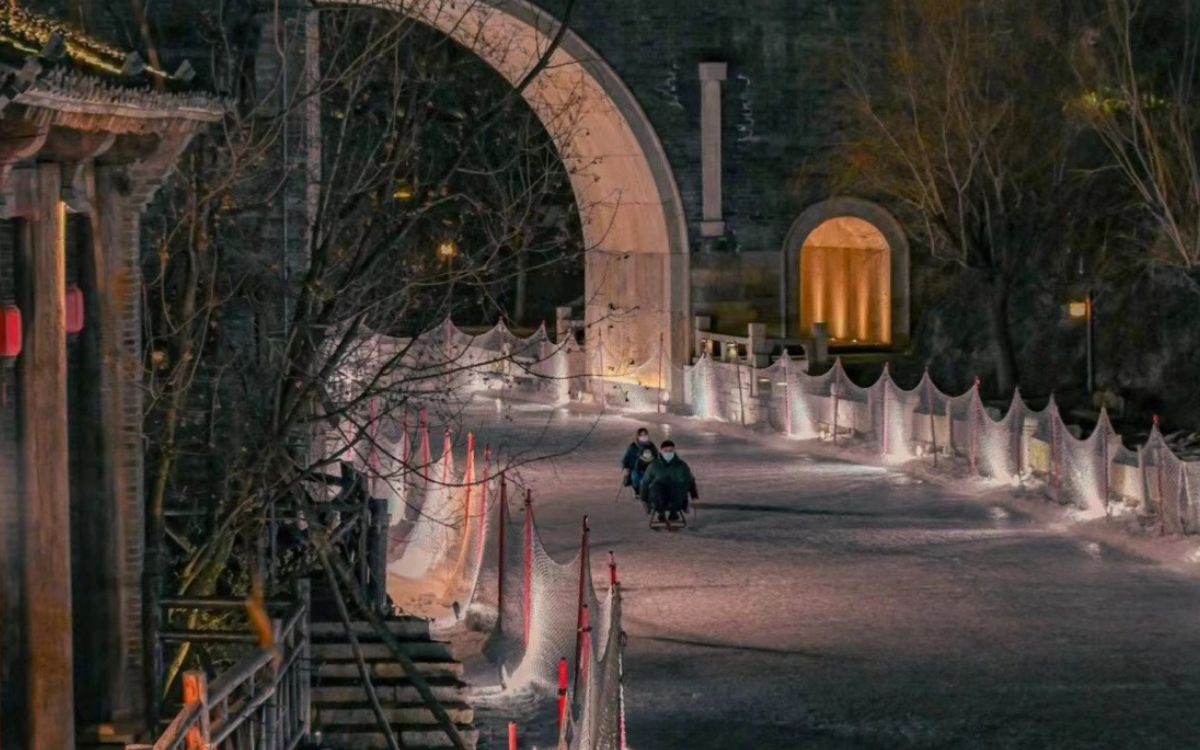
Be sure not to miss the extraordinary night view of the lit Simatai Great Wall, a truly unique sight.

Remember, Gubei Water Town isn’t just a visit, it’s an experience of stepping back into China’s rich history.

The Ultimate Guide to Reaching Gubei Water Town from Beijing by Public Transport

Where to Stay in Gubei Water Town:

High-End Stay: Hangu Valley Retreat Gubei Water Town offers luxury amidst the scenic beauty of Gubei. With spacious, comfortable rooms, delicious cuisine, and the warmest hospitality, relaxation is guaranteed. Unwind at their spa after a day of sightseeing. It’s a splurge at $200-380 per night.

Mid-Range Stay: Beijing Wtown Hotspring Resort is where comfort meets historic charm. Located along the quintessential streets of Gubei, it offers a warm welcome, cozy rooms with local charm, and scrumptious traditional dishes. Experience it for $130-230 per night.

Affordable Stay: Wolong Fort Inn allows for an economical visit without missing out on Gubei’s enchantment. This intimate inn embodies the area’s quaint allure, providing a comfortable place to rest after touring. It’s all yours for $35-65 per night.

Where to Stay in Gubei Water Town


Departing Gubei Water Town:

When it’s time to bid farewell to the enchanting Gubei Water Town and make your way back to Beijing, the departure process is as seamless as your initial journey.

The shuttle bus will be ready for departure at 12:00 PM and 5:00 PM from the same location where it initially dropped you off, ensuring a convenient and familiar point of departure.

Simply board the bus and reminisce about the unforgettable experiences you’ve had as you travel back to Beijing.

Where to Stay in Gubei Water Town


Choosing Between a Guided and Self-guided Tour

Embark on an exploration of Gubei Water Town with the choice between a guided tour or a self-guided adventure.

Delve into the pros and cons of each approach to discover the ideal way to experience the charm and beauty of this historic destination.

Guided Tour:

A guided tour of Gubei Water Town offers valuable insights, historical context, and expert guidance.

It eliminates planning hassle and ensures you don’t miss highlights.

However, it limits flexibility and spontaneity, with predetermined itineraries.

Self-guided Tour:

A self-guided tour of Gubei Water Town provides freedom and customization.

Explore at your own pace, make spontaneous detours, and save on costs.

However, it requires more research and preparation, lacking expert guidance, and the potential to miss out on hidden gems.

Where to Stay in Gubei Water Town


FAQs

Q: How can I reach Gubei Water Town from Beijing by public transport?

A: To reach Gubei Water Town from Beijing by public transport, you can take the convenient tourist shuttle bus service from Dongzhimen Outer Bus Station. Buses depart daily at 9:00 AM and 1:00 PM.

Q: How long does it take to travel from Beijing to Gubei Water Town by the tourist shuttle bus?

A: The direct and high-speed tourist shuttle bus typically takes approximately two hours to reach Gubei Water Town from Beijing, ensuring a convenient and efficient journey.

Q: Can I purchase the tourist shuttle bus tickets in advance?

A: Yes, you can either purchase the tickets on-site or reserve them in advance through the dedicated mini-program on WeChat, providing flexibility and convenience for your travel plans.

Q: Are there different payment methods available for purchasing the tourist shuttle bus tickets?

A: Yes, you can make payments for the tourist shuttle bus tickets using cash, Beijing Yikatong Card, Mobile Beijing Yikatong App (WeChat Pay), WeChat Pay, or Alipay.

However, please note that on-site ticket purchases only accept cash payments.

Q: Is the shuttle bus schedule subject to changes or adjustments?

A: Yes, the shuttle bus schedules may be subject to adjustments based on seasonal weather conditions.

Final Words

So there you have it, the ultimate guide to navigating your journey from Beijing to the stunning Gubei Water Town using public transport!

It’s time to embrace the adventure and set off to experience the charm of this ancient town and its impressive backdrop of the Great Wall.

Remember, each step of the journey is part of the unforgettable adventure you’re about to embark on.

Before setting off, don’t forget to delve into our informative posts about the surrounding areas of Gubei. These gems will enrich your visit, offering insights into other fascinating places to explore and activities to indulge in:

Hiring a Private Driver to Gube Water Town

Vehicle (Car, Van, Coach) Rental Rates (RMB)

Vehicle Options PEK Airport Pickup/Drop-off Gubei Water Town Badaling OR Huanghua-cheng Mutianyu Great Wall Mutianyu + Summer Palace Simatai OR Jinshanling Longqing Gorge
4 seats Magotan/ Teana 300 1090 890 690 890 1090 890
6 seats Buick 450 1590 1190 1090 1290 1490 1190
14 seats Ford Transit 650 1890 1490 1390 1490 1890 1490
16 seats Joylong 750 2390 1790 1790 1990 2390 1790
22 seats Toyota Coaster 950 2690 2090 2090 2290 2690 2090
38 seats KINGLONG 1350 3390 2790 2790 2990 3390 2790

Vehicle Rental Rates (RMB)

Vehicle Options Tiananmen, Forbidden City & Mutianyu PEK Airport PickUp & Mutianyu & Airport Drop Off PEK Airport PickUp/Drop Off & Mutianyu & City Sites Longqing Gorge + Badaling Shilinxia (Glass Platform) Eastern Qing Tombs Cuandixia Village
4 seats Hyundai 790 990 1190 950 990 990 990
6 seats Buick 990 1390 1390 1190 1190 1490 1190
14 seats Ford Transit 1290 1590 1590 1590 1390 1490 1690
16 seats Joylong 1790 1890 1890 1890 1690 1890 1890
22 seats Toyota Coaster 2090 2190 2190 2190 1990 2190 2190
38 seats KINGLONG 2890 2990 2990 2990 2790 2990 2990

All Prices shown are in RMB (Chinese Yuan) unless otherwise stated. Driver’s working time is 9 hours daily. The extra cost is 100RMB per hour.

The cost includes:
    • City accommodation pick up / drop off,
    • Non-English / Chinese speaking driver
    • A quality vehicle with A/C
    • Transportation fees
    • Parking fees, gasoline, toll fees
The cost doesn’t include
  • entrance fees to the sites
  • single journey of chairlift / toboggan / cable car (optional)
  • round trip of chairlift / toboggan / cable car (optional)
  • Meal and tips

Four Helpful Tips For Traveling in China While Pregnant

China Pregnancy Travel Tips

Four Helpful Tips For Traveling In China While Pregnant

Traveling can be a somewhat stressful experience at the best of times. However, traveling while pregnant provides a whole new set of challenges. If you and your baby bump are planning on taking a trip any time soon, you may find the following stress-reducing tips helpful:

1. Pack Enough Water and Snacks

Water is one of the most critical aspects of your diet when pregnant. Women should drink between eight and twelve glasses per day to replenish their amniotic fluid and reduce instances of nausea and dizziness. Alongside your water, you should also remember to pack plenty of healthy snacks to keep your energy levels.

Pregnant women are more likely to get food poisoning, particularly listeriosis, which can be dangerous. Avoiding uncooked stuff (like salads) would be wise. Scrupulous handwashing and frequent antibacterial wipes.

2. Time Your Travel

The first trimester is usually the hardest, with morning sickness and nausea cases quite common. The third trimester is the most sensitive, where any kind of stress may hurt your health – and potentially cause premature birth.

As a general rule, the second trimester is considered the best time to travel. Of course, every pregnancy is different, so you should be sure to consult with your doctor on the specifics of your case before you make any bookings.

Pregnant woman traveling with airplane. Close up.

3. Avoid High Altitude Destinations

Some pregnant women should be especially careful when traveling to high-altitude locations. Avoid high altitude destinations like Tibet and parts of Gansu, Sichuan, Qinghai, and Yunnan. If you have hypertension, preeclampsia, or any other high-risk pregnancy condition, high altitudes may make your situation worse. Also, avoid high-risk activities and instead opt for slow walks, low-intensity swimming, and yoga.

4. Take a Road Trip

This may come as a surprise, but a road trip is one of the most comfortable ways to travel when you are pregnant. Traveling by car allows you to take frequent stops, stretch, grab a snack, and even visit a medical care facility if the need arises.

In case of nausea, you can stop and take a breather. Rather than take a one-hour flight, it is often better to take a three or four-hour road trip. However, it would help if you tried to avoid any travel that would require you to be on the road overnight.

In Closing

Traveling in China while pregnant can undoubtedly be a little challenging, but it is by no means impossible. By following the advice contained in this article, you can ensure that your trip is as comfortable and stress-free as possible.

Four Helpful Tips For Traveling In China While Pregnant great wall
More Articles

Which part of the Great Wall is the best to visit

When is the best time to visit the Great Wall of China

Mutianyu Great Wall travel guide

Where is the best location to stay in Beijing

How long should I stay in Beijing


How To Get to Huanghuacheng Great Wall by Bus

Huanghuacheng Great Wall


Huanghuacheng Great Wall is one of the most beautiful and least crowded sections of the Great Wall near Beijing.

It is famous for its mountain views, peaceful setting, and the unusual sight of the wall meeting the water. I

t takes a little more effort to reach than places like Mutianyu or Badaling, but many travelers feel the scenery makes it well worth the trip.

If you are planning a visit, there are three main ways to get there: by public bus, by private car, or with a guided tour.

Public transport is the cheapest option, while a private car is the easiest and most comfortable.

Key Takeaways

  • Huanghuacheng is a scenic and quieter Great Wall section north of Beijing.
  • The easiest public transport route is now Dongzhimen → 916 Express → Nanhuayuan Sanqu → walk to Nanhuayuan Siqu → Huairou–Huanghuacheng Water Great Wall shuttle. This is simpler than the older route that required H21 plus a final walk or taxi.
  • A private car is still the best choice if you want the fastest and most comfortable trip.
  • Huanghuacheng is a good choice for travelers who want beautiful views, fewer crowds, and a more relaxed Great Wall experience.

If you’re looking for a peaceful Great Wall experience with standout scenery, Huanghuacheng is a top choice—just plan your transport wisely.

Why Visit Huanghuacheng Great Wall?

Hidden in the mountains of northern Beijing, Huanghuacheng feels quieter and more remote than the better-known sections of the Great Wall.

It is especially popular with travelers who want something more peaceful and more scenic.

What makes it special is the setting.

The wall runs through the hills above the reservoir, and parts of the area are known for the dramatic mix of mountains, water, and ancient stone walls.

In summer, the hills are greener and the landscape is especially photogenic. The section is often described as one of the most beautiful Great Wall areas near Beijing.

Where Is Huanghuacheng Great Wall?

Huanghuacheng Great Wall is in Huairou District, in the northern part of Beijing municipality.

It is farther from central Beijing than Mutianyu, so transportation takes more planning. That is why it is less crowded, but it is also why many travelers choose a private transfer instead of public transport.

How to Get to Huanghuacheng Great Wall by Bus

Traveling to Huanghuacheng by bus is now more straightforward than before.

The easiest public route is to take the 916 Express from Dongzhimen to Huairou, then transfer to the Huairou–Huanghuacheng Water Great Wall direct shuttle.

This updated route is better than the older version that involved taking H21 and then walking or finding a taxi for the last stretch.

Looking for a cheap, reliable car hire service? Check out our Great Wall car rental service page; Car hire to Great Wall from Beijing.

Step 1: Take the 916 Express from Dongzhimen to Huairou

Start at Dongzhimen Public Transport Hub in Beijing and take the 916 Express (京承高速快车) toward Huairou.

Useful details:

  • Departure point: Dongzhimen Bus Hub
  • Operating hours: about 5:50 AM to 8:00 PM
  • Frequency: about every 10 to 15 minutes
  • Get off at: Nanhuayuan Sanqu (南华园三区)
  • Fare: about 2 to 12 RMB

The ride usually takes around 1.5 hours, depending on traffic.

Step 2: Walk to Nanhuayuan Siqu

After you get off at Nanhuayuan Sanqu, walk about 100 meters to Nanhuayuan Siqu (南华园四区).

This is where you transfer to the shuttle going directly to the scenic area.

Step 3: Take the Huairou–Huanghuacheng Water Great Wall Shuttle

From Nanhuayuan Siqu, take the Huairou–Huanghuacheng Water Great Wall shuttle (怀柔—水长城专线).

Huairou departure times:
5:35, 6:25, 7:06, 7:45, 8:25, 9:05, 10:05, 10:45, 11:25, 12:05, 13:05, 14:05, 15:05, 15:25, 16:05, 16:45, 17:35, 18:20

Return from Huanghuacheng:
6:10, 6:55, 7:55, 8:35, 9:15, 9:55, 10:35, 11:35, 12:15, 12:55, 13:35, 14:35, 15:35, 16:35, 17:00, 17:35, 18:15, 19:05

Final stop:
Xishuiyu (西水峪 / Huanghuacheng Water Great Wall), which is by the scenic area entrance.

How Long Does the Bus Trip Take?

With the updated route, the total trip is usually around 2.5 to 3.5 hours one way, depending on traffic and how well the transfer lines up.

This is still the cheapest way to go, but it takes longer and gives you less flexibility than hiring a private car.

Pros of Going by Bus

  • Cheapest way to visit
  • Real local travel experience
  • Direct shuttle to the scenic area entrance
  • Good option for independent travelers

Cons of Going by Bus

  • Slower than a private car
  • Fixed bus schedules
  • Transfer required in Huairou
  • Less convenient in bad weather or if you are carrying a lot


Where Is the 916 Express Bus Station in Beijing?

The 916 Express leaves from the bus transfer area at Dongzhimen.

The current post notes that the station is reached from Exit B of Dongzhimen subway station, where signs point travelers toward the bus depot.

If you are taking the subway, it is best to arrive a little early so you have time to find the correct platform.


Private Car or Taxi

If comfort matters most, a private car is the best way to reach Huanghuacheng Great Wall. It is faster, easier, and much more flexible than the bus.

This is especially helpful for families, small groups, older travelers, or anyone who wants a smooth day trip without worrying about bus changes.

The current post already positions private car as the easiest option, and that still makes sense.

A private car from Beijing usually takes around 2 to 2.5 hours one way, depending on where you start and traffic conditions.

Many travelers choose a private driver because Huanghuacheng is remote, and the entrance area can be confusing if it is your first time there.

Why Many Travelers Choose a Private Driver

  • Hotel pick-up and drop-off
  • No waiting for bus schedules
  • Much easier return trip
  • Better for groups or families
  • More time at the wall and less time in transit

If you want an early start, a quieter visit, or a more relaxed day, this is usually the best option.


Best Way to Reach Huanghuacheng Great Wall

If you want the cheapest option, go by bus.

If you want the easiest and most comfortable option, go by private car.

If you want the simplest overall experience and prefer everything arranged for you, a guided tour can also work well. The current article compares the three options and correctly ranks private car highest for comfort and flexibility; only the public bus description needs updating to reflect the newer shuttle route.

Quick Comparison

Method Time (one way) Cost Convenience Best For
Public bus (916 Express + shuttle) 2.5–3.5 hrs Budget-friendly Medium Independent travelers
Private car / driver 2–2.5 hrs Higher Very high Families, couples, small groups
Guided tour 2–2.5 hrs Medium to high High First-time visitors

Travel Tips for Visiting Huanghuacheng Great Wall

A little planning makes a big difference here.

  • Start early: Cooler weather, softer light, and fewer crowds make the visit more enjoyable, especially for walking and photos.
  • Avoid peak days: Weekends and Chinese public holidays are usually busier, even though Huanghuacheng is quieter than many other Great Wall sections.
  • Download offline maps: Mobile signal in the mountains can be weak, so it is a good idea to save your route in advance.
  • Bring water and snacks: Food and drink options are more limited here, so it helps to carry a few basics with you.
  • Wear good shoes: Some paths are uneven, especially if you want to explore beyond the easiest walking areas.
  • Save a few useful Chinese phrases: A few simple phrases can be very helpful when asking for directions or using local transport.

These can help if you take public transport:

  • Huanghuacheng Great Wall — 黄花城长城
  • Please stop here — 请在这里停车
  • How do I get to the Great Wall? — 怎么去长城?

FAQs

Is Huanghuacheng Great Wall hard to reach?

Compared with Badaling or Mutianyu, yes, it takes more effort. But that extra effort is one reason it feels quieter and more peaceful.

Is there a direct bus from downtown Beijing?

Not a single direct bus from central Beijing all the way to the entrance. The easiest public route is now 916 Express to Huairou, then the Huairou–Huanghuacheng Water Great Wall shuttle.

That is more convenient than the older H21-based route.

Is Huanghuacheng worth visiting?

Yes, especially if you want a quieter Great Wall experience with beautiful scenery.

It is a very good choice for travelers who have already seen the more famous sections, or who simply prefer something less crowded.

This is an inference based on the post’s own description of Huanghuacheng as scenic, peaceful, and less crowded.

How much is the entrance ticket?

The current post says the entrance ticket is around 45 RMB per person.

Is it better to go by bus or private car?

If your priority is saving money, take the bus. If your priority is comfort, time, and flexibility, book a private car.

Final Thoughts

Huanghuacheng Great Wall is one of the most rewarding Great Wall day trips from Beijing if you want peaceful scenery, fewer crowds, and something a little different from the usual tourist route.

Public transport is possible and now easier than before thanks to the direct Huairou shuttle, but a private car is still the smoothest way to visit.


Xingping Ancient Town: Best Views, Tips, and Routes

Xingping travel guide


Discover Xingping’s Best Views, Eats, and River Walks

Step into Xingping Ancient Town and you step into a place where the Li River and a thousand years of history flow together.

  • A Living Old Town: Founded in the Three Kingdoms era, Xingping still keeps its traditional look—stone lanes, mud-brick walls, grey tiles, and carved wooden windows.

  • Real River Life: Unlike busier tourist streets in Yangshuo, Xingping feels calm and authentic, with locals fishing, cooking, and chatting right by the river.

  • Classic Li River Views: Many of Guilin’s most famous viewpoints—including the 20 RMB banknote scene—are within minutes of the old town.

Xingping at a Glance

Age: 1,600+ years
Location: 25 minutes from Yangshuo; 5 minutes from Yangshuo High-Speed Railway Station
Best For: Photography lovers, slow travelers, families, culture seekers
Top Highlights: 20 RMB viewpoint, Huangni Wharf, Laozhai Mountain, Nine-Horse Fresco Hill
Recommended Stay: 1–2 nights

Xingping travel guide

Why Xingping Is Worth Visiting

Xingping is absolutely worth visiting—especially if you want Guilin’s stunning landscapes without the tourist crowds. It’s one of the few places along the Li River where traditional village life, dramatic scenery, and a relaxed pace all come together perfectl

  • More Authentic Than West Street: Xingping still feels like a real riverside town. No loud bars, no heavy commercialization—just quiet stone lanes and everyday local life.

  • Best Access to Li River Scenery: The famous 20 RMB viewpoint, Nine-Horse Fresco Hill, Laozhai Mountain, and several ferry routes are all close by.

  • Perfect Base for Slow Travel: Stay a night or two to enjoy sunrise by the river, peaceful morning walks, cozy cafés, and small family-run restaurants.

Best Ways to Travel From Guilin to Xingping

Traveling from Guilin to Xingping is easy, and there are several convenient ways to make the journey depending on your time and budget.

Whether you prefer the speed of the high-speed train, the comfort of a private car, or the freedom of a bus ride, here are the best ways to get from Guilin to Xingping.

1. Li River Cruise + Bus/Taxi (Scenic Route)

  • Take the Li River cruise from Guilin → Yangshuo.

  • From Yangshuo Pier, continue to Xingping by bus or taxi.

  • Best if you want sightseeing and travel together.

2. High-Speed Train to Yangshuo Station + Shuttle Bus (Fastest & Easiest)

  • Take a high-speed train to Yangshuo Station (not Guilin).

  • Follow the signs to the official shuttle bus.

  • Ride 15 minutes to Xingping Bus Station.

  • This is the most direct route for most travelers.

3. Bus from Guilin → Yangshuo → Xingping (Budget Option)

  • From Guilin Qintan Bus Station, take a bus to Yangshuo town.

  • Transfer to a local bus or taxi to reach Xingping.

  • Good for backpackers and budget travelers.

Xingping travel guide


How to Reach Xingping From Yangshuo

Getting from Yangshuo to Xingping is simple, with several quick and convenient options to choose from.

Whether you’re looking for the fastest route, the most scenic ride, or the best value, here’s how to reach Xingping from Yangshuo.

Taxi or Ride-Hailing

  • Time: ~1 hour

  • Good for: People with luggage or families

  • Simple point-to-point travel.

Bus From Fengming Tourist Center

  • Route: Fengming → Xingping → Yangshuo Station

  • Time: ~50 minutes to Xingping

  • Great for budget travel and easy transfers.

Yangshuo Station: Essential Info

Many travelers get confused, so here’s the simple truth:

  • Yangshuo Station is actually in Xingping, not in Yangshuo town.

  • 15 minutes to Xingping Ancient Town

  • About 1 hour to West Street in Yangshuo town

Why Yangshuo Station Is So Convenient

  • Closest high-speed stop to the best Li River scenery

  • Near the 20 RMB viewpoint, Nine-Horse Fresco Hill, and Xianggong Mountain

  • You step out of the station and enter the mountains immediately

How to Leave Yangshuo Station

Leaving Yangshuo Station is straightforward, with several easy transportation options available as soon as you step outside.

Whether you’re heading to Xingping, Yangshuo Town, or another nearby destination, here’s how to get where you’re going from Yangshuo Station.

1. Shuttle Bus to Xingping (Best for Xingping)

  • Route: Yangshuo Station ⇄ Xingping Bus Station

  • Time: ~15 minutes

  • Price: 5 RMB

  • From the bus station, rent an e-scooter to reach viewpoints and the river.

2. Shuttle Bus to Yangshuo Town (Best for West Street)

  • Route: Yangshuo Station ⇄ Yangshuo Bus Terminal

  • Time: ~60 minutes

  • Price: 20 RMB

  • Short taxi or scooter ride to West Street from there.

3. Taxi / Ride-Hailing (Most Flexible)

  • To Xingping: 20–30 RMB

  • To Yangshuo Town: 80–100 RMB

  • Use the meter or agree on the fare first.

Common Mistakes to Avoid in Xingping

  • Don’t confuse Yangshuo Station with Yangshuo Town:
    The station is in Xingping, not near West Street.

  • Use official shuttle buses:
    They’re cheap, reliable, and easy to find right after you exit the station.

  • E-scooters make travel easy:
    Roads near scenic spots are narrow. Scooters solve parking and traffic problems.

  • Going to Yulong River? Set the exact pier name:
    Don’t just type “Yulong River bamboo raft” into your app—drivers may take you to the wrong place.

  • Boat to Yangshuo is great; boat back to Guilin is not:

    • Guilin → Yangshuo by boat: Wonderful.

    • Yangshuo → Guilin by boat: Complicated, slow, and inconvenient.

    • Return by bus or high-speed train instead.

Xingping travel guide


Best Time of Year to Visit Xingping

  • Spring (March–May) and autumn (September–November) offer the most beautiful weather—mild temperatures, misty mornings, and clear river views.

  • Summer (June–August) is hot, humid, and rainy, making outdoor activities less comfortable.

  • For a quieter experience, avoid the summer rainy season and major holidays to enjoy Xingping’s peaceful old-town charm.

Top Things to See in Xingping

Xingping is the kind of place where stunning river views and everyday village life blend into one unforgettable experience.

  • Iconic Scenery: Stand where the famous 20 RMB banknote photo was taken and see the Li River curve between towering karst mountains.

  • Real Local Life: Watch fishermen, market vendors, and families going about their day—this is the heart of the Li River community.

  • Old-Town Charm: Explore narrow stone lanes, quiet homes, and traditions that have stayed the same for generations.

Xingping travel guide


Best Activities in Xingping

Xingping offers some of the most stunning landscapes and authentic village moments along the Li River. These top activities will help you experience the very best this ancient town has to offer.

Bamboo Rafting: A Calm Li River Experience

If you want a quiet, close-up look at the Li River’s most beautiful scenery, bamboo rafting is one of the best experiences you can have in Xingping.

  • Easy to Book: Tickets are available on Meituan, Ctrip, or right at the local ticket hall.

  • Safe & Smooth: All rafts are electric and simple to board, with a calm 50–60 minute ride.

  • Beautiful Every Minute: The route passes the most famous mountains and river bends in Guilin.

Choosing the Right Raft Ticket

  • 140 RMB — Raft Only
    Go straight to Chaobanshan Pier on your own (walk or drive).

  • 170 RMB — Raft + Shuttle
    Includes the official shuttle from Xingping’s ticket hall to the pier—perfect during peak season or if you’re not driving.

Best Route for Bamboo Rafting

The Chaobanshan Pier ↔ Nine Horses Fresco Hill route is the top pick for most travelers.

You’ll see:

  • The 20 RMB banknote view

  • Yellow Cloth Shoal

  • Nine Horses Fresco Hill

This short ride covers the most iconic stretch of the Li River.

Getting to Chaobanshan Pier

  • From Yangshuo Station:
    Take the 5 RMB shuttle to Xingping Bus Station, then walk to the ticket hall.

  • By Car:
    Navigate to Chaobanshan Middle School and follow the signs to the pier.

Photo Tips for Rafting

  • Bring a 20 RMB note for the classic comparison shot.

  • Best light: 7–10 AM for soft colors; sunset works well for silhouettes.

  • If the fisherman is around, you can ask for a photo with his cormorants (usually 20 RMB).

Rafting Safety Tips

  • Children under 0.9 m and adults over 70 cannot ride.

  • Wear your life jacket at all times.

  • Stay seated when taking photos.

  • Book early during holidays—on-site tickets often sell out.

Alternatives to Bamboo Rafting

  • Cycle or Scooter: Ride along the river to the 20 RMB viewpoint and Lengshui Ferry.

  • Lengshui Ferry: A simple 5 RMB ride takes you right to the foot of Nine Horses Fresco Hill.

  • Explore the Town: Wander through Xingping’s old alleys, handmade craft shops, and quiet river viewpoints.

Xingping travel guide


Li River Hiking

If you want to walk through Guilin’s most famous riverside scenery at your own pace, the Li River hike is one of the best adventures you can choose.

  • Easy, Scenic Walking: The Yangdi → Xingping route is mostly flat, filled with quiet river bends, misty peaks, and local village life.

  • Simple Route Structure: You’ll follow the river, cross three small ferries, and end with a stunning walk into Xingping Ancient Town.

  • Perfect for First-Timers: About 16 km, well-marked, and packed with classic Li River views—great for anyone who enjoys slow, peaceful trails.

Why This Hiking Route Is Special

  • You’ll walk the most beautiful stretch of the entire Li River.

  • The scenery is unforgettable: fishermen, karst peaks, and calm water everywhere you look.

  • Holiday traffic affects Yangdi, so plan transport early if visiting during peak season.

How the Route Works (Simple Steps)

1. Yangdi Pier → Langshi Village

  • Take the first ferry (10 RMB) to Langshi Village and follow the village path onward.

2. Langshi Village → Quanjiazhou

  • Walk to the next ferry point and cross again (10 RMB).

  • Local villagers can easily point the way.

3. Quanjiazhou → Jiatianxia → Lengshui Ferry

  • Avoid the riverside stone trail in rainy weather—it’s slippery.

  • Stick to the main road toward Jiatianxia.

  • Hire a small trike or walk to Lengshui Ferry and cross once more (5 RMB).

4. Xingping Riverside → Xingping Ancient Town

  • Walk the final 5–6 km along the river—this section has some of the most iconic Li River views.

  • Finish at the heart of Xingping Ancient Town.

Transport Tips

  • Buses run from Guilin and Yangshuo to Yangdi Pier.

  • Total ferry cost: 25 RMB for all three crossings.

  • From Xingping, buses to Yangshuo leave about every 10 minutes.

  • By high-speed rail: get off at Yangshuo Station, continue to Xingping, then transfer to Yangdi.

Difficulty Level at a Glance

  • Difficulty: Easy — almost no elevation

  • Scenery: Outstanding — one of the best in China

  • Shops: First 3 km have none; later villages offer drinks and snacks

Xingping travel guide


Climbing Lao Zhai Mountain: Best Free Viewpoint

If you want the most beautiful sunset view of the Li River without spending a single yuan, Laozhaishan is the perfect hike—steep, short, and unbelievably rewarding.

  • Fast & Beginner-Friendly: The trail takes about 35–45 minutes and follows stepped stone paths that are steep but easy to follow.

  • Perfect for Sunset: The summit looks over the Li River’s famous big bend, with glowing light on the mountains from late afternoon.

  • Easy to Reach: The trail starts right behind Mochi · Shejiang Scenic Resort Hotel, just a short walk from Xingping Ancient Town.

Lao Zhai Trail Basics

  • Hiking Time: 35–45 minutes to the top

  • Difficulty: Moderate but doable for beginners

  • Best Time: Sunset (5–6 PM); mornings are quieter with soft mist

  • Trail Type: Steep stone steps; no scrambling or special gear required

What to Bring for the Hike

  • Comfortable shoes with good grip

  • One bottle of water

  • Sunscreen, hat, and sunglasses

  • Light jacket in cooler seasons

  • Phone or camera for sunset shots

  • Travel light — no extra gear needed

Best Photo Spots on Lao Zhai

  • The top offers a full view of Xingping village, the river’s big bend, and layers of karst peaks.

  • Arrive early during holidays for the best spot.

  • Sunset creates warm backlight—great for silhouettes and wide-angle photos.

  • On cloudy days, the mist creates an elegant, ink-painting look.

Safety Notes

  • Avoid hiking in heavy rain; the steps get slippery.

  • Some upper areas have no railings—watch your footing while taking photos.

  • Start heading down before dark unless you bring a flashlight.

Xingping travel guide


Cycling to Yangshuo: Scenic Route Guide

If you want a relaxed, immersive way to enjoy Guilin’s famous landscape, cycling from Xingping to Yangshuo is one of the most beautiful routes you can take.

  • Stunning Scenery All the Way: Ride past the 20 RMB viewpoint, quiet piers, cormorant fishermen, and wide open fields surrounded by karst peaks.

  • Easy Point-to-Point Route: Start at Xingping Bus Station and follow the riverside paths toward Xinhánzhou for the best view of Nine Horses Fresco Hill.

  • Great for Slow Travel: Perfect for anyone who wants a peaceful ride with plenty of stops for photos, snacks, or just enjoying the river breeze.

Cycling Route Overview

Start: Xingping Tourist Bus Station
End: Xinhánzhou (Nine Horses Fresco Hill viewpoint)

Main Stops:

  • Cormorant fisherman photo spot

  • 20 RMB banknote viewpoint

  • Egendi Pier

  • Yellow Cloth Reflection

  • Mashan Pier

  • Huashan Primary School → turn onto the small village road to Xinhánzhou

Important Notes:

  • The ride to Mashan Pier is out-and-back.

  • The final stretch from Huashan Primary School to Xinhánzhou is narrow and longer — check your bike or e-scooter battery before you commit.

What You’ll See Along the Cycling Route

  • The well-known cormorant fisherman photo spot

  • The classic mountains printed on the 20 RMB banknote

  • Quiet riverside paths and peaceful local piers

  • The Yellow Cloth Reflection, famous for its mirror-like water

  • Nine Horses Fresco Hill, best viewed from Xinhánzhou

  • Small rural villages surrounded by fields and karst peaks

This route is perfect for travelers who want a calm, flexible way to enjoy Xingping’s landscapes without rushing.

Xingping travel guide


Photography Tips and Best Viewpoints

Xingping is one of the rare places in China where the mountains, river, and light truly look like a classical ink painting—especially at sunrise and sunset.

  • World-Class Viewpoints: From high peaks to quiet riverbanks, Xingping offers some of the most photogenic spots in all of Guilin.

  • Easy to Reach: Most locations are close to town and accessible by e-scooter, car, or even on foot.

  • Perfect for Any Style: Whether you love sunrises, sunsets, reflections, or portraits of local life, Xingping has the ideal setting.

Cuiping Hill: Best for Sunrise

One of Yangshuo’s best sunrise platforms, facing rows of karst peaks and a jade-green river curve.
Best time: 7:00–8:30 AM
Why it’s great: Beautiful blue layers, soft light, wide panoramas.

Lao Zhai Ruins: Best for Sunset

An old metal viewing deck gives you a full view of the Xingping river bend.
Best time: Golden hour before sunset
Why it’s great: Warm orange cliffs and cool blue water—classic Xingping color contrast.

Liwu Bubble Mountain: Sky-Mirror Views

A free viewpoint with a still reflective pool that creates perfect mirror shots.
Best time: Early morning mist or late-afternoon soft light
Why it’s great: Easy compositions and dreamy, scroll-painting reflections.

Real 20 RMB Viewpoint

Navigate to Wangwang Fish Restaurant, walk down the stairs, and you’ll see the exact scene printed on the 20 RMB banknote.
You can also take a paid photo with a cormorant fisherman (about 20 RMB).
Nearby Chaobanshan Pier offers another angle and access to bamboo-raft routes.

Quiet Riverside Photo Spots

Small paths between the main viewpoints lead to peaceful riverbanks—great for free, crowd-free shots.
Upstream, a quiet area offers views of Nine Horses Fresco Hill, with shallow water where kids can safely play.

How to Reach These Viewpoints

Distance: ~2 km from Xingping Ancient Town
Best options: E-scooter (around 30 RMB), car (parking 10 RMB), or walking
Holiday tip: Non-local cars may be restricted, so park in town and rent a scooter.

Practical Photography Tips

Bring a 20 RMB note for the classic comparison photo.
Watch your step near the river, especially after rain.
If hiring a photographer, confirm what’s included.

If you love unforgettable landscapes, Xingping offers some of the most beautiful photo spots in the entire Li River region.

Xingping travel guide


Where to Eat in Xingping

Xingping may be a small riverside town, but it’s packed with delicious food — from cozy cafés to hidden family kitchens serving real local flavors.

  • Great Variety: Western breakfasts, Chinese home-style dishes, and even Indian curries.

  • Local Gems: The best meals are often found in small alleys and market-side shops.

  • Riverside Cafés: Perfect places to relax with coffee, views, and fresh air after exploring.

Best Restaurants and Cafés

This Old Place Café
Western breakfasts, handmade pizza, strong coffee, and peaceful river views.

Love Landscape Restaurant
Chinese dishes with scenic outdoor seating — great for sunset meals.

Warm Café
Friendly café serving good drinks, light meals, and simple comfort food.

Ganga India Restaurant
Authentic curries, naan, and vegetarian dishes — a nice change from Chinese cuisine.

Local Dishes You Should Try

Jiaquan Restaurant
Famous for Duck Feet Claypot and Stir-Fried Noodles with Pickled Bamboo Shoots.
Affordable, tasty, and loved by locals.

Real Guilin Rice Noodles (Market Area)
Walk past the tourist street near the bus station and head into the alleys by the fresh market.
You’ll find the most authentic Guilin rice noodles at local prices.

Dufu Yayuan Old House Bar
A restored old home with mountain views.
Top picks: Basque cheesecake and rose latte.

Laofang Neighborhood Bistro
Home-style dishes cooked by a mother and daughter.
Try the Bamboo-Shoot Stir-Fried Pork and Stewed Taro.

Qingluo Beer Fish
Good for dine-in or delivery.
Recommended dishes: Fish-Fragrant Eggplant and Three-Cup Chicken.

That Little Home Kitchen
Known for unique local flavors.
Don’t miss Tree Bark Scrambled Eggs and Braised Pork with Dried Beancurd Sticks.

White Café
Warm, rustic design filled with plants and wooden décor.
A cozy spot for hot chocolate or fresh-brewed coffee.

Xingping travel guide

Best Places to Stay in Xingping

Xingping may be small, but it offers some of the quietest, most scenic stays in the Yangshuo area — perfect for travelers who want river views, mountain sunsets, and peaceful nights.

  • Great Variety: From riverside hostels to stylish boutique stays with mountain views.

  • Perfect for Slow Travel: Most places sit inside the old town or along quiet village roads.

  • Easy Access: Close to top attractions like the 20 RMB viewpoint, Lao Zhai Mountain, and bamboo-rafting piers.

Wa House(瓦舍) — Boutique Stay Worth the Splurge

Located inside Xingping Old Street — unbeatable convenience.
Modern Zen design with original brick details, smart features, and an elevator.
Their private kitchen serves surprisingly good local dishes.
Best for travelers who want style, comfort, and easy access.

Rosewood Hotel(玫瑰木酒店・兴坪)

Just steps from the pier — perfect for bamboo rafting and river walks.
Spacious duplex rooms, a peaceful garden, and a good on-site restaurant.
A lovely option for couples and families.

Lihotel(兴坪)

A beautifully designed boutique hotel with strong mountain views.
Highlights include a rooftop terrace, heated drying rack, excellent bathroom fixtures, and thoughtful amenities.
Generous breakfast, plus a great family-run restaurant next door.
Ideal for those seeking comfort and style without Yangshuo’s crowds.

Top 3 Hotels in Guilin

Budget – Wangcheng Boutique Hotel: Affordable, clean, and centrally located. A great choice for budget travelers. Basic amenities and easy access to Guilin’s top sights. (RMB 150-250/night)

Mid-Range – LiCLOUDS Hotel: Modern comfort near scenic spots. A perfect balance of value and location. Enjoy stylish rooms, friendly service, and a peaceful atmosphere. (RMB 350-550/night)

Luxury – Li River Hotel: Stunning river views, elegant suites, and top-notch service. An upscale retreat with breathtaking scenery and premium hospitality. (RMB 1000-1200/night)

Xingping travel guide


Attractions Near Xingping

Yangshuo Town — nightlife, bars and cafés, West Street shopping, great base for biking and rafting

Fuli Ancient Town — handmade paper fans, quiet riverside streets, authentic local culture

Nine Horses Fresco Hill — classic Li River cliffs, best viewed by bamboo raft, iconic photo spot

Traditional Rural Villages — rice fields and bamboo groves, water buffalo, peaceful countryside walks

Xingping → Yangshuo River Cruise (Optional) — short scenic ride, wide mountain views, easy arrival into Yangshuo town

Useful Travel Tips

Xingping is beautiful, but without the right tips, first-time visitors can lose a lot of time. Here’s how to make your trip smooth, fun, and completely stress-free.

1. Arriving by High-Speed Train at Yangshuo Station

Turn left after exiting the station to buy shuttle bus tickets.

Buses are lined up outside — very easy to find.

If one is about to leave, scan the QR code and pay while walking.

Buses run about every 30 minutes.

2. Store Your Luggage

When the bus drops you off in Xingping, you’ll see several luggage-storage shops.

Everything in this area is negotiable — bargain if you have multiple bags.

Many rental shops offer free storage if you rent their e-scooter.

3. Rent an E-Scooter — This Is a Must

The best way to explore Xingping.

Most viewpoints sit along one main riverside road, and you can stop anywhere for photos.

Walking takes far longer than it looks on the map.

Parking is easy as long as you keep the road clear.

4. Don’t Follow the Wrong Map Pin for the 20 RMB Viewpoint

Do not search for “Wangwang Restaurant (旺旺美食).”

Instead, search “20 Yuan Viewpoint (二十元景点)” and follow the main riverside road.

All nearby viewpoints are along this same route.

5. Ask About the Last Bus Before You Start Exploring

If you’re not staying overnight, ask the rental shop when the last bus leaves.

This will decide how far you can go along the riverside road.

Xingping travel guide

FAQs

Q: Is Xingping worth visiting?

A: Absolutely. It’s a hidden gem with stunning river views, rich history, and a peaceful vibe that feels truly authentic.

Q: How long should you spend in Xingping?

A: One to two days is ideal. That gives you time to explore the old town, enjoy the river, and soak in the scenery without rushing.

Q: Can I take a train to Xingping?

A: Yes! Xingping has a railway station with easy connections to Guilin and Yangshuo. It’s a smooth and scenic ride.

Q: What makes Xingping different from Yangshuo?

A: Xingping is quieter and more traditional, with fewer crowds. Yangshuo is livelier and more developed for tourism.

Q: What’s the best way to see the Li River from Xingping?

A: Take a bamboo raft or hike along the riverbank. The views between Xingping and Nine Horse Fresco Hill are postcard-perfect.

Ready for Guilin? Read These First

Get quick insights on top attractions, river adventures, and the most beautiful places to explore.

Guilin Adventure: Best Routes, Tips, and Attractions
Li River Adventure: Cruises, Rafting, and Travel Tips
Daxu Ancient Town Guide: Attractions, Food, and Culture
Elephant Trunk Hill: Top Sights, Travel Tips, and Routes
Reed Flute Cave: Routes, Facts, and Travel Tips
Yao Mountain: Best Hiking Routes, Views, and Travel Tips