Compare Hikes: Jinshanling-East Gate Hike VS. Jiankou-Mutianyu Hike

compare-hikes-jiankou-great-wall-of-china
Compare Hikes: Jinshanling-East Gate Hike VS. Jiankou-Mutianyu Hike
Experience the Ultimate Challenge: Jinshanling-East Gate Hike vs. Jiankou-Mutianyu Hike

Choosing from the many amazing Great Wall of China hiking adventures can be a challenging task.

That’s why we’ve compiled all the key differences and similarities in one convenient place to help simplify your decision-making process.

Whether you have limited time, are seeking breathtaking nature and views, or enjoy the thrill of tackling diverse track terrains, we have options to suit your preferences and needs.

Take a moment to consider

  • how much time you have available,
  • the type of natural beauty you desire,
  • or the level of difficulty you’re looking for in a hike.

We’ve got it all covered!

No matter which walk you ultimately choose, we are confident that you’ll have an incredible experience that will leave you with lasting memories.

Overview of Jinshanling-East Gate Hike

The Jinshanling section of the Great Wall is located in the Luanping County of Hebei Province, China.

It is approximately 125 kilometers northeast of Beijing.

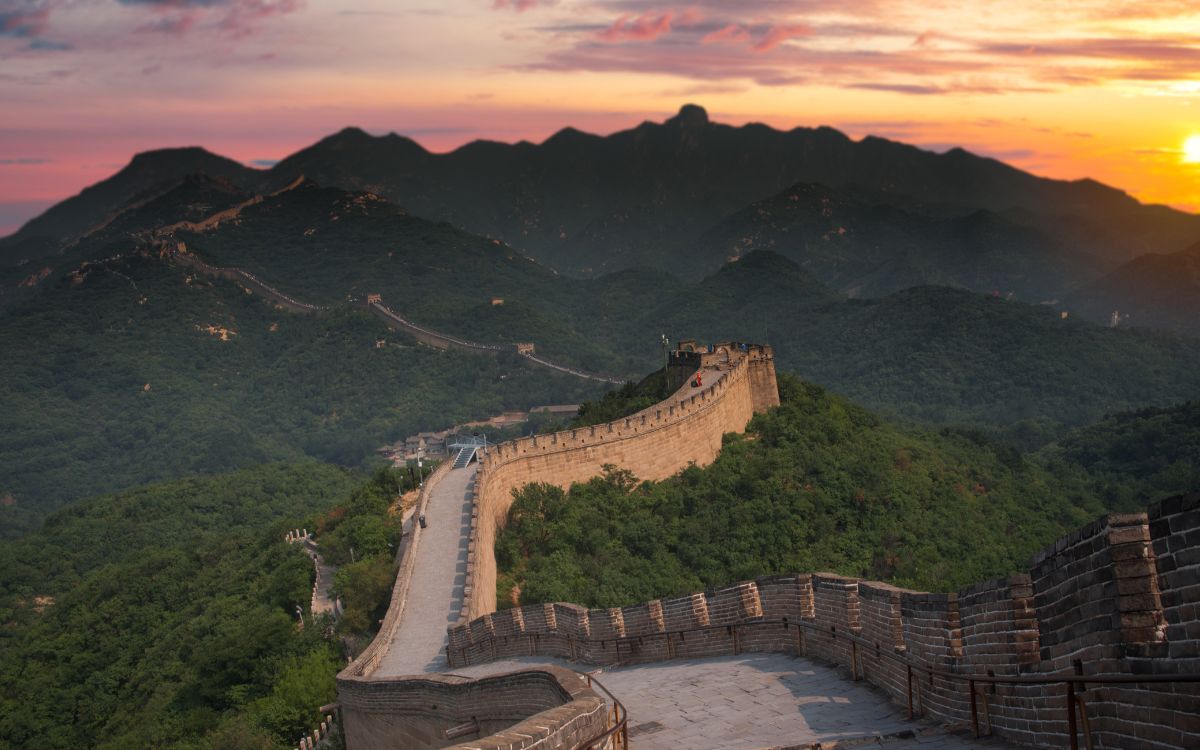
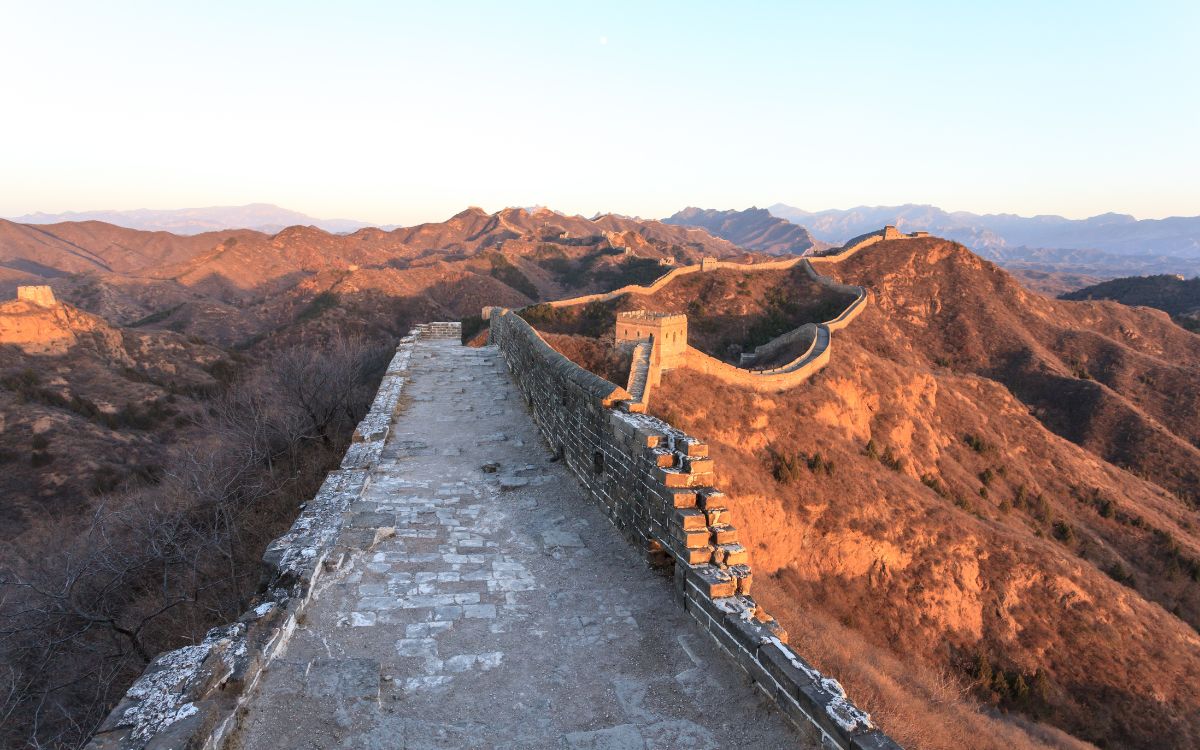
Known for its well-preserved condition and breathtaking scenery, Jinshanling offers an excellent hiking experience along the Great Wall.

The starting point for the Jinshanling-East Gate Hike is usually at the Jinshanling entrance, which is accessible by car or bus.

The hike covers a distance of around 8 kilometers (6.2 miles) and takes approximately 4-5 hours to complete, depending on your pace and stops along the way.

Jinshanling holds great historical significance as it was first constructed during the Ming Dynasty (1368-1644) and later expanded in the 16th century.

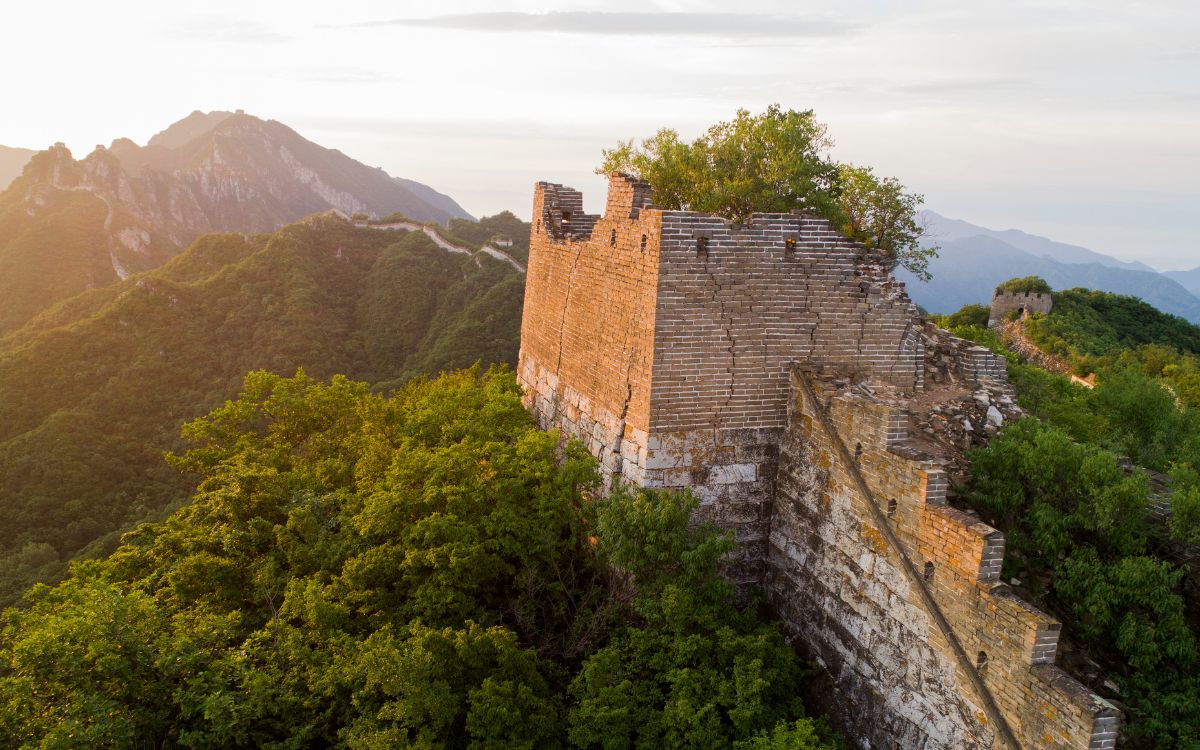
The wall is characterized by its robust architectural design, featuring a combination of brick and stone materials.
Compare Hikes: Jinshanling-East Gate Hike VS. Jiankou-Mutianyu Hike

The Jinshanling section is renowned for its strategic defensive features, including

  • watchtowers,
  • battlements,
  • and beacon towers,

which were used for military communications.

Apart from its historical significance, the Jinshanling section of the Great Wall offers stunning natural beauty and scenic surroundings.

The hike allows you to witness

  • rolling hills,
  • lush greenery,
  • and panoramic views of the surrounding countryside.

You’ll also encounter various watchtowers and fortifications that dot the landscape, providing excellent vantage points to admire the picturesque scenery.

This section has also gained popularity among professional photographers who are drawn to its captivating beauty, especially during moments like sunset and sunrise.

You’ll find numerous stunning pictures of Jinshanling in magazines, websites, and other media.

Overall, the Jinshanling-East Gate Hike offers a unique opportunity to explore one of the best-preserved sections of the Great Wall while immersing yourself in its rich historical significance and enjoying the captivating beauty of the natural surroundings.
Compare Hikes: Jinshanling-East Gate Hike VS. Jiankou-Mutianyu Hike

Duration: 1 day
Distance: 7-8 km
Terrain: Rolling to hilly
Min altitude: 327m
Max altitude: 589m
Physical rating: Moderate
Closest town: Luanping county, Hebei province
Start/Finish: This is one-way hike between Jinshanling and East Gate. Both ends are accessed by vehicle.

Find out more | Book online

compare-hikes-great-wall-of-china

Jinshanling Great Wall Tickets & Booking Information

Tickets for Jinshanling Great Wall are usually priced at around CNY 50–65 per person, with slight seasonal adjustments from time to time.

For convenience, many overseas visitors choose to purchase their tickets in advance through Trip.com, which is generally one of the easiest booking options.

You may also buy tickets on arrival at the scenic area, but it is advisable to book ahead during weekends, holidays, and other peak travel periods.

Compare Hikes: Jinshanling-East Gate Hike VS. Jiankou-Mutianyu Hike

Overview of Jiankou-Mutianyu Hike

The Jiankou section of the Great Wall is located in Huairou District, about 73 kilometers (45 miles) north of Beijing, China.

It is renowned for its

  • rugged terrain,
  • steep slopes,
  • and wild beauty,

making it a popular destination for adventurous hikers.

The Jiankou-Mutianyu Hike typically starts from the Xizhazi viallage and ends at the Mutianyu section of the Great Wall.

The distance covered during this hike is approximately 8 kilometers (6.2 miles), and it usually takes around 4-5 hours to complete, depending on the hiker’s fitness level and pace.

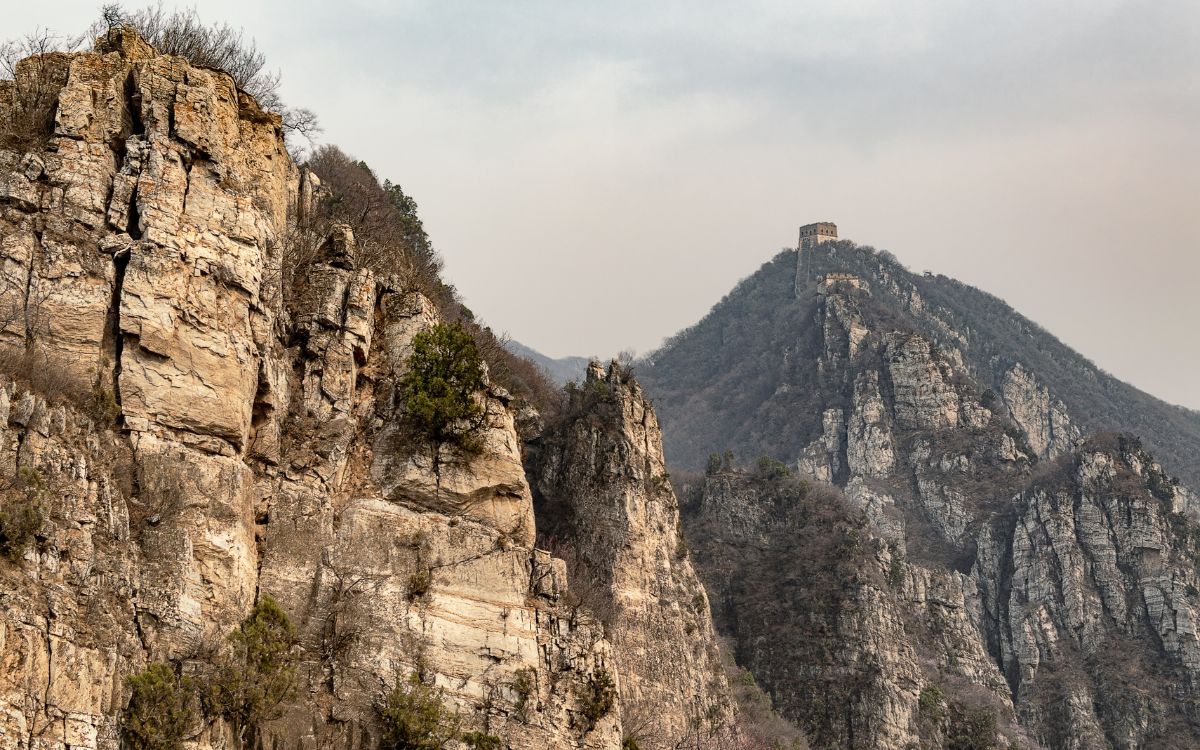
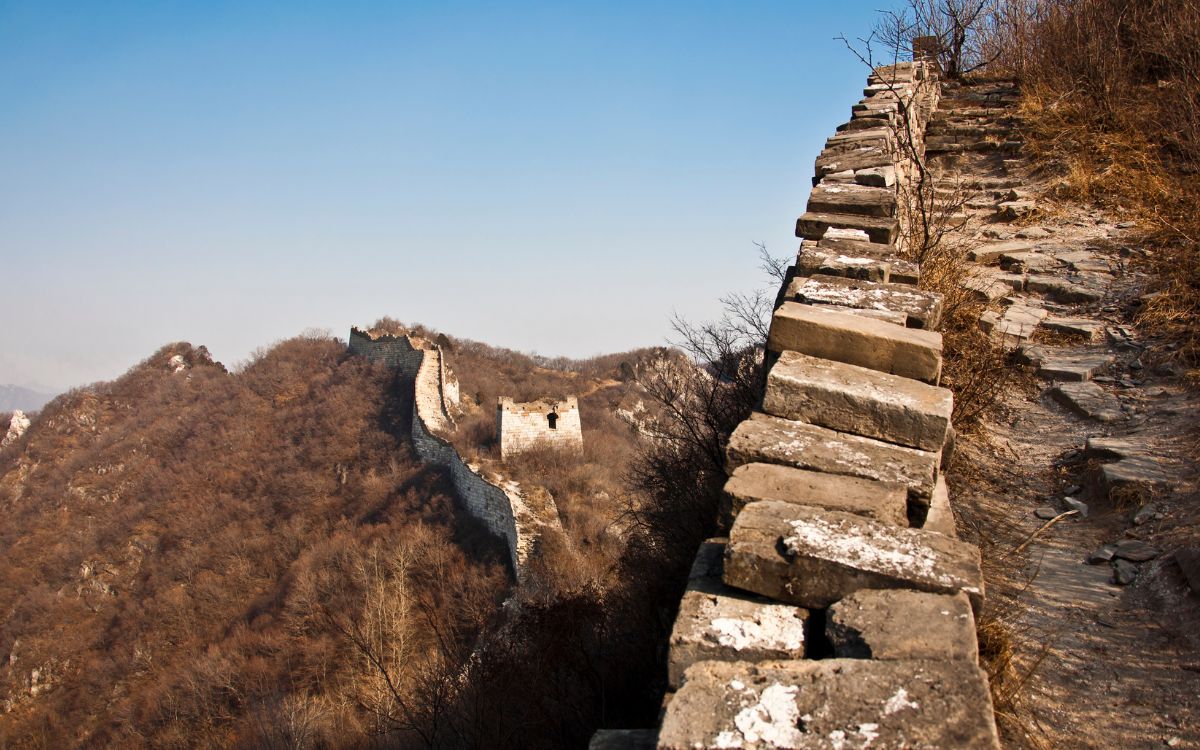
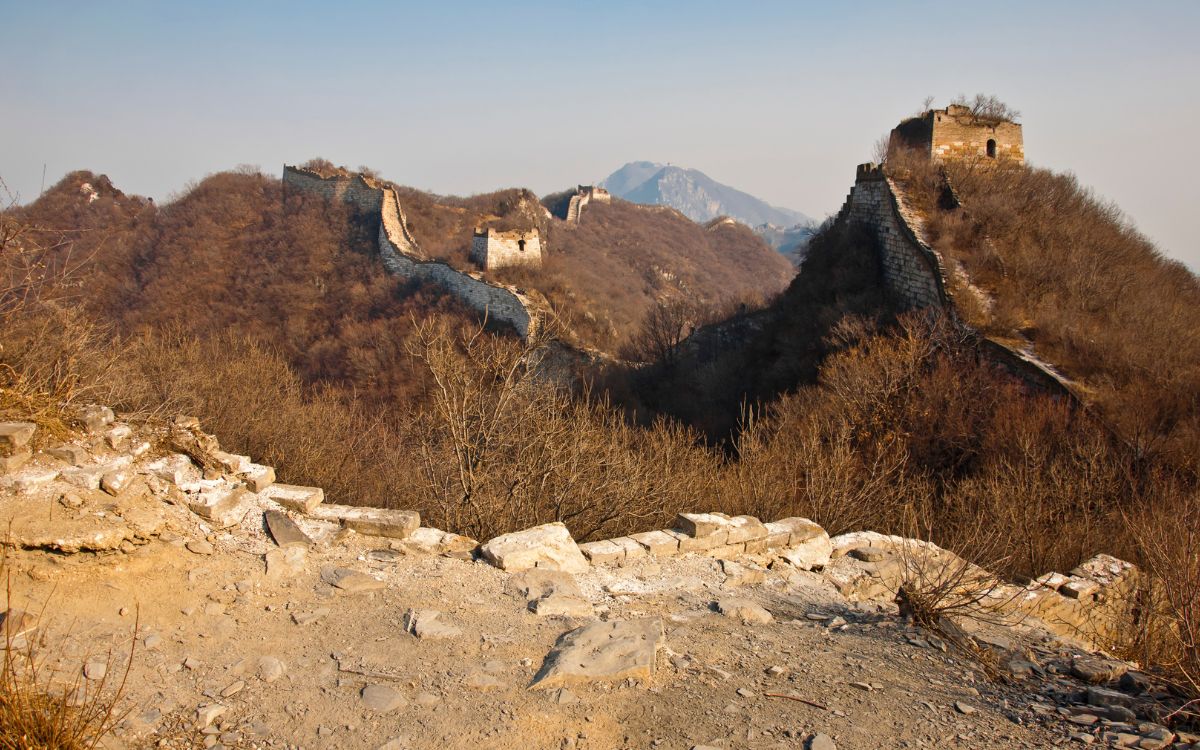
The Jiankou section is known for its distinct characteristics, including its untouched and unrestored state.

Unlike other sections of the Great Wall that have undergone significant renovations, Jiankou retains its original appearance, showcasing the weathered and crumbling beauty of the ancient structure.

The steep gradients and jagged cliffs of Jiankou add to its unique allure but also make it a challenging hike, requiring some level of physical fitness and hiking experience.
Compare Hikes: Jinshanling-East Gate Hike VS. Jiankou-Mutianyu Hike

Throughout the Jiankou-Mutianyu Hike, you’ll encounter several notable features, including the famous “Zhengbeilou tower” (or “North Sharp Tower”) and the “Ox Horn Edge.”

These architectural marvels offer breathtaking views and are popular spots for photography enthusiasts due to their stunning vistas of the surrounding mountains and valleys.

The trail from Jiankou to Mutianyu is known for its picturesque views and photo opportunities.

You’ll witness

  • panoramic landscapes,
  • dense forests,
  • and captivating natural scenery

as you traverse along the winding path of the Great Wall.

The Mutianyu section, where the hike concludes, is a well-preserved segment with restored sections and amenities such as

  • cable cars,
  • chair lifts,
  • and a toboggan slide,

providing a convenient way to descend from the wall.

In summary, the Jiankou-Mutianyu Hike offers a thrilling and rewarding adventure, allowing you to experience the rugged beauty of the Jiankou section while enjoying the scenic views and photo opportunities along the trail.
Compare Hikes: Jinshanling-East Gate Hike VS. Jiankou-Mutianyu Hike

Duration: 1 day
Distance: 7-8 km
Terrain: Rolling to hilly
Min altitude: 331m
Max altitude: 978m
Physical rating: Moderate
Closest town: Huairou district
Start/Finish: This one-way hike starts at Jiankou and ends at Mutianyu. Both ends are serviced by vehicle.

Find out more | Book online

Comparing the Hiking Experiences

Ready to lace up your boots for an exhilarating trek into the world of hiking?

Let’s journey together through diverse terrains as we compare distinct hiking experiences from around the globe.

1. Difficulty Level and Physical Demands:

When it comes to the difficulty level and physical demands of the hikes, there are some differences between the Jinshanling-Simatai West Hike and the Jiankou-Mutianyu Hike.

  1. Jinshanling-East Gate Hike: The Jinshanling-East Gate Hike is considered moderately challenging. It involves hiking along well-preserved sections of the Great Wall with varying terrain. The trail consists of both uphill and downhill stretches, as well as some steep and uneven steps. Hikers should have a moderate level of fitness and endurance to complete this hike comfortably.
  2. Jiankou-Mutianyu Hike: The Jiankou-Mutianyu Hike is known for its higher level of difficulty and physical demands. The Jiankou section, in particular, is rugged and less restored, featuring steep inclines and sections with loose rocks. Hikers should be experienced and physically fit, as this hike requires traversing challenging terrain that may involve scrambling and careful footing.
Compare Hikes: Jinshanling-East Gate Hike VS. Jiankou-Mutianyu Hike

2. Scenic Beauty and Photographic Opportunities:

Both the Jinshanling-East Gate Hike and the Jiankou-Mutianyu Hike offer remarkable scenic beauty and ample opportunities for photography.

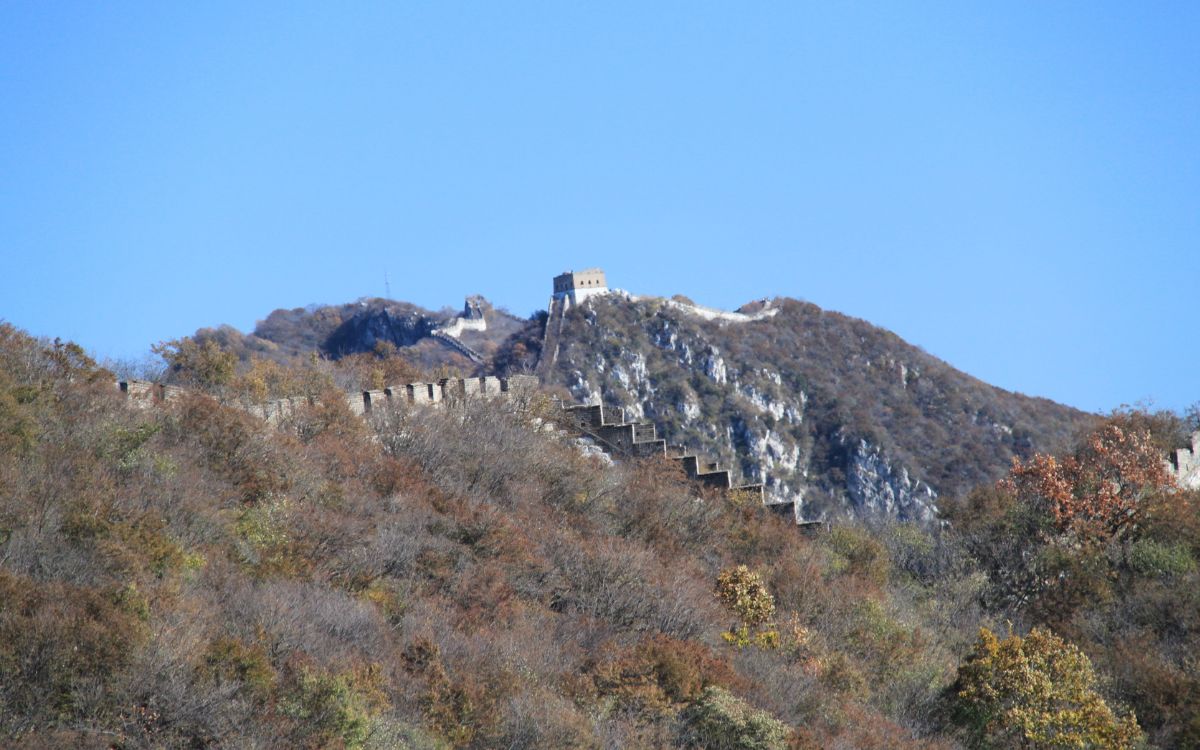
  1. Jinshanling-East Gate Hike: The Jinshanling-Simatai West Hike presents captivating vistas throughout the trail. Hikers can enjoy breathtaking panoramic views of rolling hills, lush greenery, and the surrounding countryside. The well-preserved watchtowers and fortifications along the route add to the scenic appeal and provide great photo opportunities to capture the ancient architecture against the stunning natural backdrop.
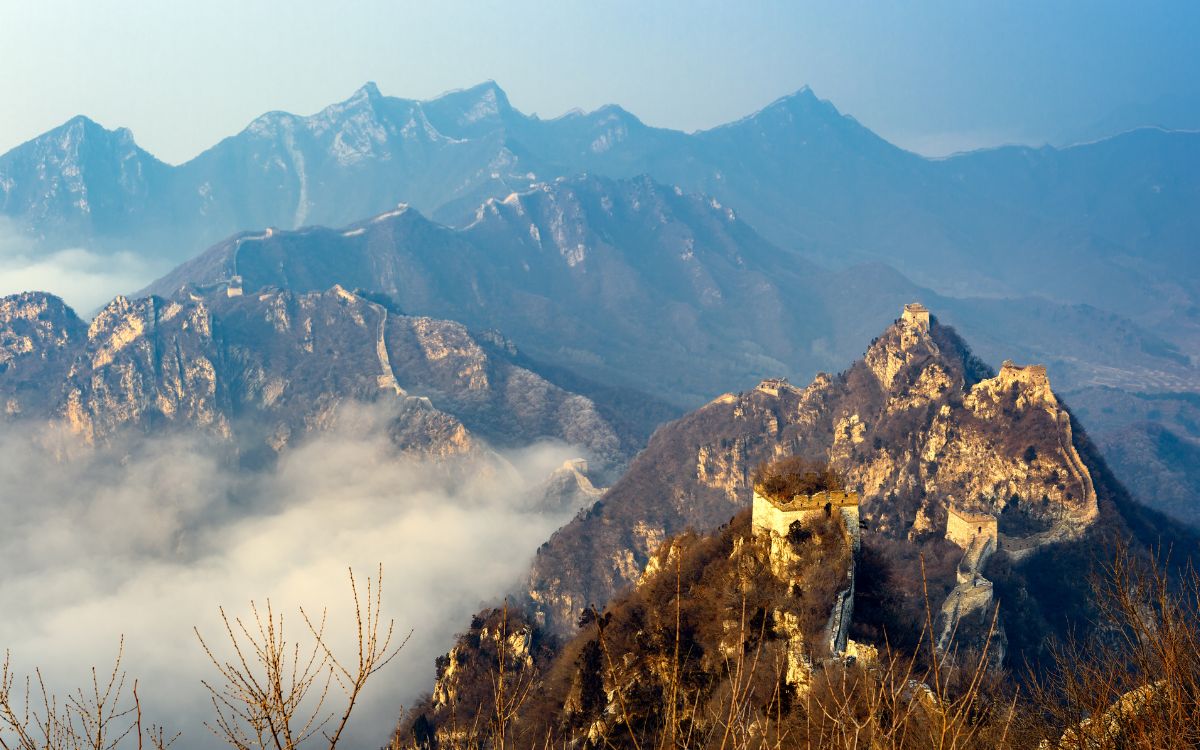
  2. Jiankou-Mutianyu Hike: The Jiankou-Mutianyu Hike also offers spectacular views that are highly favored by photography enthusiasts. The rugged terrain and unrestored sections of the Jiankou portion create a dramatic and picturesque setting. Hikers can capture awe-inspiring shots of the Great Wall snaking along steep ridges, surrounded by lush forests and breathtaking mountain vistas. The Mutianyu section, with its restored segments and panoramic landscapes, also provides opportunities for capturing the beauty of the Great Wall in a more accessible and well-maintained environment.

In conclusion, while both hikes offer scenic beauty and photographic opportunities, the Jinshanling-East Gate Hike is moderately challenging, suitable for hikers with a moderate level of fitness, while the Jiankou-Mutianyu Hike is more demanding and requires experienced hikers.

Each hike provides its own unique charm and stunning views of the Great Wall and its surroundings.
Compare Hikes: Jinshanling-East Gate Hike VS. Jiankou-Mutianyu Hike

Comparison of Historical Significance

Casting light on the annals of time, let us embark on an enlightening exploration of historical significance.

Through this comparative analysis, we aim to offer a fresh perspective on the events and figures that have indelibly shaped our world.

1. Historical Significance of Jinshanling-East Gate Hike:

The Jinshanling section of the Great Wall holds great historical significance, playing a crucial role in Chinese history.

  1. Role of Jinshanling in Chinese History: Jinshanling served as a strategic defensive outpost during ancient times. Its construction began during the Ming Dynasty and was further expanded in the 16th century. The Great Wall at Jinshanling played a vital role in protecting the northern borders of China and defending against invasions from nomadic tribes. It served as a crucial line of defense and a communication hub, allowing for efficient military operations and safeguarding the safety and stability of the region.
  2. Historical events associated with East Gate: Simatai West, located within the Jinshanling section, is known for several historical events. During the Ming Dynasty, it was a crucial checkpoint for trade and transportation between Beijing and northeastern China. The section witnessed numerous battles and conflicts, leaving behind a rich historical legacy.
Compare Hikes: Jinshanling-East Gate Hike VS. Jiankou-Mutianyu Hike

2. Historical Significance of Jiankou-Mutianyu Hike:

The Jiankou-Mutianyu Hike also encompasses historically significant sections of the Great Wall, with each part contributing to the narrative of Chinese history.

  1. Jiankou’s historical importance in the Great Wall’s narrative: Jiankou, an unrestored and rugged section of the Great Wall, played a crucial role in the defense system of ancient China. Its construction dates back to the Ming Dynasty, and it was strategically positioned to provide a barrier against invaders from the north. The section witnessed significant military engagements and symbolizes the determination and resilience of the Chinese people in protecting their homeland.
  2. Role of Mutianyu in the history of the Ming Dynasty: Mutianyu, located towards the end of the Jiankou-Mutianyu Hike, has its own historical significance. It was initially built during the Northern Qi Dynasty (550-577) and later reconstructed and fortified during the Ming Dynasty. Mutianyu served as a vital defense outpost, with its strategic location and well-designed structures facilitating effective military operations. It played a significant role in safeguarding Beijing and the imperial capital during the Ming Dynasty.

In summary, both the Jinshanling-East Gate Hike and the Jiankou-Mutianyu Hike encompass sections of the Great Wall that hold immense historical significance.

Jinshanling played a critical role in defending China’s northern borders, and witnessed historical events during the Ming Dynasty.

Jiankou represents the resilience of the Chinese people, and Mutianyu played a crucial role in protecting the imperial capital during the Ming Dynasty.
Compare Hikes: Jinshanling-East Gate Hike VS. Jiankou-Mutianyu Hike

Practical Considerations

When planning the hikes on the Jinshanling-Simatai West and Jiankou-Mutianyu sections of the Great Wall, there are several practical aspects to consider for a smooth and enjoyable experience.

Transportation Options:

To reach Jinshanling or Simatai West for the Jinshanling-Simatai West Hike, you can

  • hire a private car,
  • take a taxi,
  • or join a guided tour from Beijing.

It’s advisable to arrange transportation in advance to ensure a convenient journey.

For the Jiankou-Mutianyu Hike, transportation options include

  • hiring a private car,
  • taking a taxi,
  • or joining a guided tour from Beijing.

There are also public buses available from Dongzhimen Transportation Hub in Beijing to Huairou, from where you can hire a local driver or taxi to reach the Jiankou trailhead.

Entrance Fees and Opening Hours:

Both Jinshanling and Jiankou sections require separate entrance fees.

It’s important to check the official ticket prices and opening hours, as they may vary depending on the season and local regulations.

WSimilarly, Mutianyu also has entrance fees that cover access to the Great Wall.

Best Seasons and Weather Conditions:

The best seasons for hiking on the Great Wall are spring (April to June) and autumn (September to November).

During these times, the weather is generally pleasant, with mild temperatures and beautiful foliage.

Summer (July to August) can be hot and crowded, while winter (December to February) brings cold temperatures and the possibility of snow and ice, making hiking more challenging.

Checking the weather forecast before your hike is advisable to ensure suitable conditions.
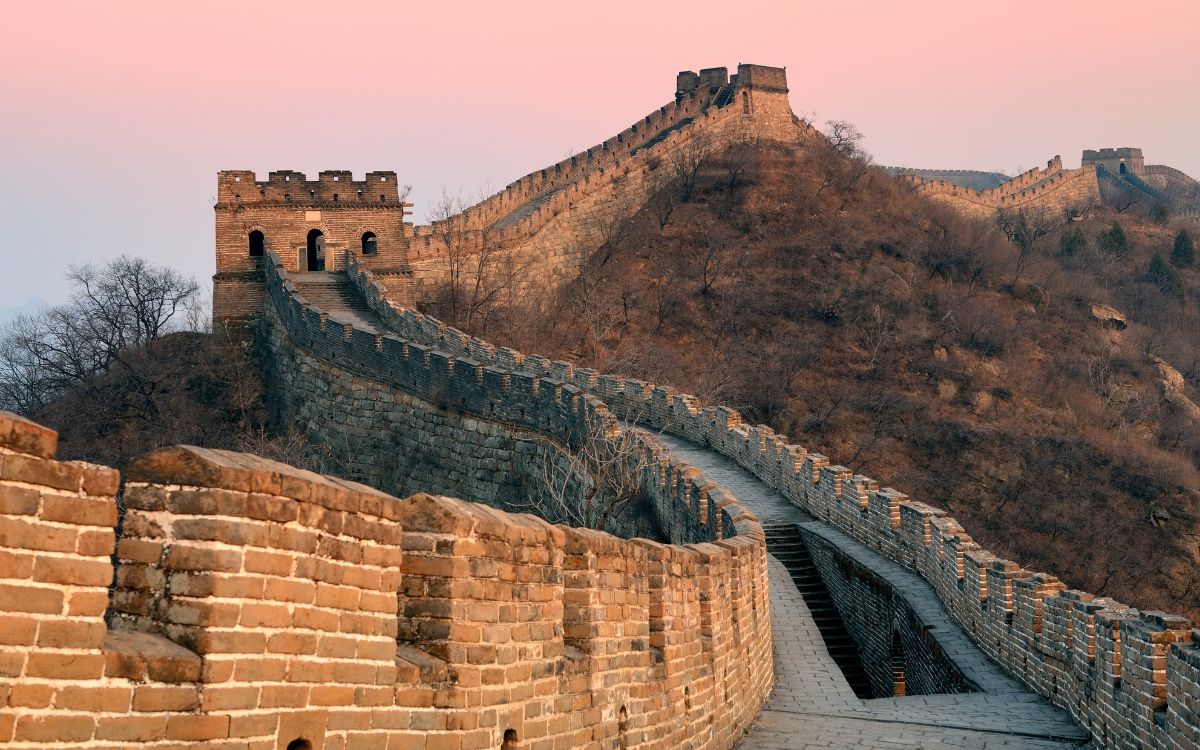
Compare Hikes: Jinshanling-East Gate Hike VS. Jiankou-Mutianyu Hike

Summary of the Jinshanling-East Gate Hike:

The Jinshanling-East Gate Hike offers a unique opportunity to explore one of the best-preserved sections of the Great Wall while immersing yourself in its rich historical significance and enjoying the captivating beauty of the natural surroundings.

Highlights of this hike include

  • well-preserved watchtowers and fortifications,
  • picturesque scenery,
  • and excellent vantage points for admiring the views.

The hike is moderately challenging, suitable for hikers with a moderate level of fitness.

Summary of the Jiankou-Mutianyu Hike:

The Jiankou-Mutianyu Hike provides an adventurous and rewarding experience, allowing you to witness the rugged beauty of the Jiankou section and the spectacular views along the trail.

Jiankou is known for its challenging and less restored terrain, while Mutianyu offers a mix of restored segments and panoramic landscapes.

This hike requires experienced hikers due to its difficulty level and physical demands.

Frequently Asked Questions (FAQs):

Q: Which hike is more suitable for beginners?

A: The Jinshanling-East Gate Hike is generally more suitable for beginners due to its moderately challenging nature and well-preserved sections.

Q: Are there any accommodation options along the routes?

A: Accommodation options near Jinshanling and Mutianyu are available, ranging from guesthouses to hotels.

However, it’s advisable to check availability and make reservations in advance.

Q: Is it possible to do both hikes in a single trip?

A: Yes, it is possible to do both hikes in a single trip if you have sufficient time and physical fitness.

However, it’s important to plan and allocate enough time for each hike.

Q: How long does each hike typically take to complete?

A: The Jinshanling-East Gate Hike typically takes around 4 to 5 hours to complete, depending on the pace of the hikers.

The Jiankou-Mutianyu Hike can take around 4 to 5 hours or more, considering the challenging terrain and distance.

Q: Are there any guided tour options available?

A: Yes, there are guided tour options available for both hikes.

Joining a guided tour can provide convenience, local expertise, and additional insights into the history and significance of the Great Wall.

Q: What are the best seasons to undertake these hikes?

A: The best seasons for these hikes are spring (April to June) and autumn (September to November) when the weather is pleasant, and the landscapes are at their most vibrant.

Q: Are there any safety precautions to consider before hiking?

A: Before hiking, it’s important to wear appropriate footwear and clothing, carry sufficient water and snacks, and apply sunscreen.

It’s also advisable to inform someone about your hiking plans and check the weather conditions beforehand.

Q: Can I visit the Great Wall without hiking?

A: Yes, it is possible to visit certain sections of the Great Wall without hiking.

Some sections have cable cars or other means of transportation that allow visitors to access the wall directly.

Compare Hikes: Jinshanling-East Gate Hike VS. Jiankou-Mutianyu Hike

Conclusion

In conclusion, both the Jinshanling-East Gate Hike and the Jiankou-Mutianyu Hike offer unique experiences to appreciate the historical significance and natural beauty of the Great Wall.

Whether you prefer the moderately challenging Jinshanling section or the more rugged and adventurous Jiankou section, these hikes promise an awe-inspiring journey.

Jiankou and Jinshanling attract photographers and experienced hikers.

They provide classic Great Wall hiking experiences with stunning scenery.

Jiankou offers wild beauty and a sense of isolation, while Jinshanling combines historical significance with picturesque landscapes.

Jiankou’s ruggedness and overgrown paths make it a more challenging and less touristy option.

Mutianyu, on the other hand, tends to have more visitors, especially on weekends.

Jiankou can be a complement to Jinshanling-East Gate, offering a trek through the wilderness.

Choose the hike that suits your preferences and enjoy the breathtaking views and unique experiences each has to offer.

Are you contemplating a journey to the awe-inspiring walls of Jinshanling, Jiankou, or Mutianyu?

Delve into our informative and engaging posts for insight:


How Hard Is the Jinshanling to East Gate Hike? Find Out!

Jinshangling, China - March 19, 2013: A group of tourists ascending a steep section of the Great Wall Of China between Jinshangling and Simatai. A group hiking up a challenging section of the Great Wall of China.

How Hard Is it to Hike From Jinshanling Great Wall of China to East Gate

Explore Jinshanling: Great Wall Hike to East Gate Insights

If you’re seeking breathtaking landscapes in a serene setting, coupled with a day of invigorating exercise, the Great Wall one-day hike from Jinshanling to East Gate (Simatai West) is the perfect choice for you.

Embark on a journey from one historic tower to another, culminating at tower 22 (Simatai West / East Gate), as Simatai East is closed.

Throughout your trek, marvel at the unparalleled scenery and striking vistas of the Wall.

The effort is truly rewarding!

Jinshanling Great Wall of China -Simatai West Map

Jinshanling map

Jinshanling Great Wall Tickets & Reservation

Jinshanling Great Wall tickets generally cost between CNY 50 and 65 per person, depending on the travel season.

For a smoother visit, many international guests prefer to reserve their tickets in advance via Trip.com, as the platform is straightforward and convenient to use.

Tickets can also be purchased at the entrance on the day of travel, but booking ahead is usually the better choice during weekends, public holidays, and other busy dates.

Jinshanling Hike Difficulty & Distance

The hike is considered moderate in difficulty and covers approximately 7-8 kilometers (4-5 miles) with a vertical ascent of 200 meters (660 feet).

This journey offers a unique blend of well-trodden paths and rugged terrain.

While the trail is mostly well-formed and easy to follow, be prepared for some challenging sections, including vertical steps, uneven surfaces, and dilapidated towers.

This demanding hike along Jinshanling’s Great Wall, with its crumbling stairs and deteriorating walls, is far from a leisurely stroll on a level path.

A Guided Experience Tailored for You

Our one-day Great Wall hike from Jinshanling to Simatai West is designed to immerse you in the awe-inspiring beauty of this historic landmark.

This enjoyable and informative day trip allows plenty of time to pause, take in the views, and capture memorable photos while learning about the Great Wall’s rich history.

Throughout your adventure, a knowledgeable guide will be available to assist and support you.

A Relaxed & Enjoyable Pace

There is absolutely no pressure to keep up a specific pace or rush through the hike—it’s not a race!

Our goal is to create a comfortable, engaging, and unforgettable experience that allows you to explore at your own pace while fully appreciating this remarkable journey.

how-hard-to-walk-the-great-wall-of-chinaHow Fit I Should Be

The hike from Jinshanling to Simatai West typically takes between 3 and 5 hours to complete, depending on your pace.

While the trek is moderate-rated and suitable for beginners, it does require a reasonable level of fitness.

Experienced hikers will find the journey manageable, and children often excel thanks to their flexibility and adaptability.

Adults may take a bit longer, and if you’re in your 50s or older, it’s advisable to pace yourself and take breaks to enjoy the breathtaking views that make your effort worthwhile.

Is This Hike Right for You?

Please note that this hike may not be suitable for individuals with disabilities, as some sections of the wall are steep and require reliable footing.

While the trail is not overly strenuous, some areas have eroded surfaces, missing steps, and rugged terrain, so wearing appropriate hiking boots is essential.

If you prefer a simpler experience of the Great Wall, consider visiting the Badaling or Mutianyu sections, which have easier access and smoother paths.

However, if you’re up for a day of hiking away from crowded tourist spots, the relaxed-paced hike from Jinshanling to Simatai West is an excellent choice.

Tips for a Smooth Trek

To prepare for the hike, we recommend wearing sturdy walking shoes and using walking poles for added support.

Carry plenty of water and make sure you’re comfortable walking for 3 to 4 hours at an easy pace, with breaks along the way.

If possible, practice hill walking at home to prepare your knees for the challenge.

Along the way, you’ll encounter stunning views of the surrounding countryside and the Great Wall snaking across the landscape.

Make sure to take plenty of breaks for photos and rest, and enjoy the journey at your own pace.

While you may experience sore leg muscles for a couple of days after the trek, the sense of accomplishment and the memories you create will be truly gratifying.

A section of the Great Wall of China at Jinshanling in northeast China. The Jinshanling section of the wall was built around 1570 during the Ming Dynasty.

How Hard Is it to Hike From Jinshanling Great Wall of China to East Gate

Hiking Seasons and Weather

The best time to hike the Jinshanling to Simatai West (East Gate) trail is from March to November.

During these months, the weather is pleasant and the scenery is at its best.

However, the weather can be unpredictable, so it’s essential to check the weather forecast before you start your hike.

Best Time to Hike Jinshanling to East Gate

It’s best to start early in the morning, around 9-10 AM.

This will give you enough time to complete the trek before the day gets too hot or crowded.

Additionally, the early start will allow you to enjoy the hike at a more relaxed pace and take in the stunning views without feeling rushed.

It’s also worth noting that spring and fall are the best times to visit, as the weather is mild and the foliage is at its most colorful.

Summer can be quite hot and humid, while winter can be dangerous due to snow and ice.

Finally, it’s best to avoid hiking in the rain or snow, as the trail can become slippery and hazardous.

Cost: Admission fees for Jinshanling Great Wall is RMB 65 in spring, summer, and fall. RMB 55 in winter. Fees can be paid at each point.

Jinshanling travel guide

Accommodation Options

There are several accommodation options near the Jinshanling to Simatai West (East Gate) hiking trail, including hotels, hostels, and guesthouses.

Some hikers also choose to camp near the trail, but it’s essential to check the regulations and obtain the necessary permits before doing so.

Transportation Options

The Jinshanling to Simatai West (East Gate) hiking trail is located approximately 140 kilometers northeast of Beijing.

There are several transportation options available to get to the trail, including private cars, taxis, and buses. Some hikers also choose to hire a guide or join a tour group to get to the trail.

Jinshanling travel guide


Essential Items to Bring

To ensure a comfortable and safe hiking experience, it’s essential to bring the following items:

  • Hiking shoes
  • Sunscreen and sunglasses
  • Water bottle and snacks
  • Hat or cap
  • Insect repellent
  • First-aid kit
  • Camera or phone for photos

Tips for Hiking Jinshanling to Simatai West (East Gate)

To make the most of your hiking experience, consider the following tips:

  • Start early in the morning to avoid crowds and heat.
  • Stay hydrated by drinking plenty of water and carrying extra.
  • Wear appropriate clothing and shoes for the hike.
  • Take breaks as needed to rest and enjoy the scenery.
  • Follow the rules and regulations of the hiking trail.
  • Don’t litter or damage any part of the hiking trail.
Jinshanling travel guide


Safety Considerations

Hiking can be an enjoyable and rewarding experience, but it’s essential to take safety seriously.

Some safety considerations to keep in mind when hiking the Jinshanling to Simatai West (East Gate) trail include:

  • Always hike with a partner or group.
  • Carry a map, compass, or GPS device.
  • Be aware of your surroundings and any potential hazards.
  • Check the weather forecast before starting your hike.
  • Stay on the designated hiking trail and follow the regulations.

FAQs

1. What is the distance between Jinshanling and Simatai West (East Gate)?

The distance between Jinshanling and Simatai West (East Gate) is approximately 7-8 kilometers.

2. How long does it take to complete the Jinshanling to Simatai West (East Gate) hike?

The hike takes around 3-5 hours to complete.

3. What is the difficulty level of the Jinshanling to Simatai West (East Gate) hike?

The hike is considered to be moderate in difficulty level.

4. Is it possible to hike the Jinshanling to Simatai West (East Gate) trail without a guide?

Yes, it is possible to hike the trail without a guide, but it’s essential to follow the regulations and stay on the designated hiking trail.

5. Are there any safety concerns for hikers on the Jinshanling to Simatai West (East Gate) trail?

Some safety considerations to keep in mind when hiking the trail include hiking with a partner or group, carrying a map or GPS device, and staying aware of your surroundings and any potential hazards.

Jinshanling travel guide


Conclusion

The Jinshanling to Simatai West (East Gate) hiking trail is a moderate-level hiking route that offers stunning views of the Great Wall and the surrounding countryside.

With proper preparation, it can be an enjoyable and memorable hiking experience.

Remember to check the weather forecast, bring the essential items, and follow the rules and regulations of the hiking trail.

Explore Jinshanling & Beyond

Planning a visit to the Jinshanling Great Wall or the charming landscapes surrounding it? Delve into our informative and engaging posts for insight:

Request an Itinerary / Quote

If you are interested in requesting any tours, please submit your request using the form below. Please include as much information as you can to help us give you the best and quickest service possible.
If you have any questions, please contact +86 185 1025 4530 via  Whatsapp / phone / Wechat / Skype for additional information.

What Are the Most Popular Sports in China? | Top 7

Most Popular Sports in China

the Most Popular Sports in China

Explore China’s Sporting Triumphs: Top 7 Picks!

China is not only famous for the Great Wall and giant pandas, but it is also a country with a deep love for sports.

For thousands of years, sports have been an essential part of Chinese culture.

From traditional games played hundreds of years ago to the modern sports we see today, China has a wide variety of exciting activities that keep people healthy and entertained.

Ancient Chinese Sports

Did you know that sports in China are ancient, just like its culture?

Chinese history is filled with unique sports that were played in the olden days.

A couple of examples include Cuju, a game that is similar to soccer, and martial arts like Kung Fu.

These sports have played a significant role in shaping Chinese society, bringing people together, and promoting physical fitness.

Traditional Sports in China

In China, traditional sports are still very popular today.

These include activities like Tai Chi, a slow-motion exercise that helps people relax and focus, and Qigong, another traditional Chinese exercise that combines movements with meditation.

Also, we can’t forget about Dragon Boat Racing, a water sport where teams paddle in boats decorated like dragons!

Most Popular Sports In China
the Most Popular Sports in China

Sports Invented in China

China has a long and rich history of sports, many of which are still played today.

Some of the most popular sports invented in China include:

  • Bamboo kayaking: It’s a water sport where participants paddle a canoe, typically made from bamboo, on rivers or lakes.
  • Top spinning: A traditional game involving spinning a toy top, with the goal of keeping it spinning for as long as possible.
  • Dragon boat racing: Teams paddle in boats designed like dragons and compete to cross the finish line first.
  • Firework-catching: A daring activity where participants aim to catch launched fireworks using buckets or nets.
  • Stilt racing: A competitive race where participants balance on long sticks, or stilts, and try to outrun each other.
Most Popular Sports in Chinathe Most Popular Sports in China
  • Wushu (Chinese Kungfu): A form of martial arts from China that blends physical exercise with mental discipline.
  • Jianshu (swordplay): The art of sword usage in martial arts, involving both attack and defense techniques.
  • Tai Chi softball: A game that merges the gentle movements of Tai Chi with the actions of hitting and catching a softball.
  • Pearl ball: A team sport resembling volleyball but with a high ring as the goal for throwing the ball.
  • Playing kite: The act of flying a kite, a lightweight structure made from fabric and sticks, controlled by a long string from the ground.
  • Chinese chess (XiangQi): A strategy board game much like Western chess, but with unique pieces and rules.
Most Popular Sports in China
the Most Popular Sports in China
  • Shuttlecock: A game where participants kick a weighted object with feathers, similar to hacky sack.
  • Racing board shoes: A racing sport where competitors wear special shoes attached to a board and race to the finish line.
  • Bun scrambling: A unique sport where participants climb a tower of buns, racing to grab as many as possible.
  • Lion dance: A traditional Chinese dance involving performers mimicking a lion’s movements in a lion costume.
  • Zang style tug-of-war: A version of tug-of-war from the Zang ethnic group in China, involving a large number of participants and a longer rope.
  • Jianzi: This is a game similar to hacky sack. It involves keeping a small, weighted ball in the air by kicking it with the feet.
Most Popular Sports In China

the Most Popular Sports in China

Understanding the Chinese Sports Culture

Bridging the gap between understanding Chinese sports culture and general sports culture in China helps us appreciate the unique role sports play in the society.

It’s a blend of tradition and modernity, where ancient practices coexist with contemporary games, shaping a culture that deeply values health, unity, and personal growth.

General Sports Culture In China

In China, sports are not just games; they’re a way of life.

The Chinese people believe that sports

  • improve health,
  • build character,
  • and create unity.

That’s why you’ll see people of all ages involved in sports, whether it’s kids

  • playing basketball in school,
  • adults doing Tai Chi in the park,
  • or seniors practicing Qigong at home.

Government Policies Related to Sports

The Chinese government understands the importance of sports too.

They have policies to encourage people to play sports and stay active.

They even invest a lot in training athletes to compete in international competitions.

This shows how much value the Chinese society places on sports and physical fitness.

Most Popular Sports in China

the Most Popular Sports in China

The Impact of Major International Sporting Events

Major sporting events like the Olympics and the FIFA World Cup have a big impact on sports in China.

When these events happen, they spark a lot of excitement and inspire more people to take part in sports.

Not to mention, China often does very well in these competitions, which makes the country proud and encourages even more participation in sports.

What is the National Sport of China?

Table Tennis, also known as Ping Pong, is the national sport of China.

Born in England, this fast-paced, strategic game has been warmly embraced by the Chinese.

Their national team, known for swift moves and precision, is internationally acclaimed.

The sport isn’t just a game—it’s a symbol of national pride and Chinese dedication to excellence.

Most Popular Sports in China
the Most Popular Sports in China

What are the Most Popular Sports in China?

While Table Tennis holds the crown, several other sports are incredibly popular in China.

Basketball has a massive following, especially among the younger generations.

Badminton is another beloved sport, thanks to its simplicity and the country’s global success.

Soccer, or Football as it’s known globally, is also followed passionately, despite the national team’s struggles on the international stage.

Volleyball and various martial arts forms, such as Kung Fu and Tai Chi, are also immensely popular.

Are Sports Popular in China?

Absolutely! Sports are a significant part of Chinese culture and daily life.

People from all walks of life engage in different sports activities, from children dribbling basketballs in schools to adults performing Tai Chi in parks, and seniors participating in Qigong at home.

The Chinese believe that sports not only keep you physically fit but also foster a sense of unity and build character.

Most Popular Sports in China

the Most Popular Sports in China

What Sport is China Known for?

While China is known for several sports, it stands out for its prowess in Table Tennis.

Chinese athletes dominate this sport on the international stage, which has earned China a reputation as a table tennis powerhouse.

Furthermore, traditional Chinese martial arts like Kung Fu and Tai Chi are globally recognized as quintessential elements of Chinese culture.

Which Sport is China Best at?

China shines brightest at Table Tennis, having produced numerous world champions.

China also excels at Badminton, consistently claiming top spots in international competitions.

Additionally, China’s athletes have made significant strides in

  • Gymnastics,
  • Swimming,
  • and Diving,

often clinching medals in the Olympics and other global events.

Most Popular Sports in China

Reasons for Sports Popularity

The popularity of sports in China can be attributed to various factors:

  • >Cultural Significance: Sports like Table Tennis, martial arts, and traditional exercises like Tai Chi are deeply woven into China’s cultural fabric.
  • Historical Relevance: Ancient sports like Cuju have evolved and influenced modern sports culture in China.
  • Government Support and Development Programs: The Chinese government has implemented policies to encourage participation in sports and has invested heavily in athlete development.
  • International Success and Global Recognition: China’s success in global sports events, such as the Olympics and World Championships, fuels national pride and further boosts sports popularity.
Most Popular Sports in China

the Most Popular Sports in China

Popular Sports in China: A Closer Look

China’s sports culture is rich and varied. Let’s take a closer look at some of the most popular sports in the country and what makes them so beloved.

1. Basketball

Basketball has seen a meteoric rise in popularity in China, especially in cosmopolitan cities like Shanghai.

Thanks to the influence of the NBA and players like Yao Ming, basketball has become a big part of urban culture.

Key events like the FIBA Basketball World Cup and the Chinese Basketball Association (CBA) league matches draw massive crowds.

Prominent teams like the Guangdong Southern Tigers and the Beijing Ducks, along with players like Yi Jianlian, have made significant contributions to the sport’s popularity.

2. Football (Soccer)

Football, globally known as soccer, enjoys widespread popularity in China, despite the national team’s modest success.

The Chinese Super League (CSL) features high-profile players, some earning hefty salaries.

With millions of registered players, grassroots participation in football is significant, demonstrating the sport’s bright future in the country.

Most Popular Sports in China

the Most Popular Sports in China

3. Badminton

Badminton holds a special place in the hearts of the Chinese.

It’s a sport that is easy to pick up and can be played anywhere, which contributes to its popularity among all age groups.

Key events like the BWF World Championships and the Sudirman Cup are widely followed.

China’s badminton players, such as Chen Long and Li Xuerui, have achieved great international success, further boosting the sport’s popularity.

4. Table Tennis

Table Tennis, or Ping Pong, is more than a national pastime in China—it’s a matter of national pride.

Played by people of all ages, it’s one of the most popular sports in the country.

Key events like the World Table Tennis Championships and the ITTF World Tour draw massive attention.

Chinese players dominate the sport globally, with champions like Ma Long and Ding Ning becoming household names.

Most Popular Sports in China

the Most Popular Sports in China

5. Esports

In the digital age, esports has emerged as a significant trend in China.

With its youthful population and rapidly developing tech industry, China is the perfect breeding ground for esports.

Events like the League of Legends World Championship and players like Uzi have gained international fame, putting China at the forefront of this digital sporting revolution.

6. Running

Running, particularly marathon running, has become a trend sport in China.

City marathons have attracted large numbers of participants, from competitive runners to those just aiming for a healthier lifestyle.

Events like the Beijing Marathon and Shanghai International Marathon have become notable fixtures on the global running calendar.

7. Martial Arts

Martial arts are an integral part of China’s cultural heritage.

Styles like Kung Fu and Tai Chi are not just sports but a philosophy teaching values such as self-respect, humility, and discipline.

Many Chinese participate in martial arts, either for self-defense, fitness, or as a form of meditation.

The global popularity of Chinese martial arts can be seen in their influence on movies and other forms of entertainment.

From traditional sports to emerging trends, China’s sporting culture offers something for everyone.

It showcases the country’s rich history and its modern aspirations, reflecting the diverse interests of its vast population.

China’s love for sports knows no bounds!

Most Popular Sports in China

the Most Popular Sports in China

Additional Sports in China

In addition to the most popular sports, there are plenty of other athletic activities that have captured the interest of Chinese people.

Let’s take a look at some of them.

Athletics

Athletics in China, especially track and field events, have produced many globally recognized athletes like Liu Xiang, the 110m hurdles Olympic Gold medalist.

China frequently hosts prestigious events such as the IAAF Diamond League.

Volleyball

Volleyball enjoys immense popularity in China, particularly women’s volleyball.

The Chinese Women’s National Volleyball Team has been extremely successful on the global stage, often clinching top spots in events like the FIVB Volleyball Women’s World Cup.

Swimming

Swimming is another sport in which China excels. Chinese swimmers often bring home medals from international events like the Olympics.

Stars like Sun Yang have made a significant impact on this sport.

Most Popular Sports in China

the Most Popular Sports in China

Tennis

Tennis, while not a traditional Chinese sport, has been steadily growing in popularity.

The success of players like Li Na, the first Asian Grand Slam singles champion, has boosted interest in the sport.

Cricket

Cricket, though not yet mainstream, has been growing due to efforts from the Chinese Cricket Association.

The focus is on developing local talent and promoting the sport, particularly in schools.

Golf

Despite the government’s mixed views on golf, the sport has grown in popularity among the affluent class.

China hosts several professional golf tournaments and has produced talented golfers like Li Haotong.

Most Popular Sports in China

the Most Popular Sports in China

Motor Racing

Motor racing, particularly Formula 1, has been growing in China.

The Chinese Grand Prix in Shanghai is a highlight of the racing calendar, and it’s attracting a burgeoning fanbase.

Rugby Union

Rugby Union is relatively new to China but is rapidly growing, with efforts to promote the sport at the school and university levels.

Wushu

Wushu, a full-contact sport derived from traditional Chinese martial arts, is quite popular.

It features in the Asian Games and is under consideration for future Olympic Games.

Boxing

Boxing in China has seen a surge in popularity following the success of Chinese boxers like Zou Shiming, a multiple-time world champion and Olympic Gold medalist.

Baseball

Although Baseball is more associated with Japan and the United States, China has a professional league, the China Baseball League, and participation is increasing at the youth level.

Most Popular Sports in China

the Most Popular Sports in China

Snooker

Snooker enjoys a significant following in China.

Chinese players like Ding Junhui have achieved global recognition, and the country frequently hosts international tournaments.

Hiking & Camping

China, with its varied terrain of mountains, forests, and coastlines, is an ideal place for hiking adventures.

The allure of nature and a growing interest in outdoor fun have made hiking and camping favorite activities for many Chinese people, providing a refreshing escape from city life and a chance to explore the country’s stunning scenery.

Canoeing and Kayaking

With China’s numerous rivers and lakes, canoeing and kayaking have seen growing interest, especially as outdoor adventure sports gain popularity.

Cycling

Cycling, both as a means of transport and a competitive sport, is popular in China.

The Tour of Guangxi is part of the UCI World Tour, and China has produced successful track cyclists like Zhong Tianshi, an Olympic gold medalist.

From traditional Chinese sports to global games, China’s sports landscape is vibrant and varied.

It’s exciting to see where this sports-loving nation will make its mark next!

Most Popular Sports in China

the Most Popular Sports in China

Winter Sports are Growing in China

With Beijing hosting the Winter Olympics in 2022, winter sports have seen a surge in interest and participation in China.

Skiing, snowboarding, and ice skating are becoming increasingly popular, especially among younger generations.

The government has also been encouraging the development of winter sports facilities and programs throughout the country.

Unpopular Sports in China

While many sports have flourished in China, some have struggled to gain traction.

Sports like American Football, Lacrosse, and Ice Hockey are still relatively unfamiliar to most Chinese people.

However, with ongoing exposure and educational efforts, these sports may gain popularity in the future.

Square Dancing: One of the Unique Sports in China

Square dancing, a group exercise often performed in

  • public squares,
  • parks,
  • and plazas,

is a unique sport in China, especially among the older population.

It’s a social activity that combines music, dance, and exercise and has become a common sight in many Chinese cities.

Most Popular Sports in China

the Most Popular Sports in China

FAQs About Sports in China

Q: Which is the national sport of China?

A: The national sport of China is table tennis, also known as ping pong.

Q: How do you say “sport” in Chinese?

A: Sport in Mandarin Chinese is translated as “运动” (yùndòng).

Q: The Top 7 Most Popular Sports in China

A: The top seven most popular sports in China include:

  1. Table Tennis (Ping Pong)
  2. Basketball
  3. Football (Soccer)
  4. Badminton
  5. Running
  6. Athletics (Track and Field)
  7. Martial Arts

Q: Why are martial arts significant in China?

A: Martial arts are significant in China because they’re deeply rooted in Chinese culture and history, promoting discipline, self-defense, and physical fitness.

Q: How popular is basketball in China?

A: Basketball is incredibly popular in China, thanks to the influence of the NBA and local leagues.

Many Chinese youths are passionate about basketball and follow both international and domestic games avidly.

Q: Are outdoor sports like hiking and camping popular in China?

A: Yes, outdoor sports like hiking and camping are gaining popularity in China.

The country’s diverse landscapes provide abundant opportunities for these activities, allowing people to enjoy nature and stay active.

Most Popular Sports in China

the Most Popular Sports in China

Final Words

o conclude, the top seven sports in China encompass a broad range of physical activities, including basketball, soccer, table tennis, badminton, swimming, running, and the culturally significant martial arts.

Each sport, in its unique way, reflects the Chinese values of competition, teamwork, and discipline.

These sports are not only about the games, but they are also about building character and a healthy lifestyle.

So whether it’s a swift ping pong rally or a serene Tai Chi session, sports are an integral part of life in China.


Xizhou Village: Top Attractions, Markets, and Local Life

dali xizhou village


Visit Xizhou Village for Traditional Bai Architecture

Step into Xizhou Village and discover a quieter side of Dali, where Bai culture, beautiful old homes, and peaceful countryside come together.

  • Bai Culture Alive
    Xizhou is one of the best places near Erhai Lake to experience Bai culture in a real and relaxed way. It is often seen as the most representative Bai town in the Dali area, where traditional life, local customs, and everyday village scenes are still easy to find.
  • Beautiful Old Homes
    The village is famous for its well-preserved Bai courtyard houses, with carved wood, painted walls, and elegant details. Walking through Xizhou feels like stepping into living history, with local markets, old streets, and classic homes that show the rich heritage of the Bai people.
  • Calm Local Charm
    Compared with Dali Ancient Town, Xizhou feels quieter, less crowded, and less commercial. With open fields, slower daily life, and plenty of great photo spots, it is a wonderful place for slow travel, culture lovers, and anyone who wants to see a more local side of Yunnan.

Fast Facts About Xizhou Village

Set between Erhai Lake and Cangshan Mountain, Xizhou Village is a peaceful place where old Bai homes, local food, and village life still feel real and full of charm.

  • Great Location
    Xizhou sits on the northern side of Erhai Lake, not far from Dali Ancient Town. It is easy to reach, but it feels much calmer and more local once you arrive. With mountain views on one side and open farmland on the other, the setting is part of what makes Xizhou so special.

  • Classic Highlights
    Xizhou is best known for its traditional Bai architecture, lively local markets, and famous Xizhou baba. Visitors can explore old courtyard homes, walk through quiet lanes, enjoy seasonal field views, and try simple local foods that are loved across the Dali area.

  • Easy to Enjoy
    Xizhou works well for either a half-day trip or a full-day visit. It is a great choice for cultural sightseeing, relaxed walking, and photography. If you want a place that feels less crowded and more connected to everyday local life, Xizhou is one of the best stops near Dali.

dali xizhou village


History of Xizhou Village

Behind Xizhou’s quiet lanes and old courtyard homes is a long story of trade, culture, and Bai life that still shapes the village today.

  • Long Past
    Xizhou is one of the oldest and most important Bai towns in the Dali region. Its history goes back more than a thousand years, with roots in the Sui and Tang periods and close ties to the Nanzhao Kingdom. Thanks to its location between Cangshan Mountain and Erhai Lake, it grew into an important place for settlement, exchange, and local culture.

  • Trading Town
    During the Yuan, Ming, and Qing dynasties, Xizhou became richer and more active through trade. It was closely linked to the Tea Horse Road, and powerful local families helped turn it into a major business center in Bai history. This period of growth gave the town wealth, influence, and a strong cultural identity that lasted for generations.

  • History in Stone
    Xizhou’s history can still be seen in its streets, homes, and landmarks today. Grand Bai courtyard houses, old shopfronts, and places like the Yan Family Compound and Sifang Street all reflect its prosperous past. The village is not only rich in history, but also full of living traditions, from tie-dye and folk crafts to local food and everyday customs.

Top Things to Do in Xizhou Village

Xizhou Village is one of the most charming places to visit near Dali, known for its traditional Bai architecture, peaceful countryside, and rich local culture.

Slower-paced and more authentic than Dali Ancient Town, it offers a wonderful mix of history, village life, local food, and scenic views.

Admire Bai Minority Architecture

In Xizhou, every old courtyard, carved doorway, and quiet lane tells a story about Bai life, family, and beauty.

  • Graceful Courtyards
    Xizhou is one of the best places to see traditional Bai courtyard homes. These houses are built around peaceful inner courtyards and follow classic layouts designed for family living, privacy, and balance. As you walk through the village, the mix of open space, order, and quiet charm makes the architecture feel both beautiful and deeply lived in.
  • Beautiful Details
    What makes Bai architecture so special is the care shown in every part of the home. Screen walls, gate towers, wood carvings, and painted decorations are not only lovely to look at, but also full of meaning. Flowers, birds, marble panels, and curved roof corners all add character and show the skill and pride of local craftsmen.
  • Historic Homes
    Xizhou’s old residences, once owned by merchant families and local elites, give visitors a closer look at this rich building tradition. Places like the Yan Family Compound and other historic homes show how Bai design combined daily life, fine craftsmanship, and even outside influences. Walking through these lanes and courtyards is one of the best ways to feel the spirit of old Xizhou.

Explore the Morning Market

Wake up early in Xizhou and step into a lively morning market filled with local food, fresh produce, and the everyday rhythm of village life.

  • Local Life First
    Xizhou’s morning market is one of the best places to see the village at its most real and active. Local people come here to buy vegetables, breakfast, milk, and daily essentials, making it much more than a place to shop. For visitors, it offers a simple and honest look at everyday Bai life.
  • Fresh Market Finds
    The market is full of colorful produce, local snacks, and useful household goods. You can walk past baskets of vegetables, hot street food, and stalls selling simple village items. It is a great place to taste Xizhou baba, try local breakfast dishes, and enjoy the busy but friendly atmosphere of the morning.
  • Best Time to Go
    The market is most lively in the early morning, especially from around 8:00 to 10:00 am. Going early lets you see more local activity, enjoy fresher food, and catch the market when it feels most full of life. It is one of the easiest and most rewarding ways to experience the real spirit of Xizhou.
dali xizhou village


Experience Bai Ethnic Culture

In Xizhou, Bai culture is not hidden in museums—it lives in the clothes, crafts, tea, and daily traditions you can still see and enjoy today.

  • Living Traditions
    Xizhou is a wonderful place to experience Bai culture in a way that feels real and welcoming. Traditional clothing, embroidered patterns, decorative arts, and local customs are still part of everyday life here. As you walk through the village, you can see how culture is woven into homes, food, festivals, and simple daily moments.
  • Hands-On Heritage
    One of the best ways to connect with Bai culture is by trying it for yourself. Tie-dye workshops are especially popular and give visitors a chance to make their own piece using natural indigo and traditional methods. Other hands-on activities, such as block printing, pottery, and paper crafts, also help bring Bai heritage to life in a fun and memorable way.
  • Tea and Meaning
    The Bai Three-Course Tea ceremony is one of the most meaningful local traditions. Each cup has its own taste and message, often seen as a symbol of life’s stages—first bitter, then sweet, and finally rich with a lasting aftertaste. More than just a drink, it is a warm expression of Bai hospitality and a beautiful way to understand local culture more deeply.

Walk Through Village Streets and Fields

In Xizhou, some of the best moments come from doing very little—just walking slowly through old lanes, open fields, and peaceful village scenery.

  • Charming Village Lanes
    Start around Sifang Street, then wander into the smaller lanes nearby. These quiet streets are lined with old Bai houses, local shops, and small courtyards full of character. As you walk, you can enjoy the slower pace of village life and notice the little details that make Xizhou feel warm, lived-in, and full of charm.
  • Peaceful Rural Views
    Beyond the village, Xizhou opens into wide fields that give the area its special beauty. Depending on the season, you may see golden wheat, green rice paddies, or broad open farmland stretching toward the horizon. Walking here feels calm and refreshing, and it is one of the best ways to enjoy Xizhou’s countryside setting.
  • Slow Seasonal Beauty
    Xizhou is a lovely place to visit in different seasons, with changing colors and rural scenes throughout the year. Spring and early summer bring fresh fields and soft light, while later months offer rich green or golden landscapes. For travelers who enjoy slow walks, quiet photos, and a more relaxed experience, this is one of the most rewarding parts of visiting Xizhou.
dali xizhou village


Best Time to Visit Xizhou Village

Visit Xizhou at the right time, and you will enjoy softer light, quieter streets, and a more relaxed feel throughout the village.

  • Best Seasons
    Spring and autumn are usually the best times to visit Xizhou. The weather is more comfortable, the views are often clearer, and the countryside looks especially beautiful. Spring brings fresh color to the fields, while autumn is known for its golden scenery and calm atmosphere.
  • Best Hours
    Early morning is one of the most rewarding times to explore Xizhou. The light is soft, the crowds are smaller, and the morning market is full of local energy. Late afternoon is also a lovely time to walk around, with warmer light that makes the old buildings and village lanes look even more beautiful.
  • Festival Atmosphere
    Visiting during local festivals can give you a richer sense of village life and culture. At the same time, these periods often bring more visitors and busier streets. If you prefer a quieter experience, weekdays outside holiday periods are usually the better choice.

How to Get to Xizhou Village

Getting to Xizhou is easy, and the short journey from Dali makes the village feel like a peaceful world of its own.

  • Easy Location
    Xizhou sits north of Dali Ancient Town, close to Erhai Lake, and it is one of the easiest day trips in the area. It also works very well as a stop on a wider Erhai Lake route. Because the distance is short, getting there is simple whether you want to save money, travel independently, or choose a more comfortable ride.
  • Budget Minibus
    For most travelers, the local minibus is the easiest and cheapest option. You can usually catch one near Cangshan Gate in Dali Ancient Town or from the parking area opposite March Street. The ride takes about 20 to 30 minutes and usually costs 7 to 10 RMB. These minibuses often continue to other towns, so just tell the driver you want to get off at Zhengyi Gate, which is the main entrance to Xizhou old town.
  • Other Options
    If you want a more direct trip, a taxi or ride-hailing car from Dali Ancient Town usually costs around 30 to 60 RMB and is a good choice for small groups or travelers with luggage. If you enjoy more freedom, you can rent an electric scooter and ride there in about an hour, with lovely scenery along the way. For travelers planning to visit several places around Erhai Lake in one day, a private car is often the most comfortable option.
dali xizhou village


Getting Around Xizhou Village

Xizhou is the kind of place that rewards slow travel, where the best way to explore is simply to walk and enjoy what appears along the way.

  • Walk First
    Walking is the easiest and most enjoyable way to explore Xizhou. The old streets are compact, and the main sights, such as Sifang Street, Zhuanjiao Lou, and the old banyan tree, are all close together. Walking also lets you discover quiet lanes, hidden courtyards, and small village details that are easy to miss if you move too fast.
  • Useful Rides
    If you want to go a little farther, bikes and electric scooters can be very useful. They are a good choice for reaching the fields, nearby villages, or spots outside the old town without too much effort. Small sightseeing tricycles and electric carts are also common, but it is best to agree on the price before starting the ride.
  • Easy Rule
    For most visitors, the simplest plan is to walk inside the old town and only use local transport when going farther out. This keeps the village experience relaxed and natural while also making it easy to reach the countryside and nearby places when needed.

What to Eat in Xizhou Village

In Xizhou, food is part of the village’s charm—fresh, simple, and full of local flavor that makes every slow walk even better.

  • Fresh Bai Flavors
    Bai food in Xizhou is known for being light, simple, and made with fresh ingredients. Seasonal vegetables, tofu, herbs, mushrooms, and pickled foods all play an important role. The flavors are usually clean and balanced, making Xizhou a great place to enjoy home-style cooking that feels local and comforting.
  • Must-Try Dishes
    Xizhou baba is the village’s most famous snack and a favorite for many visitors, with both sweet and savory versions to try. You can also enjoy Bai-style home cooking, rice noodles, breakfast dishes, and seasonal treats like grilled rushan cheese or flower cakes. Together, they give you a tasty and varied look at local food culture.
  • Easy Local Eats
    Good food in Xizhou is easy to find, whether you stop by the morning market, eat in a small family-run restaurant, or rest in a quiet teahouse or café. The best way to enjoy it is to try a mix of snacks and simple meals, so you can experience the village’s food in a relaxed and natural way.
dali xizhou village


Where to Eat

In Xizhou, finding a good meal is part of the travel experience, from busy market stalls to quiet local restaurants full of village flavor.

  • Market Food Stops
    The area around the morning market is one of the best places to start. Here you can find hot snacks, simple breakfast dishes, and fresh local foods that reflect daily life in the village. It is a great choice if you want something casual, tasty, and full of local character.

  • Family Restaurants
    Small family-run restaurants are often the best places to enjoy a proper Bai-style meal. These simple local spots usually serve fresh vegetables, tofu dishes, mushrooms, fish, and other home-style favorites. The setting may be modest, but the food often feels warm, honest, and full of local flavor.

  • Cafés and Teahouses
    If you want a slower break, Xizhou also has cozy cafés and teahouses where you can sit down, rest, and enjoy a light meal or snack. These are good places to relax after walking through the village and fields, especially if you want a quieter and more comfortable atmosphere.

Food Safety & Clean Eating Tips

Enjoying local food in Xizhou is part of the fun, and a few simple habits can help you eat more comfortably and confidently.

  • Pick Busy Places
    Choose food stalls and restaurants that are busy, especially ones popular with local people. A high turnover often means the ingredients are fresher and the food is prepared more often. In most cases, a lively stall is a better sign than a quiet one.

  • Eat with Care
    If you have a sensitive stomach, it is best to avoid raw or lightly cooked foods and try unfamiliar dishes slowly. This is especially helpful when eating rich, spicy, or local specialty foods. Taking it step by step can make the experience more enjoyable and help you avoid discomfort.

  • Stay Clean
    Carry hand sanitizer or wet wipes, especially if you plan to eat at markets or small street stalls. They are simple to use and very helpful before snacks or quick meals. A little extra care can make eating on the go feel much easier and safer.

dali xizhou village


Day Trip or Overnight Stay in Xizhou?

Xizhou is lovely on a day trip, but staying overnight lets you enjoy its quiet charm, softer light, and slower village rhythm in a deeper way.

  • Easy Day Trip
    A day trip works very well if you are staying in Dali Ancient Town and have limited time. In one visit, you can see the old streets, admire Bai architecture, try local snacks, and walk through the nearby fields. For many travelers, one full day is enough to enjoy Xizhou’s main highlights without feeling rushed.
  • Better Overnight
    Staying overnight is a better choice if you want to experience Xizhou when it feels most peaceful. Early morning and evening are the quietest and most beautiful times, with softer light, fewer visitors, and a stronger sense of local life. It is especially rewarding for photography, slow travel, and travelers who enjoy calm village atmosphere.
  • Best Length
    How long to stay depends on your travel style. Half a day is enough for a quick visit, while one full day is ideal for most people. One night or longer is best if you want a deeper experience, with more time for village walks, field views, local food, and nearby places around Erhai Lake.

Where to Stay in Xizhou Village

Staying in Xizhou lets you enjoy peaceful village mornings, traditional courtyard charm, and a slower, more memorable side of Dali.

  • Charming Stays
    Xizhou has several lovely places to stay, from stylish boutique hotels to simple, cozy guesthouses. Some are set beside the fields, while others are tucked into restored Bai courtyard houses near the old village lanes. These stays are often part of the experience themselves, offering quiet surroundings, local design, and a more personal atmosphere.
  • Why Stay Here
    Xizhou is a great choice for travelers who want a calm and relaxed base. It is especially appealing if you enjoy photography, traditional architecture, and slow travel. Staying overnight gives you the chance to see the village in the early morning and evening, when it feels quieter, softer, and more connected to local life.
  • Xizhou or Dali
    Dali Ancient Town is more convenient if you want more hotels, restaurants, and easy transport for a busy itinerary. Xizhou is better if you prefer a quieter stay with more character and a stronger local feel. For many travelers, Dali is the practical choice, but Xizhou is often the more atmospheric and memorable one.

Top 3 Hotels in Dali

Budget Pick – Yunzhishang.Yun Chain Hotel: Affordable and convenient, offering clean, comfortable rooms near Erhai Lake. A great choice for budget travelers who want easy access to Dali’s top sights. (RMB 150-300/night)

Middle Option – Dali BoMan Sea View Hotel:Modern and stylish, with spacious rooms and stunning Erhai Lake views. Perfect for those seeking a balance of comfort, scenery, and great service. (RMB 350-500/night)

Fancy Option – Dali Spirited Away Sea View Sky Villa: A luxury retreat with breathtaking panoramic lake views and elegant interiors. Ideal for travelers looking for a high-end, peaceful escape in Dali. (RMB 1500-1700/night)

dali xizhou village


Attractions Near Xizhou Village

  • Zhoucheng Village (周城)
    Zhoucheng Village is best known as the center of Bai ethnic tie-dye culture near Dali. It is a great place to see traditional handicrafts, visit local workshops, and learn more about Bai daily life and artistic heritage.

  • Taoyuan Village (桃源村)
    Taoyuan Village is a peaceful lakeside village close to Erhai Lake, known for its quiet atmosphere and beautiful natural setting. It is a lovely stop for travelers who want to enjoy slower village life, open views, and a more relaxed side of the Dali area.

  • Dali Ancient Town (大理古城)
    Dali Ancient Town is one of the most popular places to visit in the region, with old streets, city gates, and a lively travel atmosphere. Compared with Xizhou, it feels busier and more commercial, but it offers plenty of cafés, restaurants, shops, and evening nightlife.

Photography Tips for Xizhou Village

With soft light, old Bai houses, and beautiful fields, Xizhou is a dream for photographers who enjoy quiet village scenes and everyday local life.

  • Best Light
    Early morning and late afternoon are the best times to take photos in Xizhou. The light is softer, the colors look warmer, and the village feels calmer with fewer people around. Early morning is especially good if you want gentle light on old houses, quiet lanes, and open fields.
  • Great Subjects
    Xizhou offers many wonderful photo subjects, from traditional Bai architecture to market scenes and rural landscapes. Whitewashed courtyard homes, carved gates, stone lanes, and village paths all make beautiful images. The morning market is also a great place to capture daily life, with local food, fresh produce, and natural street scenes full of character.
  • Photo Spots
    Some of Xizhou’s best-known places for photos include Zhuanjiao Lou, the fields near the yellow wall and small sightseeing train, and the smaller streets around Sifang Street. Tie-dye workshops and craft spaces also add color and texture to your pictures. For the best results, move slowly, respect local people, and enjoy the village atmosphere as you shoot.
dali xizhou village


Drone Photography in Xizhou and Yunnan

Beautiful views may tempt you to fly, but in Xizhou and across Yunnan, it is important to check the rules before sending a drone into the air.

  • Check Rules First
    Drone use may be restricted in scenic areas, sensitive zones, or places under local control. Even if a location looks open and quiet, that does not always mean flying is allowed. Before takeoff, always check the current local rules for the exact area where you plan to film.
  • Know the Basics
    China has stricter drone rules than many travelers expect. Drones usually need real-name registration, and registered aircraft must show the proper registration mark and QR code. In some cases, the operator may also need the right license, depending on the drone and the type of flight.
  • Fly Responsibly
    The safest approach is to confirm the area first, follow local rules, and avoid flying anywhere with unclear restrictions. This is especially important near airports, major infrastructure, government-sensitive places, or temporary control zones. A little care before flying can help you capture footage safely and avoid fines or legal trouble.

Practical Travel Tips

A little planning can make your time in Xizhou smoother, calmer, and much more enjoyable from start to finish.

  • Plan Ahead
    Xizhou is easy to visit, but it helps to plan around busy travel times. If you want to stay overnight during peak periods, it is best to book your accommodation early. If your visit falls during the Raosanling Festival in the fourth lunar month, you may enjoy a richer Bai cultural atmosphere, but you should also expect more visitors.
  • Dress Smart
    Weather in Xizhou can change through the day, and mornings and evenings often feel cooler than midday. Light layers are a good idea, especially if you plan to stay out for sunrise, sunset, or evening walks. Sun protection is also important, as the Dali area can feel very bright even when the weather seems mild.
  • Show Respect
    Xizhou is a living village, not only a sightseeing spot, so it is important to respect local life and customs. Be mindful in quiet residential lanes, avoid stepping into private spaces for photos, and try not to block entrances or disturb daily routines. A respectful attitude helps you enjoy a more meaningful visit and leaves a better impression on the community.
dali xizhou village


FAQs

Q: Is Xizhou worth visiting?
A: Yes — Xizhou is one of the best-preserved Bai villages near Dali and offers a more local, less commercial experience. It’s especially appealing if you enjoy traditional architecture and everyday village life.

Q: How long should I stay in Xizhou?
A: A few hours is enough to explore the main streets and courtyards, but staying one night lets you enjoy the village at a slower pace. Early mornings and evenings are especially peaceful.

Q: What language is spoken in Xizhou Village?
A: Locals mainly speak Mandarin and the Bai dialect. English is rarely spoken, but basic signs, gestures, and translation apps are usually sufficient.

Q: Can you visit Xizhou without a guide?
A: Yes, Xizhou is easy to explore independently on foot or by bicycle. Clear streets and a compact layout make self-guided visits straightforward.

Q: Is Xizhou expensive to visit?
A: No — Xizhou is very affordable compared to more touristy towns in Yunnan. Food, entry fees, and accommodation are generally budget-friendly.


How to Get From PEK to Beijing: The Ultimate Guide!

Transfer Options from PEK Airport to City Centre

By taxi

If this is your first time in Beijing, you will have no idea on where to head to when getting out the airport and you may be tired after a long flight then the taxi is the easiest way to get to Beijing except for rush hours (morning 8-9:00 and evening about 6-7:30). Follow the signs of the arrival to go downstairs and you will see all of the taxis standing in a line.

how-to-get-to-beijing-from-airport

You may be approached by illegal taxis or limo drivers who will offer rides to the city center usually double price than legit taxis. This can happen to the first timers who are wandering around looking for the taxi line after a long flight.

Avoid this as these are unsafe, unlicensed, uninsured and illegal and you put yourself in danger if you use these services. Make sure the meter gets turned on before getting inside.

It was reported online recently that a guy was charged 2.700RMB for a ride from Beijing airport to Tanggu, Tianjin. If taken in a regulation taxi, the trip should cost no more than RMB 1000 ($161 US).

Taking a taxi with a licensed taxi company guarantees that your trip will be carried out by a licensed driver in a licensed vehicle. In the event of any problems, the driver could be traced.

Looking for a cheap, reliable car hire service? Check out our Great Wall car rental service page: Car hire to Great Wall from Beijing.

Print out your hotel name and address in Chinese and show it to the driver if it’s necessary. The 1-hour taxi ride to/from Beijing Capital Airport usually takes about RMB120 – RMB150. The taxi fares depends on your hotel location and the actual traffic condition.

By Airport Express Train and the Subway

If you arrive in Beijing by air, airport express train/subway will get you quickly and cheaply into central Beijing. Unless you can squeeze five passengers into a taxi, it will certainly be cheaper.

whether or not to take the airport express train depends on the distance between your hotel and the airport and how much luggage you have.

Airport express train is not only much cheaper than taxi and but also can avoid traffic. If your hotel is close to a subway station and your bags are not heavy this is really a easy way.

how-to-get-to-beiing-from-airport

Taking the subway back to the airport is better than getting to the city when you land, provided your luggage is not heavy. If this is your first time in Beijing, you may have no idea on how to take the subway after a long flight, then taking taxi is a better idea. Here are the steps:

  1. Catching an airport express train from T3 or T2 terminal building for Sanyuanqiao or Dongzhimen. Riding time is about 20 minutes and ticket price is RMB 25 Yuan.
  2. Transfer from airport express train to Beijing Subway line 2 at Dongzhimen station or Beijing Subway line 10 at Sanyuanqiao. The ticket price is RMB 6 Yuan per person.
  3. Transfer from Beijing Subway line 2 or line 10 to other lines then get to the closest subway station to your hotel.

Beijing Airport Express Train Schedule

Station Upward Direction–for the Downtown Downward Direction–for the Airport
First Train Last Train First Train Last Train
Dongzhimen — — 6:00 22:30
Sanyuanqiao 6:52 23:27 6:04 22:34
T3 Terminal 6:20 22:50 — —
T2 Terminal 6:35 23:10 — —

Note:

  1. Interval of Beijing airport express is 10 minutes during the morning and afternoon peak periods including 9:30-12:30 and 16:00-18:30
  2. Interval of the airport express is 15 minutes during other operation hours.

By Shuttle Bus

Passengers in urban area can enjoy round trips between Beijng Capital Airport and Xidan / Beijing Railway Station / Gongzhufen/ Fangzhuang / Zhongguancun / Wangjing / Beijing West Railway Station / Shangdi / etc conveniently by taking airport shuttle.

Passengers in cities around Beijing can enjoy round trips between Beijing Capital Airport and Qinhuangdao/ Beidaihe/ etc. Shuttle bus ticket price: RMB 16/person (single trip). Check out shuttle bus timetable for more details.

Coaches

Beijing to/from Tianjin: RMB 82/per person

Beijing to/from Tanggu: RMB 94/per person

Beijing to/from Qinhuangdao: RMB 140/per person

Beijing to/from Langfang:RMB 40/per person

Beijing to/from Baoding:RMB 95/per person

Beijing to/from Tangshan:RMB 80/per person

How Much Time to Get to the Airport?

Two hours before is a bit early for a domestic flight. Usually 1 hour prior to departure should be enough. They close the flight 30 minutes prior to departure.

However, two hours prior to depature for a international flight is a norway way. Make sure that you know which terminal you are flying from. It is organized by airline and not domestic vs international.

Beijing Subway Map 2020

Most Popular Posts

When is the best time to visit the Great Wall of China

Mutianyu Great Wall travel guide

Where is the best location to stay in Beijing

How long should I stay in Beijing

Request an Itinerary / Quote

If you are interested in requesting any tours, please submit your request using the form below. Please include as much information as you can to help us give you the best and quickest service possible.
If you have any questions, please contact +86 185 1025 4530 via  Whatsapp / phone / Wechat / Skype for additional information.