Chinese Attitude Towards Money: Why Do Chinese Love Money So Much?

Chinese Attitude Towards Money
Unlock the Secrets of Chinese Attitudes Towards Money!

Ever wonder why Chinese people seem to really love money?

It’s not just about being rich; it’s deep-rooted in

  • history,
  • family values,
  • and even good luck!

Stick around to unwrap the fascinating reasons behind China’s special relationship with money. Let’s dive in!

Historical Context

Ready to hop into a time machine?

Understanding the historical context helps us get why things are the way they are today, and it’s way cooler than your average history lesson!

Ancient China and the Concept of Wealth

Did you know ancient China had a super unique view on wealth? Let’s take a quick trip back in time!

  • Agriculture Rules: In olden days, having lots of farmland was like having a gold mine. Why? Because more farmland meant more food, and more food meant a strong, healthy community.

  • State Stability: It wasn’t just about personal wealth. If the state was wealthy, everyone felt secure. A stable state meant fewer wars, better public services, and happier lives for everyone!

Today, things have changed, but some cool aspects still stick around.

Like valuing hard work and caring for your community.

So next time you think about wealth, remember it’s not just an ancient Chinese idea but a super relevant one too!

Chinese Attitude Towards Money

The Role of Confucianism

Confucianism a big deal in China and it’s got some pretty cool ideas about money too!

  • Balance is Key: Confucianism says don’t go overboard loving money, but don’t ignore it either. Why? Because having enough money keeps things stable and peaceful.

  • Money & Virtue: You can be a good person and still want to be wealthy. Confucianism tells us that wealth can actually help us do good things, like taking care of our family and contributing to society.

So, thanks to Confucianism, the Chinese see money as more than just green paper; it’s a tool for making life better for everyone!

The Concept of Social Hierarchy

Did you know that China has a really interesting way of looking at who’s who in society?

And yep, you guessed it—it’s got a lot to do with money and jobs!

  • Who’s on Top?: Historically, scholars were the big deal. They were respected and often had stable incomes. Farmers were next in line because they produced food, which is, you know, pretty important!

  • Crafty and Business-Savvy: Artisans, the crafty people, and merchants, the business folks, also had their roles. Artisans made stuff people needed, and merchants sold it. But they were considered lower because they didn’t produce raw materials like food.

Even today, these ideas shape how people in China think about jobs, money, and status.

So the next time you’re chatting about careers, remember that every job has its own special place in society!

The Impact of Communism

Fasten your seatbelts because we’re diving into the 20th century when Communism shook things up in China, especially when it comes to money and social class!

  • All for One: Communism pushed the idea of collective ownership. That means instead of “my farm” or “my shop,” it was all about “our resources.” The goal? To make everyone equal, at least in theory.

  • It’s Complicated: But wait, there’s a twist! While aiming for equality, Communism also made people’s feelings about money pretty complicated. For example, being too wealthy could be frowned upon, but everyone still needed money to live, right?

So, thanks to Communism, the way Chinese people see money got an extra layer of complexity.

It’s not just about individual success anymore; it’s also about the greater good of the community!

Cultural Foundations

! Ready to dig deep into the roots of how people in China think about money?

Spoiler alert: it’s a rich mix of history, tradition, and even some superstitions that still shape habits today!

Chinese Attitude Towards Money

The Chinese New Year and Money

Get ready for fireworks, dragon dances, and… money?

That’s right! In China, the New Year isn’t just about starting fresh; it’s also about attracting big bucks for the year ahead!

  • Red Envelopes, Anyone?: One major tradition is giving out red envelopes filled with cash. These aren’t just gifts; they’re blessings of prosperity for the receiver. The color red? It’s all about good luck and driving away evil spirits.

  • Rituals for Riches: People do specific things to bring in wealth, like putting up certain decorations and even eating certain foods. Think dumplings, which look like ancient Chinese money, to symbolize wealth!

So, when the Chinese New Year rolls around, it’s a double celebration: welcoming a new year and hoping for a pocketful of prosperity.

Fun and financially savvy? Now that’s a holiday worth celebrating!

Red Envelopes (Hongbao)

Ever received a red envelope and wondered what’s the big deal?

Well, in China, these little red packets are more than just a way to gift money; they’re bursting with cultural meaning!

  • Festive Moments: Think weddings, Lunar New Year, or even a baby’s first month celebration! These are times when you’ll see red envelopes being handed out like hotcakes. It’s not just about money; it’s about sharing joy and blessings.

  • Why Red?: The color red is super special. It stands for good luck and is believed to scare away bad spirits. So, giving a red envelope is like giving a double gift: money and good vibes!

So the next time you get a red envelope, or “Hongbao,” know that it’s not just cash you’re holding.

It’s a pocket-sized bundle of cultural richness and good wishes!

Zodiac-based Financial Predictions

Did you know that in China, your zodiac sign can give you a sneak peek into your money future?

Yep, it’s like having a financial crystal ball!

  • Yearly Forecasts: Every year, folks look up what their zodiac sign says about their cash flow. Will it be a year to save or splurge? To invest or lay low? The zodiac can offer some clues.

  • Animal Instincts: Each zodiac animal has its own money personality. Like, Rats are clever and might have tips for making quick bucks, while Oxen are all about slow and steady wins the financial race.

So, the next time you’re wondering how to handle your piggy bank, why not see what the stars—and animals—have to say?

It could be your lucky charm for a prosperous year!

Superstitions Related to Money

Ever hear that some numbers or colors can make or break your wallet?

In China, superstitions about money are a big deal and can pop up in surprising ways!

  • Lucky Numbers: The number 8 is a superstar! Why? Because it sounds like the word for “wealth” in Chinese. So prices, license plates, or even phone numbers with lots of eights are seen as super lucky!

  • Watch the Calendar: Certain days are believed to be better for money moves. Got a big business deal? Some people pick a “lucky” day to seal it. Unlucky days? They’re for laying low financially.

So, superstitions aren’t just old wives’ tales; they’re cultural nuggets that people use to navigate the world of money.

Whether you believe or not, it sure adds a layer of excitement to finances, don’t you think?

Chinese Attitude Towards Money

Social Customs and Traditions

Buckle up for an exciting journey through China’s social customs and traditions!

From red envelopes to who pays the dinner bill, these age-old practices offer a fascinating peek into the daily dance of life and money in China.

Who Picks Up the Tab? It Varies

Ever found yourself at a Chinese dinner wondering who’s going to pay the bill?

Well, buckle up, because in China, figuring out who picks up the tab is a bit of an art form!

  • Special Occasions: Birthdays, promotions, or celebrations? The person who’s the star of the day usually gets treated. It’s all about showering them with love—and delicious food!

  • Relationship Matters: If you’re the boss or the elder in the group, you might be expected to pay. Why? It’s a sign of status and generosity. But among close friends, splitting the bill is totally cool.

So, the next time you’re dining out in China, don’t just look at the menu; consider the occasion and who you’re with.

It can make all the difference in who reaches for their wallet!

Friend Loans Over Family Loans

Let’s talk about a money matter that gets personal: loans.

In China, where family is super important, you might think family loans would be the go-to.

But surprise, surprise, it’s often friends to the rescue!

  • Why Not Family?: Borrowing from family can be tricky. Family ties are super strong, and nobody wants to add money stress into the mix. Plus, if you can’t pay back on time, that next family dinner might be super awkward!

  • The Friend Factor: Borrowing from friends comes with less emotional baggage. People feel it’s simpler and, if you and your friend agree on terms clearly, it keeps things smooth.

So the next time you’re in a tight spot and thinking of borrowing some cash, weigh your options.

In China, sometimes friendship wins the money game!

Cash Gifts Are the Best

Ever racked your brain over what gift to buy for a special occasion?

Well, in China, the answer is often as simple as cold, hard cash.

And no, it’s not considered impersonal; it’s actually super practical!

  • No Guesswork: With cash, there’s zero chance of getting a gift that someone won’t like or use. It takes out the “Will they like it?” worry, making life easier for everyone.

  • Flexibility for All: The best part? Cash lets people buy what they truly want or need. Maybe it goes into saving for a rainy day, or perhaps it’s spent on something they’ve been eyeing for a while.

So, the next time you’re invited to a celebration and you’re stuck on gift ideas, remember: in China, cash is king.

It’s practical, appreciated, and always the right size!

Chinese Attitude Towards Money

Psychological Attitudes

Ever wonder how the mind ticks when it comes to money in China?

Get ready to explore the thoughts, fears, and motivations that make the financial world go ’round.

The Role of Money in Personal Relationships

Did you know that in China, money isn’t just for buying things?

Nope, it’s also a big player in friendships, families, and even love lives!

  • Family Bonds: Money often goes beyond the wallet in family matters. Helping with school fees or contributing to a relative’s business? It’s not just financial support; it’s a way of keeping the family circle strong.

  • Friendship & Favors: Among friends, lending money or picking up the dinner tab isn’t just a one-time thing. It’s part of a give-and-take that makes friendships last. You scratch my back, I’ll scratch yours, as they say!

So, in China, money isn’t just paper and coins.

It’s a social tool, helping to build and sustain relationships.

It’s like a handshake and a hug, all rolled into one!

Fear of Poverty 

Let’s dive into a topic that’s both sensitive and super important: the fear of poverty.

Believe it or not, this fear is a big engine behind the drive to succeed!

  • Why So Serious?: This fear isn’t just about not having enough to eat or wear. It’s tied to social status, respect, and even family honor. No one wants to be the weak link, so the pressure’s on to do well!

  • The Upside: But hey, there’s a silver lining! This fear fuels ambition and a killer work ethic. People go all out in their jobs, studies, and even side gigs to make sure they’re financially secure.

So while the fear of poverty might sound negative, it’s actually a motivational powerhouse in China.

It’s like a fire under your feet, keeping you moving and aiming high!

Chinese Attitude Towards Money

Social Structure and Money

Want to know how your place in the pecking order affects your wallet in China?

Dive in as we uncover the connections between social status, relationships, and the almighty yuan.

The Importance of ‘Face’ (Mianzi)

Let’s talk about a topic that’s huge in China: ‘Face,’ or ‘Mianzi.’

It’s not just about looking good; it’s about showing you’ve got the goods—financially speaking!

  • Show and Tell: Driving a nice car or wearing designer brands isn’t just for fun. It’s a way to say, “Look, I’m successful!” It’s about earning respect and showing you’re a person of substance.

  • More Than Money: But hang on, it’s not just a cash show-off. ‘Face’ also includes being generous, like treating friends to dinner or giving thoughtful gifts. It’s about balancing the ‘me’ with the ‘we.’

So, in China, your social reputation is a bit like your business card.

And money? It’s one of the key things that can make or break how people see you.

Keep that in mind, and you’ll navigate social scenes like a pro!

Networking (Guanxi) and Financial Gain

Ever hear of ‘Guanxi’?

In China, it’s not just who you know, but how you know them that can boost your bank account and your social standing!

  • Making Friends with Benefits: In the world of ‘Guanxi,’ friendships can lead to business deals, and vice versa. Got a friend who knows a guy who knows a guy? That’s a potential goldmine right there!

  • It’s a Two-Way Street: But hold up, it’s not just take, take, take. You help your contacts, and they help you. It could be a job referral today, and maybe you’ll introduce them to a business opportunity tomorrow.

So, if you’re looking to get ahead in China, don’t overlook the power of good ‘Guanxi.’

It’s like the secret sauce to both financial and social success!

Chinese Attitude Towards Money

Modern Financial Behaviors

Ready to zoom into the 21st century and see how today’s fast-paced world is shaping the way people in China handle their cash?

From mobile payments to investment apps, it’s a whole new financial frontier!

Salary Talk is Open Game

You know how in some places, asking about someone’s salary is a big no-no?

Well, in China, it’s a whole different ball game!

  • No Secrets Here: People openly discuss their earnings, bonuses, and even perks. It’s not about being nosy; it’s more like sharing scores in a game. High salary? You’re winning!

  • Why the Openness?: This talk serves a purpose. It shows where you stand socially and economically. Plus, it can offer clues about opportunities, like a better-paying job or an investment idea.

So, next time you find yourself in a money talk in China, don’t shy away.

It’s not taboo; it’s just another way to understand and navigate the social landscape!

Credit Cards? Think Twice

Ever notice how in some countries, people swipe credit cards like there’s no tomorrow?

In China, it’s a different story.

Credit cards?

They’re approached like a hot stove—handle with care!

  • Cash is King: For real, people love using cash. It’s simple, straightforward, and there’s zero risk of going into debt by accident. Hand over the money, and you’re done!

  • Debit Over Debt: If it’s not cash, it’s usually a debit card. That way, you’re only spending what you actually have. No tricky interest rates, no debt spiraling out of control.

So in China, when it comes to plastic, the motto is: think twice, swipe once—if at all.

Staying debt-free is the name of the game!

A Penny Saved is a Penny Earned

You’ve probably heard the saying, “A penny saved is a penny earned,” right?

Well, in China, this isn’t just a cute phrase; it’s a life motto!

  • Old Wisdom, New Rules: This idea goes way back. Saving was a survival tactic in tough times, and it’s stuck around as a golden rule. Nowadays, it’s also about being smart with investments, retirement, and rainy-day funds.

  • The Magic of Compounding: Saving isn’t just stashing money under the mattress. It’s about letting it grow over time. Think of it as planting a money tree that keeps giving year after year.

So if you’re looking to master the art of finances, take a page from the Chinese playbook.

Remember, every penny you don’t spend today is a step closer to a financially secure tomorrow!

Financial Virtues and Shopping Habits

Ever wonder how people in China manage their money when hitting the stores?

It’s a fascinating mix of old-school frugality and modern splurging!

  • Love for a Good Deal: Bargain hunting isn’t just a hobby; it’s a virtue. Getting something for less doesn’t mean you’re cheap; it means you’re smart! Coupons, sales, discounts—you name it, they love it.

  • Quality Over Quantity: But hold on, it’s not all about pinching pennies! When it comes to quality or a trusted brand, people are willing to open their wallets. Think luxury cars or top-notch tech gadgets.

So, whether it’s hunting for a steal or splurging on something special, the Chinese approach to shopping is all about balance.

It’s like having your cake and eating it too, but making sure it’s worth every bite!

Chinese Attitude Towards Money

Conclusion

We’ve journeyed through how Chinese people think about money, and guess what?

It’s a colorful mix of old and new, tradition and trends!

  • History Matters: Let’s not forget, the Chinese view on wealth has deep roots. Like way, way back—from times when farmland was the ultimate treasure to Confucian ideals that still resonate today.

  • Modern Twists: But hey, we’re not stuck in the past! China’s buzzing with new ideas about money, whether it’s embracing technology for payments or diving into global stock markets.

  • Social Vibes: Money isn’t just about numbers; it’s also about people! From family obligations to social standing and even friendship, the role of money spans wider than you might think.

So, whether you’re exploring China’s rich history or navigating its dynamic present, understanding its money mindset gives you a VIP pass to what makes this culture tick.

And who knows? It might even help you make—or save—a few bucks!

Frequently Asked Quesitons

Q: Why do Chinese like to save money?

A: In China, saving money is like keeping a superhero in your pocket!

Long ago, having some extra money saved up meant you could get through tough times like bad harvests.

Today, it’s your go-to for anything life throws at you, like school or doctor visits. It’s your own safety net!

Q: Why do Chinese people value money so much?

A: Money in China is more than just buying stuff; it’s like a badge of honor!

It shows you’re responsible and can take care of your family.

Plus, when you’re doing well, you can help out others too. It’s a win-win!

Q: How are Chinese ideas about money different from Western ideas?

A: In the West, people love showing off their latest gadgets or vacations.

In China, it’s more about using money for bigger things like making sure the family is happy and the community is strong.

Oh, and talking about how much you make? Totally okay in China!

Q: What are the big celebrations in China where money is a gift?

A: Lunar New Year is the grand champion of money festivals!

People give red envelopes filled with cash to bring good luck.

But that’s not all—weddings, birthdays, and even new businesses get in on the cash-gifting action.

It’s all about sharing good vibes and fortune!

Q: How has thinking about money changed in China over time?

A: Way back, owning lots of farmland was like being a rockstar.

Then shops and trading became the cool kids on the block.

Nowadays, you can make it big in all sorts of ways—like tech, movies, and sports!

But guess what hasn’t changed? Being smart about saving and spending.


The BEIJING PASS: Explore China with Ease!

Beijing Pass


Unlock Beijing’s Best with Your BEIJING PASS!

Unlock the wonders of China with the BEIJING PASS, your must-have travel buddy since its launch on July 31, 2024!

This handy card isn’t just for riding buses and trains—it’s your all-access pass to over 300 cities across China, including the bustling streets of Beijing and beyond.

Whether it’s hopping on a subway or visiting a museum, the BEIJING PASS has you covered.

Buy and Recharge with Ease

Say goodbye to long ticket lines and hello to smooth travel in Beijing!

  • Grab your BEIJING PASS at major transport hubs like airports and railway stations—perfect for foreign travelers.
  • Top it up easily at over 490 subway stations across 27 lines or simply use the “SilkPass” app online.
  • Keep your adventure going effortlessly with this convenient and simple way to explore Beijing!

With the BEIJING PASS, your journey just got a whole lot easier!

Go Beyond Cash

Why bother with cash when you can simply tap to pay?

  • Say goodbye to loose change with the BEIJING PASS for quick, cash-free payments.
  • From snacks to taxis, your BEIJING PASS handles it all—small or big purchases, it’s a breeze.
  • Smooth, easy transactions make your Beijing experience hassle-free, so you can focus on the fun!

Let your BEIJING PASS do the work while you explore the city!

Discover and Enjoy

Ready to explore Beijing and beyond?

  • Unlock 30 top attractions in Beijing with your BEIJING PASS—just show it for entry!
  • Shop ’til you drop at 20 handpicked stores, all with BEIJING PASS perks.
  • City hopping made easy—your pass works in Shanghai, Guangzhou, Shenzhen, and Nanjing too!

With the BEIJING PASS, adventure is just a tap away!

Get Started in Seconds

Ready to make your trip hassle-free? Grab your phone and hit the Apple Store!

  • Download the “Silkpass” app—search, tap, and activate your BEIJING PASS instantly, no phone number or verification needed.
  • Sleek and stylish—the Winter Olympics-inspired design makes this card as cool as your adventures.
  • Pack your BEIJING PASS and dive into a journey where convenience meets culture, all with a single tap!

Get ready to explore China like never before—simple, smart, and unforgettable!

Beijing Travel Discounts

Subway Savvy Ride the Beijing subway and save big with your Beijing Pass!

Here’s how you can keep more money in your pocket:

  • Score a 20% discount on your next ride once you’ve spent RMB100 in one month.
  • Boost that to 50% off your following trip after your total hits RMB150.
  • Keep in mind that once you spend RMB400, the discounts take a break until next month.
  • At the end of each month, we reset your spending total so you can start fresh with more savings!

Bus Bonanza Traveling by bus? Enjoy fantastic fares:

  • Half off on all routes within the city limits.
  • Save 20% when you venture beyond the urban buzz.
Beijing Pass


Get Your BEIJING PASS: Easy Access to Explore

Get your BEIJING PASS today and enjoy hassle-free access to explore Beijing’s endless attractions and transit systems with ease!

Secure Your Pass!

Your key to exploring Beijing is just a step away!

  • Pick up your BEIJING PASS at convenient locations like Capital International Airport, Beijing Daxing Airport, or busy transit stations like Dongzhimen and Xidan.
  • Grab it easily at any self-service machine or service counter—starting your adventure is a breeze.
  • Keep it safe—remember, the BEIJING PASS is non-refundable and can’t be replaced if lost.

Start your journey with ease, but make sure your BEIJING PASS stays in your pocket!

Refund Rules

Worried about unused funds? Don’t stress!

  • Refunds are available for any remaining balance on your BEIJING PASS.
  • Keep your card safe, and if you still have funds, you can easily get your money back.
  • No hassle—just make sure your BEIJING PASS stays with you, and your unused funds are good to go!

It’s simple, secure, and stress-free!

ID Required

Ready to grab your BEIJING PASS? Don’t forget your ID!

  • Valid ID required—bring your Mainland Travel Permit for Hong Kong/Macao residents, Taiwan residents, or your foreign passport.
  • Get your pass easily with the right documentation.
  • Plan ahead—ensure you have your ID on hand to speed up the process.

Start your adventure hassle-free with just a quick ID check!

Beijing Pass Pricing

The Beijing Passes have different prices based on the recharge amount added to each card. Here’s a breakdown:

  • Two of the cards are priced at 100 RMB each. These cards include a base fee of 20 RMB with an additional recharge amount of 80 RMB.
  • The third card is priced at 50 RMB. It includes a base fee of 20 RMB with a recharge amount of 30 RMB.

Each card features a unique design and serves different usage requirements depending on the recharge amount.

BEIJING PASS Sales and Refund Outlets

Discover where to buy and manage your BEIJING PASS at our convenient sales and refund outlets across Beijing.

No. Outlet Location Operating Hours Operating Hours
1 Capital Airport, Terminal 2 Station Inside the passageway to Terminal 2, Capital Airport Line Matches metro hours
2 Capital Airport, Terminal 3 Station Northwest of the station hall, near Terminal 3, Capital Airport Line Matches metro hours
3 Daxing Airport Station North, Southeast, and Southwest halls, Daxing Airport Line Matches metro hours
4 Xizhimen Station, Line 2 Exits A and D Matches metro hours
5 Xizhimen Station, Line 13 South Hall (Exit F) and North Hall (Exit E) Matches metro hours
6 Beijing Station, Line 2 West Hall (Exit A), Exit D, East Hall (Exits B/C) Matches metro hours
7 Beijing South Station, Line 4 Northeast and Southwest halls Matches metro hours
8 Beijing West Station, Line 9 South Hall (Exit B) Matches metro hours
9 Fengtai Station, Line 10 North Hall (Exit D) Matches metro hours
10 Fengtai Station, Line 16 Level -1 and -2 station halls Matches metro hours
11 Qinghe Station, Line 13 West and East halls Matches metro hours
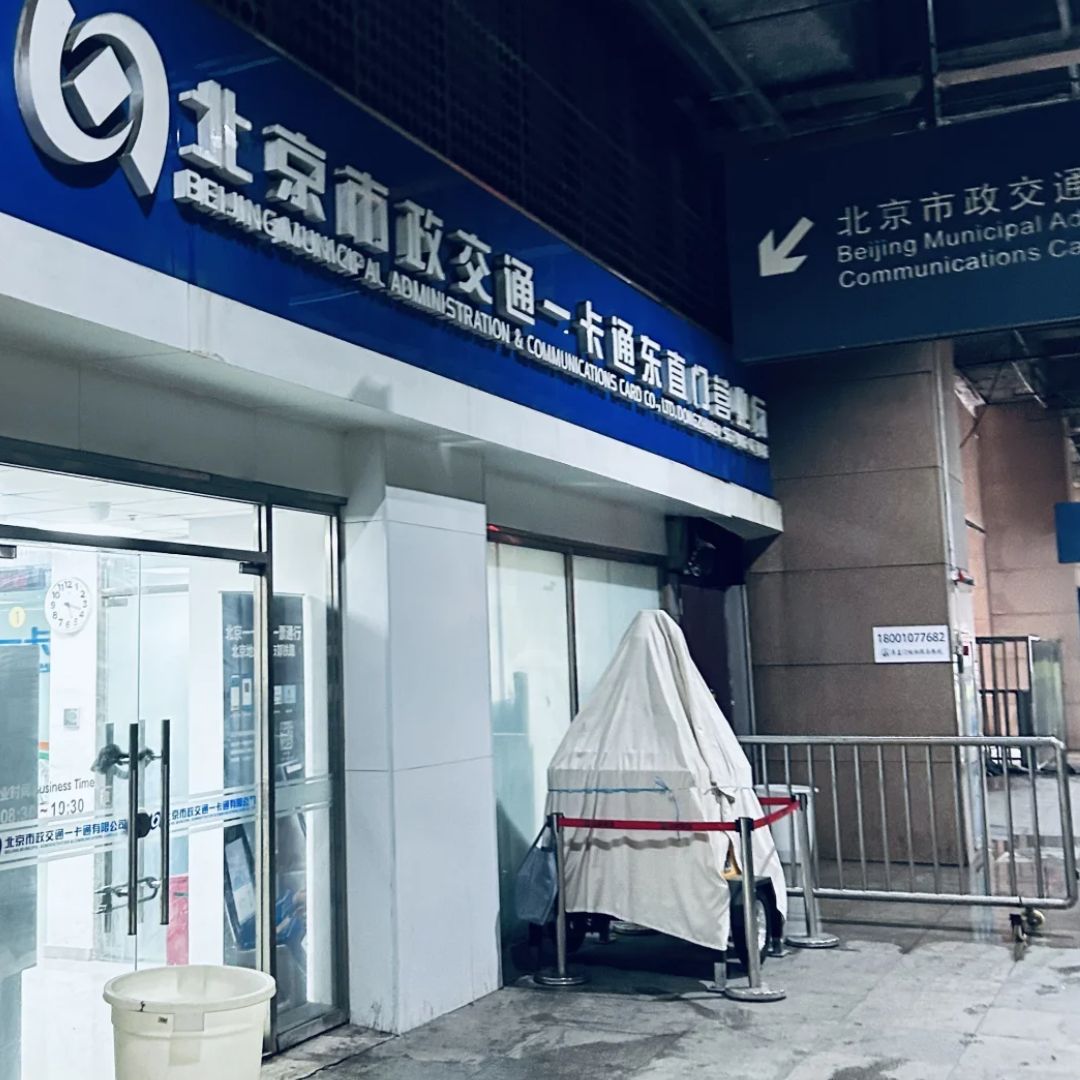
12 One Card Xidan 45 Ximen, Fuxingmennei Street, Xicheng District, Beijing 8:30 AM – 7:30 PM
13 One Card Dongzhimen Inside Dongzhimen Transport Hub (north of McDonald’s) 8:30 AM – 7:30 PM
14 Capital Airport Terminal 3 International Arrivals, “Foreign Guests Payment Service Center,” Terminal 3 Matches airport hours
15 Daxing International Airport Terminal International Arrivals, “Foreign Guests Payment Service Center” Matches airport hours
Beijing Pass


Purchasing the Beijing Pass at Dongzhimen

Ready to grab your BEIJING PASS at Dongzhimen? Here’s how:

  • Exit Line 2 of Dongzhimen Subway Station via Exit B or E.
  • Turn left into the Dongzhimen Public Transport Hub, then walk straight until you see McDonald’s.
  • The BEIJING PASS terminal is right near McDonald’s!
  • Use the machine at the back to buy your pass directly.

It’s that easy—just follow the signs and you’re good to go!

Beijing Pass


Purchasing at T3 of PEK Airport

At Terminal 3 of Capital Airport, you can buy your pass at the self-service machines located on the second floor, near the entrance to the Airport Express Train.

Beijing Pass


Purchasing at Daxing (PKX) Airport

The Jingxiong Intercity Rail’s Daxing Airport Station is located on Level B1. Once you arrive, you can find self-service facilities for the Beijing Pass on the 1st floor, adjacent to the area for Hong Kong, Macau, and Taiwan/International Arrivals.

  • Step 1: Exit the station and take the elevator to the 1st floor.
  • Step 2: Upon reaching the 1st floor, head towards the Hong Kong, Macau, Taiwan/International Arrivals area.
  • Step 3: Next to the exit of this area, locate the Inquiry/Beijing Service/Foreign Guests Payment Service Center.
  • Step 4: Directly to the left of this center, you will find a series of services: an ICBC ATM, an ICBC foreign currency exchange machine, and the Beijing Pass self-service terminal.
Beijing Pass


Recharge Your BEIJING PASS

Easily top up your BEIJING PASS at any of our designated recharge stations, keeping your adventures seamless and uninterrupted.

Where to Top Up

Keep your adventure smooth by topping up your BEIJING PASS!

  • Recharge anytime at designated self-service machines or service desks.
  • Convenient locations include Capital International Airport, Beijing Daxing International Airport, major subway stations, and service centers in Dongzhimen and Xidan.
  • Top up with ease and keep your travels hassle-free!

Stay ready for your next journey—just a quick reload away!

How to Recharge

Adding funds to your BEIJING PASS is super easy! Just remember:

  • Top-ups need to be in increments of 10 RMB.
  • The maximum balance your card can hold at any time is 1000 RMB.

With these simple steps, you’ll always be ready to hop on the next bus or train and explore everything Beijing has to offer!

BEIJING PASS Recharge Channels

Find out where you can recharge your BEIJING PASS with our comprehensive list of dedicated recharge channels.

No. Outlet Name Address Operating Hours Outlet Type
1 Metro Outlets Service windows or self-service machines at all Beijing metro stations Matches metro hours Staffed, Self-service
2 One Card Xidan Self-operated Hall 45 Ximen, Fuxingmennei Street, Xicheng District, Beijing 8:30 AM – 7:00 PM Staffed, Self-service
3 One Card Dongzhimen Self-operated Hall Inside Dongzhimen Transport Hub (north of McDonald’s) 8:30 AM – 7:00 PM Staffed, Self-service
4 Capital Airport Terminal 3 International Arrivals, “Foreign Guests Payment Service Center” Matches airport hours Self-service
5 Daxing International Airport Terminal International Arrivals, “Foreign Guests Payment Service Center” Matches airport hours Self-service
6 SilkPass Use an NFC-enabled smartphone to download SilkPass for recharging. – –

For SilkPass, the steps are:

  1. Open and log in to the SilkPass homepage.
  2. Place the card on the phone’s NFC sensing area to read the card information.
  3. Click “Tap card now”.
  4. Enter the recharge amount and complete the payment.
  5. Wait for the system to prompt that the recharge is successful (do not remove the card from the NFC sensing area during this time).

Transportation Freedom

Experience transportation freedom across Beijing and beyond with the versatile BEIJING PASS.

Unlimited Travel Options

Your BEIJING PASS unlocks the city and beyond with ease!

  • Travel seamlessly on rail transit, buses, and trams, including the Western Suburbs Line and Yizhuang T1 Line.
  • Speed through the Capital Airport Express and Daxing Airport Express with ease.
  • Catch a taxi quickly and smoothly, all with your BEIJING PASS.

One card, endless possibilities—making your journey in Beijing a breeze!

Go Beyond Beijing

Your BEIJING PASS isn’t just for Beijing—it’s your gateway to seamless travel across over 300 cities in China!

  • Explore vibrant cities like Shanghai, Chengdu, Guangzhou, and Shenzhen with ease.
  • Hop on buses, subways, light rails, trams, and ferries—just tap and go!
  • Whether you’re heading to Hangzhou, Suzhou, Nanjing, Tianjin, or Chongqing, your BEIJING PASS makes it simple.

Travel clever, travel easy—across China and beyond!

Travel Smart

Before you embark on your adventure, remember to check local rules and fare policies for each city.

  • Look out for the interconnection symbol to make sure your BEIJING PASS works everywhere you go.
  • With your pass in hand, exploring China has never been easier, more convenient, or limitless.

Grab your pass, map out your journey, and get ready to uncover the diverse and exciting wonders of China—at your own pace!

Beijing Pass


Discover and Shop with the BEIJING PASS

The BEIJING PASS is supported for use in designated (authorized) commerce and culture tourism fields in Beijing, as specified in the table below:
Cultural Tourism Address Commerce Address
1. Summer Palace 19 Xinjian Gongmen Road, Haidian District, Beijing 1. Wangfujing Department Store 255 Wangfujing Street, Dongcheng District, Beijing
2. Temple of Heaven Park Jia 1 Tiantan East Road, Dongcheng District, Beijing 2. Hanguang Department Store 176 Xidan North Avenue, Xicheng District, Beijing
3. Beihai Park 1 Wenjin Street, Xicheng District, Beijing 3. Xidan Shopping Center 120 Xidan North Avenue, Xicheng District, Beijing
4. Beijing Zoo 137 Xizhimen Outer Street, Xicheng District, Beijing 4. Watsons See merchant information for details
5. National Botanical Garden (North Garden) Wofo Temple Road, Xiangshan, Haidian District, Beijing 5. Wedomore See merchant information for details
6. Fragrant Hills Park 40 Mai Mai Street, Xiangshan Subdistrict, Haidian District, Beijing 6. Jinfeng Chengxiang See merchant information for details
7. Yuyuantan Park 10 West Third Ring Middle Road, Haidian District, Beijing 7. Wumart Supermarket See merchant information for details
8. Taoranting Park 19 Taiping Street, Xicheng District, Beijing 8. Jingkelong Supermarket See merchant information for details
9. Jingshan Park 44 Jingshan West Street, Xicheng District, Beijing 9. Meilianmei Supermarket See merchant information for details
10. Zhongshan Park No. 4 Zhonghua Road, Dongcheng District, Beijing (west side of Tiananmen) 10. Shouhang Guoli Supermarket See merchant information for details
11. Ming Tombs, Dingling Dingling Road, Ming Tombs Town, Changping District, Beijing 11. Tiankelong Supermarket See merchant information for details
12. Ming Tombs, Changling Changling Scenic Area, Huai Chang Road, Ming Tombs Town, Changping District, Beijing 12. Shuntianfu Supermarket See merchant information for details
13. Juyongguan Great Wall Juyongguan Village, Nankou Town, Changping District, Beijing 13. Chongwenmen Vegetable Market Northeast of Guangqumen Bridge, Dongcheng District, Beijing
14. Ming Tombs, Zhaoling Zhaoling Special Area, Ming Tombs, Changping District, Beijing 14. Oskay Wumart Supermarket Yi 528 North Dongsibei Street, Dongcheng District, Beijing
15. Ming Tombs, Shenlu Changchi Road, Ming Tombs Town, Changping District, Beijing 15. Dashang Supermarket 33 Dengshikou Street, Dongcheng District, Beijing
16. Yinshan Pagoda Forest West Lake Village, Changping District, Beijing 16. Xingfu Rongyao Supermarket East Building -1-1, Level -1, East Market, Zhushikou East Street, Dongcheng District, Beijing
17. Badaling Great Wall Northern entrance of Jundu Mountain Guanguo Ancient Path, Yanqing District, Beijing 17. Jingyin Huatian Shopping Mall 30 Yuetan South Street, Xicheng District, Beijing
18. Old Summer Palace Ruins Park 28 Qinghua West Road, Haidian District, Beijing 18. Guotai Life Plaza Jia 1 South Ping Street, Capital Airport, Shunyi District, Beijing
19. Shuiguan Great Wall Shifo Temple Village, Badaling Town, Yanqing District, Beijing 19. Chuangxian Shijie Supermarket 13 Airong New Garden, Daxing District, Beijing
20. Central Television Tower 11 West Third Ring Middle Road, Haidian District, Beijing (opposite Yuyuantan Park) 20. Lejiayou Fresh Life Supermarket South Gate of No. 6 Airong New Garden, Daxing District, Beijing
21. Wild Duck Lake National Wetland Park Liu Haoying Village, Kangzhuang Town, Yanqing District, Beijing
22. Longqing Gorge Scenic Area Northeast corner of Yanlong Road and Jiu Xiao Road, Gucheng Village, Yanqing District, Beijing
23. Beijing Shijingshan Amusement Park 25 Shijingshan Road, Shijingshan District, Beijing
24. Huanghuacheng Water Great Wall Tourism Area Xi Shuiyu Village, Jiuduhe Town, Huairou District, Beijing
25. Beijing Yanqi Lake Tourism Scenic Area 3 Yanshui Road, Huai North Town, Huairou District, Beijing
26. World Flower Grand View Garden 235 South Fourth Ring Middle Road, Fengtai District, Beijing
27. Beijing Stone Carving Art Museum 1 Nangong South Road, Fengtai District, Beijing
28. China Red Sandalwood Museum


Master Your BEIJING PASS: Simple Steps for Smart Travel

Learn how to master your BEIJING PASS with simple steps for smart travel throughout Beijing.

Single Rider, Simple Swipes

Your BEIJING PASS is your key to exploring Beijing effortlessly!

  • Remember, each card is personalized just for you—swipe when you get on and again when you get off any public transport.
  • This simple tap guarantees you snag those exclusive fare discounts every time you travel.

With your BEIJING PASS, every journey is smoother and more affordable!

Explore, Show, and Pay

Planning to explore Beijing’s iconic shops and cultural spots?

  • Look for the “BEIJING PASS” logo at participating venues.
  • Show your pass to the staff, who will direct you to the POS terminal to tap.
  • Check the amount, and with just one more tap, your purchase is all set—quick and easy!

Your BEIJING PASS is the perfect companion for shopping and sightseeing in style!

Enjoy Seamless Transactions

Using your BEIJING PASS is super simple: whether you’re hopping on a bus or grabbing a souvenir, it’s your go-to tool for smooth payments and easy access throughout the city.

  • Tap to board buses, trains, and more.
  • Tap to shop at participating stores and attractions.
  • Enjoy hassle-free travel through Beijing with one easy swipe!

Carry your pass, tap as you go, and make the most of your Beijing adventure!

Top 3 Hotels in Beijing:

Choose the ideal place to stay for your Beijing adventure, whether you’re looking for budget-friendly options, cozy comfort, or a touch of luxury.

  • Budget Pick – Beijing Zhong’an Hotel: Enjoy affordability and convenience near Jianguomen and Beijing Railway Station, perfect for cost-conscious travelers. (RMB 250-350/night).
  • Middle Option – Sunworld Hotel Wangfujing: Stay in comfort and style at this centrally located hotel, steps away from Beijing’s bustling Wangfujing shopping district. (RMB 500-700/night).
  • Fancy Option – The Peninsula Beijing: Experience ultimate luxury and impeccable service at one of Beijing’s most prestigious hotels. (RMB 2000-2500/night).

Booking Major Attraction Tickets Online

Booking tickets for major attractions in advance ensures you skip the lines and enjoy a smooth, hassle-free experience. With just a few clicks, you can secure your spot at popular sites like the Great Wall, the Forbidden City, and more!

FAQs

Q: How do I purchase a BEIJING PASS?

A: You can buy the BEIJING PASS at major transportation hubs like Capital International Airport, Beijing Daxing International Airport, and selected service counters across Beijing.

The pass is also available through various authorized online platforms.

Q: Where can I use the BEIJING PASS?

A: The BEIJING PASS can be used on public transportation within Beijing and in over 300 cities across China.

Additionally, it grants access to designated cultural and commercial areas, including museums, parks, and select retailers.

Q: Can I recharge my BEIJING PASS?

A: Yes, you can easily recharge your BEIJING PASS at self-service kiosks located in subway stations or at customer service counters.

You can also top it up online through the SilkPass app, available for both Android and iOS devices.

Q: What should I do if I lose my BEIJING PASS?

A: The BEIJING PASS is non-replaceable if lost and cannot be refunded. However, you can apply for a new card at any of the designated sales locations.

Keep in mind that the balance from the lost card cannot be transferred to the new one.

Q: Are there any discounts or special offers with the BEIJING PASS?

A: Yes, using the BEIJING PASS entitles you to various discounts on public transportation fares and at selected tourist attractions and commercial outlets.

Specific discount details are regularly updated and can be accessed through the official BEIJING PASS website or app.

Explore Beijing’s Best Attractions

If you’re planning a trip to Beijing, you might find these articles about activities and sights in the city helpful for your visit:


Mount Wutai: Best Temples, Views, and Travel Tips

Mount Wutai Travel Guide


Discovering Mount Wutai: Adventure & Enlightenment

Mount Wutai, nestled in the stunning Taihang Mountains of Shanxi Province, offers an unforgettable journey through history and breathtaking landscapes. Here’s why it’s a must-visit:

  • A Sacred Landmark: As one of China’s four sacred Buddhist mountains, it’s a spiritual destination alongside Mount Emei, Mount Putuo, and Mount Jiuhua.
  • Majestic Peaks: With five towering peaks that rise above the clouds, Mount Wutai is nicknamed “Five Platforms” for its unique, flat summits.
  • Temples & Culture: Home to 86 religious spots, including the iconic Xiantong Temple and Tayuan Temple, this mountain is a melting pot of Buddhist history and architectural beauty.
Mount Wutai Travel Guide


Why Visit Mount Wutai

Here’s why you should visit Mount Wutai:

  • Historic Roots: As one of China’s four great Buddhist mountains, Mount Wutai has a spiritual history dates back to around 68 AD. It became a key Buddhist hub when two monks built a temple around a sacred stupa and the revered Buddhist figure Manjushri.
  • A Sanctuary of Peace: The expansive landscape, crisscrossed by rivers, made it an ideal setting for building temples. It’s even home to historical landmarks like the recorded footprints of Buddha, which have inspired countless pilgrims.
  • Spiritual Haven: Initially called Lingjiu Temple, this was among China’s earliest temples, cementing Mount Wutai’s role as a central figure in the spread of Buddhism.
Mount Wutai Travel Guide


Explore the Five Main Peaks

Discover the spiritual majesty of Mount Wutai, renowned for its Five Main Peaks, each steeped in deep Buddhist significance.

These sacred summits not only offer breathtaking views but also host ancient temples that draw pilgrims and travelers from around the world.

Each peak of Mount Wutai hosts a unique temple:

  • East Peak (Wanghai Peak): Best for sunrise views. Home to Wanghai Temple, dedicated to the wise Manjushri.
  • West Peak (Guayue Peak): The smallest but offers stunning sunset views. Site of Falei Temple, dedicated to the lion-roaring Manjushri.
  • South Peak (Jinxu Peak): The lowest in elevation, this peak boasts the most scenic paths, complete with cattle and horses, making it perfect for hiking. Location of Puji Temple, devoted to the wise Manjushri.
  • North Peak (Yedou Peak): The highest and coldest point. Features Lingying Temple, honoring the immaculate Manjushri. This peak is the highest point where Lingying Temple includes the Dragon King Hall, a significant site of worship.
Mount Wutai Travel Guide


Best Temples to Visit

Embark on a spiritual adventure at Mount Wutai, home to some of the most revered temples in China.

Each temple offers unique insights into Buddhist culture and architecture, making them must-visit destinations for both pilgrims and tourists.

  • Dailuoding Temple (黛螺顶): Perched atop one of Mount Wutai’s highest points, offering breathtaking views. Known for its tranquil space perfect for meditation and its intricate architectural beauty.
  • Xiantong Temple (显通寺): One of the oldest and largest temples on Mount Wutai, rich in history and religious significance. Its grand halls and sacred artifacts are cornerstones of the region’s Buddhist culture.
  • Tayuan Temple (塔院寺): Famous for its striking white stupa, a beacon visible from miles around. Houses sacred relics and provides a profound place for peace and reflection.
  • Pusading Temple (菩萨顶): Sits near the summit, known as the “Bodhisattva’s Peak”. Offers panoramic views ideal for spiritual contemplation and scenic appreciation.
  • Shuxiang Temple (殊像寺): Features a collection of over 500 arhat statues, each with unique expressions. A gallery of art and spirituality showcasing exquisite craftsmanship.
Mount Wutai Travel Guide


  • Wuye Temple (五爷庙): Dedicated to the God of the Five Peaks of Mount Wutai. Blends Daoist and Buddhist traditions, popular during religious festivals.
  • Luohou Temple (罗睺寺): Nestled in a tranquil valley, known for its historical significance and serene environment. Provides a peaceful retreat for those seeking solace and inner peace.
  • Pushou Temple (普寿寺): Renowned for its beautiful gardens and ancient scripture halls. Peaceful courtyards and ornate pavilions offer a blend of spiritual nourishment and natural beauty.
  • Bishan Temple (碧山寺): Located against the lush backdrop of Mount Wutai’s forests. Ideal for meditation, featuring stunning murals that depict Buddhist tales.
  • Jinge Temple (金阁寺): Known for its golden roof, earning it the nickname “Golden Pavilion.” A key pilgrimage site, famous for its rich decorations and sacred atmosphere.
  • Nanshan Temple (南山寺): Sprawls across the southern slope of Mount Wutai with architecturally diverse buildings. Celebrated for its elaborate sculptures and deep spiritual teachings.
  • Longquan Temple (龙泉寺): Known for its refreshing spring believed to have healing properties. Offers a serene sanctuary ideal for reflection and rejuvenation.
Mount Wutai Travel Guide


Mount Wutai Map

Explore the spiritual and scenic wonders of Mount Wutai with our detailed map, guiding you through its historic peaks and sacred sites.

This map serves as your personal navigator, helping you discover ancient temples, stunning landscapes, and peaceful retreats scattered across one of China’s most revered Buddhist mountains.

Mount Wutai Map


Visiting Hours and Admission

Mount Wutai is open to visitors daily from 8:00 AM to 6:00 PM.

Admission tickets are priced at 135 RMB per person.

Plan your visit to explore its rich spiritual heritage and stunning landscapes.

Mount Wutai Travel Guide


Hiking Five Peaks at Mount Wutai

Embark on a transformative journey atop North China’s spiritual crown at Mount Wutai.

Exploring its five peaks is considered equivalent to five centuries of spiritual growth.

Buddha’s Realm on the Pilgrim’s Path

Known as China’s “Pilgrim’s Path,” Mount Wutai offers an oasis of peace far from the daily grind, inviting you to tread lightly and immerse in tranquility.

Hiking Routes

Select from the Forward Pilgrimage (~78km, predominantly uphill) or the Reverse Pilgrimage (~50km, largely downhill).

The Grand Pilgrimage spans extensive outdoor trails across lofty mountain meadows, while the Small Pilgrimage challenges you with a 1080-step ascent to Dai Lian Peak.

Best Seasons for Visits:

  • Summer (May-August): Ideal for experiencing the expansive meadows, vibrant sunrise, and herds of cattle and sheep under a canopy of lush vegetation. Temperatures range from 15-25°C.
  • Autumn (September-October): Offers a spectacular golden landscape, with cooler temperatures of 5-15°C.
  • Winter (November-April): Transforms into a snowy wonderland, with temperatures from -20 to 5°C.
Mount Wutai Travel Guide


Pilgrimage Activities

  • Participate in sacred rites such as setting prayer flags, savoring vegetarian fare, offering prayers, burning incense, and stamping temple seals, all in the hope of fulfilling your spiritual desires.

Fees

  • Admission: East and South Peaks are 60 RMB/person; West and Central Peaks, 80 RMB/person; North Peak, 70 RMB/person.
  • Transportation: A flat rate of 350 RMB covers all five peaks. Optional visits to three additional temples are available for an extra 10 RMB each, highly recommended for their significant cultural and historical value: Lion’s Den, Jixiang Temple, and the Bathhouse, each offering unique relics and artifacts.

Logistics

  • Visitors can choose to explore one or more peaks, with vehicles departing when 9-10 passengers gather. Always check departure times at each location to ensure you join the correct group.
  • Morning Departures: Buses begin at 6:40 AM. For a comprehensive experience covering all peaks, an early start is advisable.

Exploring the Grand Pilgrimage

  • This extensive trek spans all five peaks and is divided into Reverse, Forward, and Grand Forward Pilgrimages, offering distinct experiences and challenges. Distances vary from 50km to 78km, typically completed between 2 to 4 days.
Mount Wutai Travel Guide


Top Hotels to Stay in Mount Wutai

Fancy Option: Wutai Mountain Marriott Hotel – Ever wanted to pamper yourself in a mountain paradise? This hotel is your dream come true! Enjoy luxurious rooms with breathtaking views of Mount Wutai. It’s like staying in a cloud, but with all the comfy beds and cool gadgets you love. Relax in style after a day of exploring sacred temples! (1000-1500 RMB/night)

Middle Option: Friendship Hotel – Imagine a place that feels just like home but with a touch of Mount Wutai magic. That’s Friendship Hotel for you! Cozy on the inside and surrounded by stunning scenery outside. You’re just a short stroll away from amazing sights. Plus, the local food here is super tasty! (450-800 RMB/night)

Budget Pick: Wutaishan Jiuhong Hotel – Traveling on a tight budget? No worries! This hotel gives you a comfy bed and all the basics without costing a lot. It’s the perfect spot to rest after a fun day of adventures. Everything you need is right here, and it won’t empty your wallet! (200-300 RMB/night)

Beijing to Mount Wutai Bus Guide

Embark on a scenic bus journey from Beijing to the sacred Mount Wutai, where spiritual serenity meets breathtaking natural beauty.

This guide provides a clear and straightforward route to ensure a smooth and enjoyable trip to one of China’s most revered Buddhist sites.

Departure from Beijing:
  • Location: Liuliqiao Coach Station
  • Time: Depart at 9:30 AM
  • Ticket Purchase: Buy tickets via the “1366 Travel” mini-program linked through the “Beijing Liuliqiao Transportation Hub” WeChat account. Cost: 145 RMB. Arrive 20 minutes early for security checks.
  • During the Journey: 20-minute stop at a service area around 11:30 AM for refreshments and restroom use.
Mount Wutai Travel Guide


Arrival at Mount Wutai:
  • Drop-off Point: Wutai Mountain Bus Station, opposite Puhua Temple.
  • Time: Approximately 2:20 PM
  • Entry Tickets: Purchase tickets at the entrance for 135 RMB per person via the Wutai Mountain Visitor Service Center mini-program or at the site. All daily tickets are valid.
  • Reboarding: Post ticket check, reboard the bus for the short ride to the final stop within the scenic area.
Return Trip to Beijing:
  • Booking: Reserve your return bus ticket using the “Jinchangxing” WeChat account. Cost: 145 RMB per ticket, plus optional insurance (5 RMB, cancelable) and a 3 RMB handling fee.
  • Departure Time: The last bus leaves at 3:30 PM from Wutai Mountain Bus Station. Ensure to check your ticket before boarding.

This streamlined guide ensures you have all the necessary details for a smooth and enjoyable journey from Beijing to Mount Wutai and back, highlighting key times, locations, and costs.

Mount Wutai Travel Guide


Beijing to Mount Wutai Train Guide

  • Preferred Train: The K601 from Beijing West Station departs at 22:10 and arrives at Wutaishan Station at 04:44.
  • Seating Recommendation: It is advisable to purchase a sleeping berth, priced slightly above 100 yuan. This timing is optimal as it allows passengers to sleep during the journey.
  • Upon Arrival: At Wutaishan Station, you can find seamless transport connections to Hongmenyan Rock. Options include:
    • Private Car: Costs 30 RMB in summer and 50 RMB in winter.
    • Bus: Consistently 25 RMB.
  • Return Journey: Numerous train services are available; select and purchase according to your schedule.
  • Important: Ensure to buy your train tickets at least one week in advance.
Mount Wutai Travel Guide


Nearby Attractions

  • Hanging Temple (悬空寺): Perched precariously on the side of a cliff, Hanging Temple is an architectural wonder that defies gravity and has been standing for over 1,500 years. This unique monastery showcases a blend of Buddhist, Taoist, and Confucian influences, making it a must-visit for its cultural and historical significance.
  • Yungang Grottoes (云冈石窟): The Yungang Grottoes are one of the three major cave clusters in China, famed for their impressive collection of carved statues and religious art dating back to the 5th and 6th centuries. These ancient Buddhist temple grottoes offer a profound glimpse into China’s rich religious art history and are a UNESCO World Heritage site.
  • Yingxian Wooden Pagoda (应县木塔): Known as the oldest and tallest wooden pagoda in the world, the Yingxian Wooden Pagoda stands impressively in Shanxi Province, dating back to 1056. This architectural masterpiece, built without the use of any nails, showcases an ancient Chinese construction technique and serves as a stunning example of Buddhist monumental art.
Mount Wutai Travel Guide


FAQs

Q: Why is Mount Wutai considered sacred?

A: Mount Wutai is revered as sacred because it is recognized as one of the four great Buddhist mountains in China.

It is specifically associated with Manjushri, the Bodhisattva of Wisdom, making it a significant pilgrimage site with a rich history of Buddhism that includes numerous temples and monastic communities.

Q: In which city is Mount Wutai located?

A: Mount Wutai is not located within a city but near the city of Xinzhou in Shanxi Province, China.

It is a remote and mountainous area dedicated largely to religious and historical sites.

Q: How tall is Mount Wutai?

A: Mount Wutai consists of five main peaks, with the tallest being the North Terrace (Beitai), which reaches an elevation of approximately 3,061 meters (10,043 feet).

Q: What are the main attractions at Mount Wutai?

A: The main attractions at Mount Wutai include several ancient and significant temples such as Xiantong Temple, the oldest and largest; Tayuan Temple, known for its towering white stupa; and Pusading Temple, which is central to the site’s religious activities.

The area is also known for its breathtaking natural scenery and as a cultural heritage site.

Q: What is the best way for visitors to explore Mount Wutai?

A: Visitors can explore Mount Wutai most effectively through guided tours that offer insights into the historical and spiritual significance of the sites.

For a more immersive experience, hiking between the temples allows visitors to enjoy the mountain’s natural beauty and tranquility.

Seasonal considerations should be taken into account, as the mountain can be quite cold outside of the summer months.

Mount Wutai Travel Guide


Shanxi Travel Guide

Should you be planning a visit to Shanxi province, these articles highlighting local activities and attractions could be beneficial for your itinerary:


Explore History and Nature: 10 Reasons to Hike Jinshanling Great Wall

Discover the Beauty of Jinshanling Great Wall: 10 Reasons to Hike

If you’re looking for an authentic and real Great Wall hiking experience, not just a whistle-stop tour of famous landmarks, then Jinshanling is your best bet.

Jinshanling remains wild, ruined, and preserved. There is no greater feeling than standing at the top of Jinshanling, looking around you, listening to the silence of the mountains, and taking it all in…

Here are 10 reasons why hiking Jinshanling Great Wall is a decision you will not regret.

1. It’s Easy to Avoid Crowds

Jinshanling is a great alternative to the popular Badaling section of the Great Wall of China, as it is relatively less crowded.

Badaling is easily accessible, well-restored, and attracts huge crowds every day, which can make it difficult to enjoy the wall and its stunning views.

However, if you are short on time and prefer to visit Badaling, it is easily reached by bus from downtown Beijing, taking approximately 1.5 hours.

On the other hand, if you choose to visit Jinshanling, which is located farther from Beijing, you will need to allocate at least 2.5 hours for transportation.

But it is worth it, as you will be rewarded with pristine views without having to dodge crowds.

During your day trip to Jinshanling, you will likely encounter only 20-30 people on the wall, allowing you to fully appreciate the beauty of the Great Wall of China without the crowds that can sometimes detract from the experience.

2. It’s as Peaceful as It Gets. You Won’t be Bothered By the Dense Population

Jinshanling is a serene and relatively untouched section of the Great Wall of China, offering a peaceful escape from the hustle and bustle of Beijing.

If you’re looking for a place to unwind and enjoy the tranquility of nature, Jinshanling is an excellent choice.

The unspoiled beauty of Jinshanling, with its rolling hills, verdant forests, and meandering streams, creates a harmonious and tranquil atmosphere that is ideal for those seeking a relaxing break from the hustle and bustle of urban life.

The peacefulness of this section of the wall is enhanced by the almost complete absence of crowds, giving visitors the space and quiet they need to fully appreciate the stunning views and grandeur of the wall.

The blissful silence in Jinshanling minimizes distractions, allowing visitors to immerse themselves in the experience of the Great Wall of China.

Walking along the wall, surrounded by nature, offers a meditative and spiritual experience that is both inspiring and rejuvenating.

In short, Jinshanling is a hidden gem, a peaceful oasis in the midst of a bustling world, offering visitors the chance to experience the harmony and tranquility of the natural world.

10 Reasons Why Hiking Jinshanling Great Wall is a Decision You Will Not Regret in Beijing

Reasons to Hike Jinshanling Great Wall

3. Anywhere You Look, the View Is Breathtaking

Although photographers try their best, capturing the true beauty of Jinshanling with a camera lens can be quite challenging.

This section of the Great Wall of China is best experienced in person.

The views from the watchtowers that are linked by the connecting wall are incredibly rewarding.

However, the grandeur and beauty of Jinshanling are even more impressive when seen in person.

The all-encompassing scenery is breathtaking, with miles of the magnificent structure stretching out before you, surrounded by the majestic mountains that encircle it.

Visiting Jinshanling in person allows you to experience the scale and majesty of the wall, as well as the natural beauty of the surrounding landscape.

The gentle breeze, the scent of the nearby trees, and the peaceful atmosphere are all part of the experience, adding to the awe-inspiring beauty of the site.

10 Reasons Why Hiking Jinshanling Great Wall is a Decision You Will Not Regret china

Reasons to Hike Jinshanling Great Wall

4. Walk Through Chinese History

Jinshanling is steeped in history and boasts a fascinating story.

It was originally constructed during the 1300s by General Xuda and later renovated and expanded by the renowned General Qi Jiguang, two centuries later.

Unlike some of the more tourist-dense sections of the Great Wall, much of Jinshanling has retained its original appearance and has not been fully restored.

This means that visitors who hike this section of the wall will encounter a more challenging terrain, but they will also enjoy a uniquely authentic experience.

Walking along the wall at Jinshanling is like stepping back in time, as visitors are literally walking through centuries of Chinese history.

The ruggedness of the wall at Jinshanling and the lack of modern amenities such as cable cars and souvenir shops may not appeal to all visitors.

However, those who appreciate history, architecture, and the natural beauty of the Great Wall of China will find the experience at Jinshanling to be truly exceptional.

It offers a glimpse into China’s rich and diverse past, allowing visitors to connect with the land and its people in a profound and meaningful way.

5. Test Your Limits

Are you ready to take on a new hiking challenge that will test your endurance and fitness levels?

Jinshanling is the perfect destination for thrill-seekers looking for a challenging but achievable trek.

This scenic trail is located in a mountainous region that will leave you in awe of its beauty.

Jinshanling is a favorite among intermediate and advanced hikers due to its steep inclines and rugged terrain.

The ascent is challenging, but the descent is equally demanding, so be prepared for a full-body workout.

However, the panoramic views of the surrounding landscape make every step worth the effort.

To make the most out of your hike, pack plenty of water and energy-rich snacks to keep you fueled throughout the journey.

Don’t forget to wear comfortable shoes and appropriate hiking gear to ensure a safe and enjoyable experience.

6. A Different Kind of High

Hiking the Great Wall provides a different kind of high, one that is all-natural and achieved through exercise and exposure to the breathtaking landscape.

Jinshanling is a prime example of this, as the trail offers challenging terrain that will test your limits, but also rewards you with stunning panoramic views of the surrounding mountains and valleys.

Although the hike may be strenuous, the sense of achievement and satisfaction you’ll feel at the end of the trail is unparalleled.

And the memories you make along the way will stay with you for a lifetime.

While hiking the Great Wall, safety should always be a top priority.

Make sure to pack plenty of water and snacks to keep you hydrated and fueled throughout the journey.

Wear comfortable shoes and dress appropriately for the weather conditions.

It’s also important to stay on designated trails and follow the rules and regulations to ensure a safe and enjoyable experience for everyone.

10 Reasons Why Hiking Jinshanling Great Wall is a Decision You Will Not Regret beijing

Reasons to Hike Jinshanling Great Wall

7. Beautiful in All Seasons

Jinshanling is a place of unparalleled beauty that captivates visitors all year round.

With each season comes a unique and valuable experience that is worth experiencing.

In the spring, the hillsides are dotted with delicate apricot blossoms, creating a picturesque landscape that is a sight to behold.

As the weather warms up, the lush foliage takes over, enveloping the mountains in a verdant green blanket.

However, it’s the autumn that steals the show at Jinshanling.

As the leaves start to turn, the mountainside is painted with fiery shades of red and orange, creating a truly mesmerizing sight.

It’s the perfect time to take in the breathtaking views while enjoying the cool, crisp air.

When winter arrives, the snow-capped mountains create a different kind of beauty.

The serene landscape is a peaceful and tranquil escape from the hustle and bustle of everyday life.

No matter what time of year you visit Jinshanling, you will be astounded by the magnificent scenery that surrounds you.

So, whether you prefer the delicate blooms of spring, the lush foliage of summer, the fiery hues of autumn, or the peaceful snowscape of winter, Jinshanling has something for everyone to enjoy.

8. Boost Your Self-confidence

Hiking Jinshanling Great Wall is a challenging feat that requires perseverance and determination.

The steep inclines and rugged terrain can test even the fittest of hikers, but the breathtaking views from the top make it all worth it.

The sense of accomplishment and satisfaction upon reaching the end of the trail is overwhelming.

You not only conquer the Great Wall but also your own doubts and self-made physical limitations.

It’s a humbling and empowering experience that will stay with you for a lifetime.

The hike is not for the faint of heart, but with perseverance, you can push yourself to new limits and achieve something truly remarkable.

So, lace up your hiking boots, pack your bags, and get ready to embark on an unforgettable journey through history and nature.

9. Become a Story Teller

Traveling has the power to take your breath away and turn you into a storyteller.

This rings especially true for hiking Jinshanling, where the stories you’ll acquire are unpredictable and unforgettable.

Every step of the way presents a new and exciting opportunity to see and experience amazing things.

From the rugged terrain to the stunning vistas, hiking Jinshanling Great Wall is an adventure that will leave you in awe of its beauty.

You never know what will happen along the way, but one thing is for sure – it will be a journey to remember.

By immersing yourself in a new and exciting position, you open yourself up to endless possibilities and the chance to create memories that will last a lifetime.

So, pack your bags, put on your hiking boots, and get ready to embark on an epic journey through history and nature.

10. Makes Your Life Better And Will Give You Lifetime Experience.

Hiking the Great Wall of China is a unique and unforgettable experience that will stay with you for a lifetime.

Each step along the way presents a new opportunity to learn, play, and create stories that you’ll be eager to share with others.

No matter how many hikes you embark on throughout your life, your Great Wall hike will always hold a special place in your heart.

It’s a once-in-a-lifetime adventure that is unlike any other, and it’s an opportunity that shouldn’t be missed.

So, what are you waiting for?

Lace up your hiking boots, pack your bags, and get ready to embark on an epic journey through history and nature.

Whether you’re a seasoned hiker or a novice adventurer, the Great Wall of China offers an experience like no other.

Great Wall of China at the jinshanling section,sunset landscape

Reasons to Hike Jinshanling Great Wall

FAQs

Q: How long is the Jinshanling Great Wall hike?

A: The Jinshanling Great Wall hike is approximately 7 kilometers long, which takes around 3 to 4 hours to complete, depending on your pace and stops along the way.

Q: Are there facilities available along the Jinshanling Great Wall hike?

A: Yes, there are basic facilities available, such as restrooms and small shops, at the entrance of Jinshanling.

However, it’s recommended to bring water and snacks with you as you hike, as there are limited options available on the wall itself.

Q: Is it necessary to hire a guide to hike Jinshanling Great Wall?

A: While hiring a guide is not mandatory, it can be beneficial to have a knowledgeable guide who can provide historical and cultural insights about the Great Wall and Jinshanling.

They can enhance your experience and help you navigate the trail.

Q: Can I hike Jinshanling Great Wall in all seasons?

A: Yes, Jinshanling Great Wall is open for hiking throughout the year.

However, it’s important to note that weather conditions can vary significantly between seasons.

It’s advisable to check the weather forecast and dress accordingly, especially during extreme temperatures or inclement weather.

Q: Are there any restrictions or limitations while hiking Jinshanling Great Wall?

A: Visitors are generally free to explore and hike along the Jinshanling Great Wall.

However, it’s important to respect the historical site, follow designated paths, and avoid causing any damage to the structure or natural environment.

Additionally, some sections of the wall may be steeper or more challenging, so it’s essential to assess your own physical capabilities before embarking on the hike.

Final Words

In conclusion, hiking the Jinshanling Great Wall is an extraordinary adventure that combines history, nature, and tranquility.

With its breathtaking views, well-preserved architecture, and serene surroundings, Jinshanling offers a unique experience for travelers seeking to immerse themselves in the rich heritage of China while basking in the beauty of its natural landscapes.

From the peacefulness of its paths to the awe-inspiring grandeur of its walls, Jinshanling is a destination that promises to captivate and leave a lasting impression.

Embark on this remarkable journey, and discover the perfect blend of history and nature that awaits you at Jinshanling Great Wall.

Thinking about visiting the Jinshanling Great Wall or nearby places? Gain insight from our informative and engaging posts:

Most Popular Posts

Which part of the Great Wall is the best to visit

When is the best time to visit the Great Wall of China

Mutianyu Great Wall travel guide

Where is the best location to stay in Beijing

How long should I stay in Beijing


Zhoukoudian Peking Man Site: Journey to the Stone Age!

Zhoukoudian Peking Man Site


Explore Prehistoric Life at Zhoukoudian Peking Man Site

Imagine a place filled with ancient secrets from long, long ago! The Zhoukoudian Site, also called the “Home of the Peking Man,” is like a time capsule buried in Dragon Bone Hill near Beijing.

It’s where scientists have found bones and tools that are up to 700,000 years old!

This special spot covers a huge area and is packed with cool stuff from the past, including bones from early humans and animals, and even evidence that these ancient people knew how to use fire!

A Journey Through Time

This amazing place has stories from 5 million years ago all the way to 10,000 years ago.

It shows us how humans evolved, from the early Peking Man to the New Cave Man, and then to the more recent Upper Cave Man.

It’s like flipping through the pages of a real-life history book!

Zhoukoudian Peking Man Site


The Big Discovery

Back in 1918, a chemist stumbled upon some mysterious bones glued together with red clay.

Then, a bunch of smart scientists, including a Swedish geologist and an Austrian paleontologist, started digging and found even more cool stuff, like ancient animal bones and old human teeth.

Their discoveries made the world excited to learn about our ancient relatives.

Why It’s So Cool

Zhoukoudian is not just a bunch of old bones and stones; it’s a window into our past.

It helps us understand how humans used to live, how we’ve changed, and how we’ve stayed the same.

It’s a reminder that our planet has a rich history waiting to be explored.

Zhoukoudian Peking Man Site


Zhoukoudian Locality 1: The Peking Man Site

Zhoukoudian Locality 1, also known as the “Peking Man Site,” was situated on Dragon Bone Hill’s northeast slope.

This site, originally a natural limestone cave, is renowned for its discovery of Peking Man’s skull fossils. Surrounded by the North China Plain and nearby mountains, the site features sedimentary layers rich in archaeological significance, divided into 13 strata.

Locality 2: Red Earth Deposit

Locality 2 lies approximately 200 meters northwest of Locality 1, characterized by its north-south orientation and significant red earth deposits with calcareous concretions, dating back to the Middle Pleistocene.

Zhoukoudian Peking Man Site


Locality 3: Fissure Deposit

Locality 3, located at Zhoukoudian’s southeastern end, is an east-west fissure filled with conglomerate rocks, also dating to the Middle Pleistocene, indicating the area’s varied geological formations.

Locality 4: New Cave Man Site

Locality 4, or the “New Cave Man Site,” is found 70 meters from the original “Ape-Man Cave.”

It features a north-south oriented cave with a secondary, interconnected “New Cave,” showcasing living quarters from the late Middle Pleistocene.

Zhoukoudian Peking Man Site


Locality 26: Mountain Top Cave Man Site

Locality 26 is positioned atop Dragon Bone Hill, encompassing living and burial sites with a north-facing entrance, illustrating the complex living arrangements of prehistoric humans in Zhoukoudian.

Archaeological Discoveries

Since 1918, Zhoukoudian has yielded over 200 human fossils and 100,000 stone tools, alongside evidence of fire use and numerous animal fossils.

The stone tools, crafted from quartz veins and other materials, include a variety of implements essential for daily survival and activities.

The site has also revealed an extensive range of large mammal fossils, from giant macaques to hyenas, as well as smaller animals, contributing significantly to our understanding of prehistoric life.

Zhoukoudian Peking Man Site


Ticket Information

  • Adults: 30 Yuan per person.
  • Discounted Tickets: 15 Yuan per person for minors from ages 6 (excluding) to 18 (including), full-time undergraduates, and school students.

Visiting Hours

  • Spring/Summer: 9:00 AM to 4:30 PM (April 1 to October 10; ticket sales end at 4:00 PM).
  • Fall/Winter: 9:00 AM to 4:00 PM (October 11 to March 31; ticket sales end at 3:30 PM).
  • Note: The site is closed on Mondays.

Getting There

By Bus:

  • Route 1: Take Beijing Bus No. 832 (formerly 917) to Liangxiang Beiguan, then transfer to Bus No. 38 to the Zhoukoudian Site.
  • Route 2: Take the Beijing Bus No. 917 Zhangfang Branch to the Zhoukoudian Lukou, then change to Bus No. 38 to reach the site.
  • Route 3: Opt for Beijing Bus No. 616 to Liangxiang Ximen, followed by a transfer to Bus No. 38 directly to the site.
Zhoukoudian Peking Man Site


FAQs:

Q: What happened to the Zhoukoudian site?

A: The Zhoukoudian site suffered significant damage and loss during World War II when many of the original fossil finds were lost during transportation.

Despite these losses, the site remains a critical archaeological location and has been the focus of ongoing excavation, research, and conservation efforts.

It has been designated a UNESCO World Heritage Site to protect and preserve its value for future generations.

Q: What is the significance of the Zhoukoudian site?

A: The Zhoukoudian site is significant because it is one of the most important prehistoric sites for studying early human life in East Asia.

It provides crucial evidence of Homo erectus pekinensis, commonly known as Peking Man, and offers insights into early human evolution, behavior, and adaptation to environmental changes.


Q: Why was the excavation of Zhoukoudian problematic?

A: The excavation of Zhoukoudian was problematic due to various challenges, including the complex stratigraphy of the site, which made dating and understanding the context of finds difficult.

Additionally, political instability, lack of funding, and the outbreak of World War II hindered research efforts and led to the loss of valuable fossils.

Q: Who discovered the site of Zhoukoudian in China?

A: The site of Zhoukoudian was initially discovered by Johan Gunnar Andersson, a Swedish geologist, in 1921, following the identification of quartz artifacts indicative of human activity.

Q: How was the famous site of Zhoukoudian found?

A: Zhoukoudian was found after local Chinese informants led Johan Gunnar Andersson and his team to the area, where they discovered cave deposits filled with fossilized teeth and bones, along with stone tools, indicating the presence of early human life.

Q: What is the oldest human remains found in China?

A: The oldest human remains found in China include those from the Homo erectus pekinensis, or Peking Man, dating back approximately 750,000 years, discovered at the Zhoukoudian site.

Zhoukoudian Peking Man Site


Q: What is the Zhoukoudian Peking Man Site?

A: The Zhoukoudian Peking Man Site is an archaeological site near Beijing, China, where fossils of Homo erectus pekinensis, known as Peking Man, were discovered.

It has provided valuable insights into early human life, including evidence of the use of fire, tool-making, and social organization.

Q: Who discovered the Zhoukoudian Site and when?

A: The Zhoukoudian Site was discovered by Johan Gunnar Andersson in 1921, marking the beginning of systematic excavations that would unearth significant paleoanthropological finds.

Q: What have been the most significant findings at Zhoukoudian?

A: The most significant findings at Zhoukoudian include the remains of Homo erectus pekinensis, evidence of controlled use of fire, a variety of stone tools, and animal bones with cut marks, all contributing to our understanding of early human life and culture.

Q: How do the discoveries at Zhoukoudian contribute to our understanding of human evolution?

A: The discoveries at Zhoukoudian contribute to our understanding of human evolution by providing evidence of early human behavior, such as tool use, fire control, and dietary habits.

These findings help trace the development of early human societies and their adaptation to changing environments, offering crucial insights into the evolutionary path of Homo sapiens.

If you’re heading to China, you might find these articles on activities to enjoy in Beijing interesting: